• Skip to primary navigation
  • Skip to main content
  • Skip to primary sidebar
The Virtuous Home logo
  • About
    • About
    • Privacy Policy and Disclosure
    • Contact
  • Homemaking
    • Homemaking Lifestyle
    • Handmade
  • Sourdough
  • Recipes
  • Resources
    • The Homemaker’s Library
    • Shop
    • Amazon Favorites
    • Free Resource Library
    • Healthy Living
      • Pro Metabolic
  • Home

Posts

Sourdough Bread for Beginners

Jan 7, 2026 · Leave a Comment

Sourdough bread can feel intimidating when you’re first starting out. There’s of different terminology, long timelines, and a lot of advice that makes it sound more complicated than it needs to be. This sourdough bread for beginners recipe is a clear cut sourdough guide.

You don’t need perfection, special tools, or years of experience to bake good sourdough. You just need patience, simple ingredients, and a willingness to let time do most of the work.

This method focuses on gentle stretch and folds, an overnight cold ferment, and baking in a Dutch oven for consistent results. It’s flexible enough to fit into the real life of busy homemaker with small kids and forgiving enough for beginners.

Yield: 1 loaf

Beginner Sourdough Bread

Beginner Sourdough Bread

Sourdough bread can feel intimidating when you’re first starting out. There’s of different terminology, long timelines, and a lot of advice that makes it sound more complicated than it needs to be. This sourdough bread for beginners recipe is a clear cut sourdough guide.

Prep Time 1 day
Cook Time 55 minutes
Total Time 1 day 55 minutes

Ingredients

  • 900g flour
  • 600g water
  • 200g sourdough starter
  • 2 teaspoons salt
  • 2 tablespoons honey
  • 40g oil or butter (optional)

Instructions

    Mix all ingredients in a bowl until all the flour is incorporated.
    Cover and rest for 30 minutes. Don't forget to feed your sourdough starter if you are running low.
    Perform 5–6 stretch and folds over 4–6 hours, covering between each set.
    Shape the dough and place into a lined basket or bowl.
    Cover with plastic wrap and refrigerate overnight or until you're ready to bake.
    Preheat oven and Dutch oven to 430 degrees.
    Remove the dough from the fridge and dump it out onto the center of a large piece of parchment paper. Score dough and place the dough and the parchment paper into the dutch oven.
    Bake covered for 30 minutes.
    Remove lid and bake uncovered for 25 minutes.
    Cool for at least 30 minutes (preferably an hour) before slicing.

Did you make this recipe?

Please leave a comment on the blog or share a photo on Pinterest

© Naomi Scott

Why Sourdough Is Worth Learning

Learning how to make sourdough bread at home is about more than the bread itself. Sourdough relies on fermentation rather than commercial yeast, which gives it better flavor, texture, and digestibility. It also teaches you to slow down and work with natural rhythms instead of rushing the process.

For beginners, the most important thing to remember is that sourdough is not about exact timing. It’s about observing the dough and allowing it to develop gradually.

Ingredients for Beginner Sourdough Bread

  • 900g flour
  • 600g water
  • 200g sourdough starter
  • 2 teaspoons salt
  • 2 tablespoons honey
  • 40g oil or butter (optional)

These ingredients create a soft, workable dough that’s easier to handle for beginners. The honey adds gentle sweetness and helps with browning, while the oil or butter adds softness but can be left out if preferred.

Equipment Needed

Mixing bowl
Spoon or dough whisk
Kitchen scale
banneton basket or bowl lined with a towel
Plastic wrap
Dutch oven with lid
Razor blade or bread lame

Cooling rack

You don’t need specialized sourdough tools to begin. You don’t even have to have a mixer. A bowl, a Dutch oven, and a sharp knife are enough to bake a beautiful loaf.

How to Make Sourdough Bread for Beginners

In a large mixing bowl, combine the flour, water, salt, honey, and oil or butter if using. Stir until all the flour is hydrated and a shaggy dough forms. Once mixed, cover the bowl and let the dough rest for 30 minutes. This resting period allows the flour to fully absorb the water and makes the dough easier to work with.

After the rest, begin the stretch and fold process. Over the course of 4 to 6 hours, perform 5 to 6 sets of stretch and folds. This just means come back to the dough every once in awhile and play with it for a bit. Knead it a few times, do some stretch and folds and then cover it and go back to whatever else you were doing.

To do a stretch and fold, gently pull one side of the dough up and fold it over itself, then rotate the bowl and repeat on all sides. It’s not usually very stretchy so I often have to kind of jiggle it in mid-air to make it stretch. Cover the dough between each set and allow it to rest.

As the dough develops, it will become smoother and more elastic. When the stretch and folds are complete if it hasn’t been a full 6 hours, let the dough rest until then before shaping. It will continue to rise during this time.

Gently shape or round the dough just so it isn’t sticking out in any weird way. There are lots of complicated ways to shape dough, but honestly, if you are just beginning. Just get it into the bowl and don’t worry too much about it. You can always come back and perfect this some other time. Place it into a lined basket or bowl.

Cover the dough with plastic wrap and place it in the refrigerator to long ferment. Let it ferment at least overnight or until you are ready to bake. This cold fermentation improves flavor and makes the dough easier to score and bake.

Baking Your Sourdough Bread

When ready to bake, preheat your oven to 430 degrees with the Dutch oven inside. Carefully remove the dough from the refrigerator, turn it out onto parchment paper or directly into the hot Dutch oven, and score the top with a sharp knife or bread lame.

How to score sourdough bread

Scoring bread is making shallow cuts on the surface of the dough just before baking. While it may look decorative, scoring also serves an important purpose in sourdough baking. As bread bakes, heat causes rapid expansion in the dough, known as oven spring. Scoring gives that expanding dough a controlled place to open, allowing the loaf to rise upward instead of bursting unpredictably along the sides or bottom.

Without scoring, you can’t predict where the bread will split. Scoring helps you control where it will split.

To do a simple score, take a sharp knife, lame, or a razor blade and gently slice a crescent along one or both sides about an inch from the bottom of the dough. Then do a giant criss-cross on the top.

You don’t have to score the bread though. If you feel like this is one step to many as a beginner, skip it and learn this later

Back to baking it…

Cover the Dutch oven with its lid and bake for 30 minutes. Then remove the lid and continue baking uncovered for 25 minutes.

Remove the bread from the oven and allow it to cool at least 30 minutes on a cooling rack before slicing. Cooling is essential or else it will be a little gooey inside.

Tips for Beginner Sourdough Bakers

Don’t rush the process. Time is what develops flavor and structure.
Watch the dough more than the clock. Temperature and environment matter.
Start simple and avoid adding extra steps until you’re comfortable.
Every loaf is a lesson, even the imperfect ones.

Sourdough baking is a skill that grows slowly, loaf by loaf. The more you practice, the more natural it becomes.

Save it for later!

Recipes, Sourdough

Homemade Peanut Butter Recipe (Easy, No Sugar, One Ingredient)

Jan 7, 2026 · Leave a Comment

Making your own peanut butter at home is one of the easiest ways to make a pantry staple, save money, and avoid unnecessary ingredients. This homemade peanut butter recipe uses just one ingredient and comes together in minutes using a food processor.

If you’re looking for a simple peanut butter recipe with no sugar or additives, this is the perfect place to start.

Yield: 1 lb

Homemade Peanut Butter Recipe

Homemade Peanut Butter Recipe

Making your own peanut butter at home is one of the easiest ways to simplify your kitchen, save money, and avoid unnecessary ingredients. This homemade peanut butter recipe uses just one ingredient and comes together in minutes using a food processor.

Prep Time 4 minutes
Additional Time 2 minutes
Total Time 2 minutes

Ingredients

  • 1 (16 oz) bottle dry roasted peanuts

Instructions

    Place peanuts into the food processor.
    Blend for 4 minutes.
    Transfer to a mason jar and seal with lid.

Did you make this recipe?

Please leave a comment on the blog or share a photo on Pinterest

© Naomi Scott
Category: Healthy Living

Why Make Homemade Peanut Butter?

Store-bought peanut butter often contains added sugars, seed oils, and preservatives. When you make peanut butter at home, you control exactly what goes into it.

I started making my own peanut butter at home when I realized that I could make it home for half the price of store-bought natural peanut butter and a fourth of the price of organic peanut butter. We go through two jars of peanut butter a week so that’s about $6 saved each week for our family.

Benefits of homemade peanut butter:

  • Made with one simple ingredient
  • No added sugar or oils
  • Budget-friendly
  • Fresh, creamy, and customizable

This recipe is ideal for frugal homemakers who want wholesome staples without the unhealthy ingredients of mass produced peanut butter.

Ingredients for Homemade Peanut Butter

You only need one ingredient to make this easy peanut butter recipe:

  • 1 (16 oz) bottle of dry roasted peanuts

That’s it. The natural oils in the peanuts create the creamy texture—no added oil required.

Equipment Needed

To make peanut butter at home, you’ll need:

  • Food processor
  • Spatula
  • Mason jar with lid (for storage)

A high-speed blender can work, but a food processor is the most reliable option for consistent results.

How to Make Homemade Peanut Butter in a Food Processor

This recipe takes just a few minutes, but the peanuts will go through several stages before turning into peanut butter. Trust the process.

Step-by-Step Instructions

  1. Add the dry roasted peanuts to your food processor.
  2. Blend for 4 minutes.
  3. Store in a sealed container.

At first, the peanuts will look crumbly and dry. As blending continues, the natural oils release and the mixture transforms into creamy peanut butter.

How to Store Homemade Peanut Butter

  • Transfer peanut butter to a mason jar with a lid.
  • Store at room temperature for short-term use or refrigerate for longer storage.

Because this recipe contains no preservatives, homemade peanut butter is best enjoyed within a few weeks.

Tips for the Best Homemade Peanut Butter

  • Use dry roasted peanuts with no additives for the best flavor and health benefits
  • Blend long enough—four full minutes is key
  • Adjust texture by blending slightly longer if needed

This simple method creates smooth, spreadable peanut butter perfect for toast, baking, and everyday use.

Save for Later!

Recipes

7 Beginner-Friendly Sourdough Recipes

Jan 6, 2026 · Leave a Comment

Sourdough is more than just a type of bread—it’s a culinary adventure, a taste of old fashioned tradition, and a delicious way to incorporate natural fermentation into everyday from scratch cooking. While sourdough can feel intimidating at first, there are plenty of beginner-friendly sourdough recipes that let you enjoy its flavor, texture, and health benefits without spending hours in the kitchen.

Whether you’re just starting your sourdough journey or looking for simple ways to use your starter, these sourdough recipes are easy to make and use up any discard you might have on hand. From fluffy sourdough sandwich bread to quick sourdough pancakes, soft sourdough dinner rolls, and even sourdough pizza crust, there’s something here for everyone. These recipes are perfect for experimenting, learning, and gradually building confidence in your sourdough skills.

1. Sourdough Sandwich Bread

Sourdough sandwich bread is a classic starting point for beginners. It’s soft, and perfect for everyday sandwiches or toast. Unlike artisan loaves, this bread uses simple ingredients and a straightforward shaping method.

You can mix with a mixer or do a few stretches and folds over the first couple of hours to encourage gluten development which will help it rise. Once baked and cooled, sourdough sandwich bread can be sliced and enjoyed as breakfast sandwiches, peanut butter toast, or grilled cheese.

2. Sourdough Pancakes

Since sourdough pancake batter is made a head of time, this recipe can be easily whipped up on week days or for a favorite weekend breakfast. It’s also a fantastic way to use extra starter so that you don’t have to discard anything.

Simply mix your starter with flour, milk (or water), egg, and a touch of sugar or maple syrup. Let the batter rest for 6-8 hours at room temperature or longer in the fridge. When you’re ready to cook, add the baking powder for extra fluffiness that we all love and fry them up. These pancakes pair beautifully with butter, syrup, fresh fruit, or chocolate chips for a comforting morning treat or quick breakfast for dinner idea.

3. Sourdough Tortillas

Sourdough tortillas are a surprising and easy way to enjoy your starter beyond traditional bread. Soft, pliable, and slightly tangy, they’re perfect for wraps, tacos, or quesadillas.

The dough combines your starter with flour, water, a bit of oil, and salt. After resting, it’s divided into small balls and rolled thin. Cook on a hot, dry skillet for just a minute or two per side. The result is tender, flavorful tortillas that can be used for lunch, dinner, or even as a snack.

4. Sourdough Rolls

Soft sourdough rolls are a crowd-pleaser and a great way to practice shaping smaller portions of dough. They’re perfect for dinner rolls, sliders, or sandwich buns.

After mixing your starter with flour, water, salt, and a touch of honey and fat, allow the dough to rise until doubled. Divide it into even portions, shape into rolls, and give them a final proof. Bake until golden brown and fragrant. These rolls have a slightly chewy crumb and a tender crust that makes them irresistible.

5. Sourdough Pizza Crust

Sourdough pizza crust is both fun and beginner-friendly. The tangy flavor of the starter enhances the crust, while the fermentation creates a light, airy texture. It’s have to sourdough pizza crust recipes: one for when my sandwich loaf flops and one to use up sourdough discard.

For one sourdough pizza dough recipe, you roll or stretch the dough into your desired shape while the other is more of a dump and spread kind of crust. One gives you more of a thin crust while the other is a bit more of a deep dish style that results in a crispy, chewy, and flavorful homemade pizza that rivals takeout. Take your pick.

6. Sourdough Pumpkin Bread

Sourdough pumpkin bread is perfect for fall or any time you want a sweet, spiced loaf. Using your starter adds depth of flavor and a tender crumb.

Combine pumpkin puree, your sourdough starter, flour, sugar, oil or butter, and warm spices like cinnamon, nutmeg, and cloves. Ferment on the countertop for 4-6 hours or in the fridge for overnight or longer.

Bake until a toothpick comes out clean and the loaf is golden brown. This pumpkin bread is moist, flavorful, and perfect for breakfast, snacks, or dessert. 

7. Sourdough Focaccia 

Sourdough focaccia is one of the most versatile and beloved breads in Italian cuisine—crispy on the outside, soft and pillowy on the inside, and perfectly suited for flavor-packed toppings. With a sourdough starter, this classic bread gains a delightful tang and a rich texture that makes it irresistible.

This beginner-friendly sourdough focaccia recipe uses just a few simple ingredients: sourdough starter, salt, and olive oil, and the toppings—Italian seasoning, garlic powder, onion powder, and grated parmesan cheese—add some extra deliciousness. Plus, it’s baked at a high temperature for a quick 15-minute bake, making it an easy addition to any meal.

Conclusion

Sourdough doesn’t have to be intimidating—these beginner-friendly recipes show just how versatile and approachable it can be. From everyday staples like sandwich bread and rolls to fun treats like pancakes, tortillas, pizza crust, and pumpkin bread, there are countless ways to enjoy your starter in both sweet and savory dishes.

Starting with these sourdough recipes allows you to build confidence, develop a feel for your starter, and enjoy the rewards of homemade sourdough without the stress. Once you’ve mastered these basics, the possibilities are endless—every loaf, pancake, and roll becomes an opportunity to experiment, learn, and savor the delicious tang of sourdough in your kitchen.

Save for later!

Recipes, Sourdough

Cinnamon Raisin Scones Recipe (Easy, Homemade, and Naturally Sweetened)

Jan 6, 2026 · Leave a Comment

Cinnamon raisin scones are a simple, comforting baked good that is very similar to a biscuit dough. This cinnamon raisin scones recipe is lightly sweetened with honey, made with pantry staples, and comes together quickly without yeast or complicated techniques. If you’re looking for an easy homemade scone recipe that works just as well for breakfast as it does for an afternoon snack, this one is a dependable favorite.

These scones are tender on the inside, lightly crisp on the outside, and filled with warm cinnamon flavor and sweet raisins. They’re perfect for quiet mornings at home, weekend baking, or serving alongside tea or coffee when you want something homemade.

Yield: 8

Cinnamon Raisin Scones

Cinnamon Raisin Scones

Cinnamon raisin scones are a simple, comforting baked good that is very similar to a biscuit dough. This cinnamon raisin scones recipe is lightly sweetened with honey, made with pantry staples, and comes together quickly without yeast or complicated techniques.

Prep Time 10 minutes
Cook Time 12 minutes
Additional Time 5 minutes
Total Time 5 minutes

Ingredients

  • 2 cups (280g) flour
  • 1 tablespoon baking powder
  • 1/2 teaspoon salt
  • 2–3 tablespoons cinnamon
  • 1/2 cup raisins
  • 2–3 tablespoons honey
  • 1/4 cup butter or oil
  • 3/4 cup milk
  • Extra honey for drizzling

Instructions

    Preheat oven to 425 degrees.
    In a bowl, mix flour, baking powder, salt, and cinnamon.
    Cut in butter or stir in oil.
    Stir in honey, milk, and raisins until a soft dough forms.
    Shape dough into a round, cut into wedges, and place on a baking sheet.
    Bake for 10–12 minutes until lightly golden.
    Cool slightly and drizzle with honey before serving.

Did you make this recipe?

Please leave a comment on the blog or share a photo on Pinterest

© Naomi Scott
Category: Healthy Living

Why You’ll Love This Cinnamon Raisin Scones Recipe

Homemade scones are a practical alternative to store-bought pastries. They’re less sweet, more filling, and made with ingredients you likely already have on hand. This recipe is naturally sweetened with honey, quick to make with no rising time, made with simple pantry staples, and ideal for beginner or everyday bakers. Because these are quick breads, you can have fresh cinnamon raisin scones on the table in under 30 minutes.

Ingredients for Cinnamon Raisin Scones

2 cups (280g) flour
1 tablespoon baking powder
1/2 teaspoon salt
2–3 tablespoons cinnamon
1/2 cup raisins
2–3 tablespoons honey
1/4 cup butter or oil
3/4 cup milk
Extra honey for drizzling

Equipment Needed

A baking sheet
Mixing bowl
Spoon
Butter knife

How to Make Cinnamon Raisin Scones

Preheat your oven to 425 degrees. In a mixing bowl, combine the flour, baking powder, salt, and cinnamon and stir well to evenly distribute the dry ingredients. Add the butter or oil and mix it in.

Stir in the honey, milk, and raisins, mixing gently just until a soft dough forms. Be careful not to overmix, as this can make the scones dense rather than tender.

Turn the dough out onto a lightly floured surface and shape it into a round. Use the butter knife to cut the dough into wedges and place them on a baking sheet.

Bake at 425 degrees for 10 to 12 minutes, or until the scones are lightly golden.

Remove from the oven and allow them to cool slightly before serving. Drizzle with extra honey if desired.

Serving and Storage Tips

These easy cinnamon raisin scones are best served warm with butter or an extra drizzle of honey. They pair well with eggs, fruit, or yogurt for a simple breakfast. Store leftover scones at room temperature for up to two days and rewarm gently in the oven if desired.

Save for Later!

Recipes

Sourdough Discard Pizza Dough 

Dec 3, 2025 · Leave a Comment

If you are wondering just how good this sourdough discard pizza dough is, this is the only sourdough pizza dough I have made where my husband instantly said “Woah! This is good!” when he bit into it. Usually, I have to ask him for his opinion, but not this time.

Not only is the sourdough discard pizza delicious, it’s super easy to make especially if you already have sourdough discard on hand. If you don’t, you’ll want to mix up the flour and water ahead of time and maybe stick it into the fridge so it doesn’t over ferment before baking it. 

This recipe is great because it will use up whatever sourdough discard you have on hand. You just add some oil, salt, and baking powder and your dough is ready to go. If you don’t have any sourdough discard on hand, you can also use a bunch of active sourdough starter.

You basically just need to mix up a lot of extra sourdough starter and let it ferment. I like to feed my starter with 100g of flour and 100g of water every time I feed it so for this sourdough recipe, I just weighed out a bunch of flour and matched it with the same amount of water.  This ratio makes for a thicker sourdough starter almost like muffin batter.

This is a great recipe to make a big batch with and have the leftovers another day. It’s always a win if I can get two dinners out of one.

Tips for making better pizza

  • High Temperature – Conventional pizza ovens are often set to temperatures as high as 700 degrees to bake pizza. Our ovens at home, however, don’t get that high. Most will get to at least 500 degrees so that’s what I ‘ve started baking mine at. This little switch definitely improves homemade pizza!
  • Baking Powder – Yes, sourdough is a yeast by itself, but some recipes just do better with a little extra leavening and sourdough discard pizza dough is one of them. A little leavening like baking powder or baking soda keeps it from being gummy.
  • Oil – Add a little olive oil on the pan before putting the dough on. This will crisp up the bottom a little bit. You’ll also want to add some oil on the dough before adding any other toppings including sauce. This keeps the dough from being dry. Not any old olive oil will do here. For the best flavour use a single origin olive oil to avoid any bitterness. I like the Terra Delyssa from Walmart because it’s the cheapest good quality olive oil I have found.
  • Cheese – Use a mix of parmesan and mozzarella to top your pizza with. I like the flavor that parmesan adds so I go a little heavy on the parmesan and a little lighter on the mozz. Also, using shredded cheese that you shredded yourself (as opposed to buying it pre-shredded and mixed with anticaking agents) gives a depth of flavor you don’t want to miss out on.
  • Cast Iron Pizza Pan – Cast iron heats and cooks evenly so I love it for making pizza. You do have to preheat it, but it pays off because putting the dough onto a preheated pan crisps the bottom for a better pizza crust. 
  • Season – Don’t be afraid of going a little heavy on the seasoning. A little extra spice really takes the pizza to the next level. I’ve also noticed that adding the seasoning straight on the dough before you add the sauce gives the dough more flavor.

Equipment

  • Scale
  • Bowl
  • Large spoon – for mixing the dough and spooning it out
  • Small spoon – for spreading the sauce
  • Pizza pans or cast iron skillets

Ingredients

For the dough:

  • Flour – I use freshly milled white wheat, but all purpose works, too. Again, you can skip the water and flour if you already have plenty of sourdough discard on hand.
  • Water
  • Olive oil 
  • Baking Powder
  • Salt

For the toppings:

  • Olive Oil
  • Tomato sauce or marinara
  • Oregano
  • Italian seasoning
  • Garlic Powder
  • Onion Powder
  • Parmesan cheese, grated
  • Mozzarella cheese, grated
  • Sausage or pepperoni, optional

Instructions

You can skip the first step if you already have a lot of sourdough discard to use up.

  1. Over feed your sourdough starter with equal parts flour and water. Let it ferment 6-8 hours for the warmer months and longer in the cooler months until it is nice and bubbly.
  2. Portion out a lot of sourdough starter into a bowl and mix in a couple tablespoons of oil, 1 tablespoon of baking powder, and 1 teaspoon of salt. 
  3. Pre-heat the oven to 500 degrees fahrenheit. If you are using cast iron, you will want to pre-heat it as well. Otherwise you can put the pizza dough on a room temperature pan. You can use parchment paper, but it will start to fall apart at such a high heat so I just skip it.
  4. While the oven and cast iron pre-heats, gather your toppings and shred the cheese, if you need to.
  5. Drizzle some olive oil on to your pizza pan. Drop a cup or two of pizza dough on to the pan and spread it out.
  6. Drizzle some olive oil on to the pizza dough, season it well
  7. Add about ¼ – ½ c of tomato sauce or marinara and spread it around with the back of the smaller spoon. You don’t want too much sauce. A little goes a long way, but if you are making a big batch so that you can have leftovers, add extra sauce to the ones that will be saved for later. Pizza tends to dry out as it sits.
  8. Top it with about two-thirds of parmesan and finish it off with some mozzarella. 
  9. Add some ground sausage, pepperoni or other protein.
  10. Bake for 15 minutes until the cheese starts to brown. Remove it from the pizza pan to a cooling rack. This is especially necessary if you are using cast iron since it will continue to bake if not removed. This isn’t a huge deal, but it does help if you are trying to perfect homemade pizza.
  11. Let it cool a bit before serving. This helps the dough to set.

Sourdough Discard Pizza Dough

Sourdough Discard Pizza Dough

If you are wondering just how good this sourdough discard pizza dough is, this is the only sourdough pizza dough I have made where my husband instantly said “Woah! This is good!” when he bit into it. Usually, I have to ask him for his opinion, but not this time.

Prep Time 10 minutes
Cook Time 15 minutes
Total Time 25 minutes

Ingredients

  • For the dough:
  • Several cups of Sourdough Discard
  • 2T Olive oil (plus some for drizzling)
  • 2t Baking Powder
  • 1t Salt
  • For the toppings:
  • Olive Oil
  • 1 jar of Tomato sauce or marinara
  • Oregano
  • Italian seasoning
  • Garlic Powder
  • Onion Powder
  • 8 oz Parmesan cheese, grated
  • 8 oz Mozzarella cheese, grated
  • 1c Sausage or pepperoni, optional

Instructions

    1. Pre-heat the oven to 500 degrees fahrenheit. If you are using cast iron, you will want to pre-heat it as well. Otherwise you can put the pizza dough on a room temperature pan. You can use parchment paper, but it will start to fall apart at such a high heat so I just skip it.
    2. Add whatever sourdough discard you need to us up to a bowl and add the olive oil, baking powder, and salt. Mix thoroughly.

    3. Drizzle olive oil on the pre-heated cast iron skillet and spoon in a cup of sourdoguh discard.

    4. Drizzle some more olive oil on top of the dough and generously season it with the Italian, oregano, garlic powder, and onion powder.

    5. Add 1/2c or so of sauce and spread it around evenly. You don't want too much. Just enough to cover the dough.

    6. Top with mostly parmesan cheese and then finish it off with a little mozzorella.

    7. Add sausage or other toppings.

    8. Bake for 15 minutes or until the cheese starts to brown.

    9. Take the pizza out of the oven and remove it from pizza out of the pan and to a cooling rack so that it doesn't keep baking in the pan.

    10. Let it cool for 10 minutes and enjoy!

Did you make this recipe?

Please leave a comment on the blog or share a photo on Pinterest

© Naomi Scott

Save it for later!

Recipes, Sourdough

Easy Sourdough Pumpkin Bread

Nov 7, 2025 · Leave a Comment

Slightly sweet and tangy, this easy sourdough pumpkin bread recipe makes for a great brunch. It’s not overly sweet and the sourdough flavor does not take over. Full of spice and fermented goodness, this sourdough pumpkin bread is must have from scratch recipe for the fall!

Fall baking is one of my favorite things! You can’t have too many fall flavored recipes. This easy sourdough pumpkin bread is one of my new favorites.

You mix it up ahead of time, let it ferment in the fridge, then whip it out when you’re ready to bake and enjoy fresh homemade pumpkin bread in no time!

This sourdough recipe is long-fermented in the fridge since it contains eggs. You could leave the eggs for later, but they make up at least half the liquid in the batter so mixing them in later is quite a chore. Just take my word for it and make it all up ahead of time.

Tips

  • You can ferment this on the countertop, but you probably should leave out the eggs till after it’s fermented. I don’t recommend doing this though because this recipe doesn’t have a lot of liquid in it other than the eggs so whipping the eggs back into the batter is quite a chore. Nonetheless it can be done.
  • Wet the parchment paper before lining your pan to make it easier to work with.
  • Fermenting this sourdough pumpkin bread recipe is a great way to make it ahead of time; however, you don’t have to. You can mix it all up and bake it right then, too.

Equipment

Here’s what you’ll need to make this recipe…

  • Scale
  • Mixing bowl
  • Whisk
  • Plastic wrap
  • Parchment paper
  • Loaf pan

Ingredients

Here’s what you need to gather…

  • Sourdough Starter
  • Flour
  • A can of pumpkin puree
  • Salt
  • Eggs
  • Olive oil or butter
  • Sugar
  • Pumpkin Spice
  • Baking Powder
Yield: 1 Loaf

Sourdough Pumpkin Bread

Sourdough Pumpkin Bread

Slightly sweet and tangy, this easy sourdough pumpkin bread recipe makes for a great brunch. It’s not overly sweet and the sourdough flavor does not take over. Full of spice and fermented goodness, this sourdough pumpkin bread is must have from scratch recipe for the fall!

Prep Time 10 minutes
Cook Time 1 hour
Total Time 1 hour 10 minutes

Ingredients

  • 115g - 1/2c Sourdough Starter
  • 245g - 2c Flour
  • A can of pumpkin puree
  • 3g - 1t Salt
  • 3 Eggs
  • 108g - 1/2c Olive oil or butter
  • 200g - 1c Sugar
  • 3g - 2t Pumpkin Spice
  • 6g - 2t Baking Powder

Instructions

    1. Measure out all your ingredients except the baking powder.
    2. Cover with plastic wrap and ferment in the fridge overnight.
    3. When you are ready to bake, preheat the oven to 350 degrees fahrenheit.
    4. Add the baking powder to the batter and mix thoroughly with a whisk.
    5. Wet some parchment paper and line a loaf pan.
    6. Dump the batter in and spread it out evenly into the corners.
    7. Bake for 55-60 minutes until an inserted toothpick or knife comes out clean.
    8. Cool for at least 1 hour before serving.

Did you make this recipe?

Please leave a comment on the blog or share a photo on Pinterest

© Naomi Scott

Recipes, Sourdough

Simple Sourdough Discard Pancakes

Nov 3, 2025 · Leave a Comment

Need to use up a lot of sourdough discard? Here’s how you can make sourdough discard pancakes!

These sourdough discard pancakes are quick and simple! You simply weigh out your discard, add a few ingredients like eggs, salt, baking powder, oil, and honey and you’ve got a quick pancake batter.

I love to use this recipe when my sourdough starter starts to get too full. I can dump out however much sourdough starter I have, make up the rest with equal parts water and flour and fry up some lovely fluffy pancakes.

This sourdough discard pancake recipe is a great sourdough breakfast idea, but I especially love it for quick lunches or dinners when I don’t have anything else planned. Sometimes I intentionally plan to have sourdough pancakes on busy days because they are so easy to whip up.

Sourdough discard pancakes are a must have mastered recipe for a from scratch kitchen!

Tips

  • Sometimes when I go to make sourdough pancakes, I don’t have 300g of sourdough starter. What I do is essentially feed whatever I do have to make up for it. For example, if I only have 110g, then I feed it 290g to make it reach 300g. You can then ferment it to reach 300g of fermented sourdough starter or you can go ahead and fry up your sourdough pancakes. If I’m only short less than 100g than I usually make up the difference, but don’t ferment it. This pancake recipe calls for baking powder which is a rising agent so if you run out of time (or starter), you can still proceed without completely fermenting all the flour. They still turn out fluffy.
  • Don’t add the baking powder till you ready to fry your sourdough pancakes. If you are fermenting additional pancake batter, leave out the baking powder till you are ready to fry them. Baking powder will not help your pancakes be fluffy if you let it sit so add it at the end.
  • You can substitute milk for the additional water if you need to make up some sourdough starter. 
  • You can safely dump nearly your whole jar of sourdough starter into this recipe. As long as there is a little bit (even just a tablespoon) up the sides or in the bottom, there is still plenty of yeast to build it back up with just one feeding.

Equipment

  • Scale
  • Mixing bowl
  • 1 teaspoon measuring spoon
  • Measuring cup or ladle to dip out the batter
  • Whisk
  • A skillet or two
  • Spatula (for frying the pancakes)
  • Cooling Rack – optional, but this does help the pancakes cool without getting all steamy from being stacked on top of each other

Favorite Toppings

We like to top our pancakes with peanut butter and honey. Sometimes, I’ll make a quick berry syrup with frozen berries and sweetener.

Growing up, my mom always served them with butter, syrup, and a dusting of powdered sugar. The powdered sugar adds a beautiful little touch.

Ingredients

  • Sourdough Starter Discard
  • Eggs
  • Honey
  • Baking Powder
  • Salt
  • Oil or butter
  • Additional flour and milk, if needed
Yield: 20

Sourdough Discard Pancakes

Sourdough Discard Pancakes

These sourdough discard pancakes are quick and simple!
I love to use this recipe when my sourdough starter starts to get too full. I can dump out however much sourdough starter I have, make up the rest with equal parts water and flour and fry up some lovely fluffy pancakes.

Prep Time 5 minutes
Cook Time 20 minutes
Total Time 25 minutes

Ingredients

  • 300g (1 1/4c) Sourdough Starter Discard
  • 3 Eggs
  • 2 T Honey
  • 2t Baking Powder
  • 1t Salt
  • 2-3 T Oil or butter

Instructions

    1. Weigh out how much sourdough discard you have. If you don’t have 300g or would like to make a double batch, add equal parts flour and liquid (milk or water) to make up for what you need.
    2. Add the rest of the ingredients and mix thoroughly with a whisk.
    3. Heat up a skillet or two over medium heat with some oil or butter to keep the pancakes from sticking.
    4. Once the skillets are hot, add about ¼ cup of batter at a time to the skillet.
    5. Let each pancake cook till it starts to produce bubbles and then flip it. Peak at the bottom every once in a while to see if its nicely brown. Once the underside is nicely browned, flip the pancake again and tap the center with the spatula to see if it bounces back. If it does, then the pancake is done and can be removed to the cooling rack.
    6. Fry all your batter adding a little more oil or butter in your pans after several uses just to keep the pancakes from getting too dense.
    7. Let the pancakes cool for about 5 minutes before slathering with some butter and enjoying.

Did you make this recipe?

Please leave a comment on the blog or share a photo on Pinterest

© Naomi Scott

Save it for later!

Recipes, Sourdough

Simple Sourdough Sandwich Bread

Oct 20, 2025 · Leave a Comment

Ready to give sourdough sandwich bread a go? Here’s the easiest way to make sourdough sandwich bread!

Making sourdough bread can be difficult. I’m here to simplify the process and make it attainable and sustainable for you. If you are new to sourdough, I recommend making a sourdough sandwich bread as your first recipe. Why? Because it is the simplest recipe so the learning curve isn’t as steep.

When I started my sourdough journey, I did so much research. I read so many posts and everyone had their own opinion as to how to make sourdough. Honestly, my head was spinning with all the information. 

It was so overwhelming with all the terms and baking schedule, etc. Surely, breadmaking isn’t this complicated!

If you’re feeling this too, let me encourage you to keep it simple. You don’t have to make a fancy loaf the first time. A simple sourdough sandwich bread recipe like this one is all you need to get started.

Here are a few tips to help you successfully make a sourdough sandwich bread…

Tips

  • Use a mixer to knead the dough. Kneading dough takes a long time and can be hard on your wrists. If you don’t have a stand mixer, opt for the stretch and fold method. Also, a bread machine is an affordable option for a mixer. 
  • Plan. Make sure you time your recipe around your schedule accordingly so that you don’t underferment or overferment the dough. 
  • Use plastic wrap or a lid to cover the dough while it rises. This will prevent it hardening or forming a skin on the top. 
  • Flour or oil your hands while shaping the dough. This will keep it from sticking to your hands. 
  • Use parchment paper to keep the loaf from sticking to the pan. This is the easiest way to prevent the loaf from sticking. Also, you can wet the parchment paper to make it easier to handle and fit into the pan. 

What you’ll need:

  • Bread pan or loaf pan
  • Scale or measuring cups
  • Mixer – I use this bread machine.
  • Parchment paper
  • Plastic wrap

Note: I am an amazon affiliate and this post contains an affiliate link. This means I make a small commission when you make a purchase through one of my links. Thanks for supporting the blog in this way!

Ingredients

  • Flour – I use fresh milled hard red wheat, but before I started milling my own flour I used the Arrowhead brand from Walmart. King Arthur is another good brand. Mostly, what your looking for is an unbleached flour. 
  • Water – For best results, use filtered water. Unfiltered water from the tap has chemicals in it that can interfere with the yeast in your starter and your bread dough may not rise. 
  • Sourdough Starter – I use mine straight from the fridge. 
  • Olive Oil or Butter – Any fat will do. I like a single origin olive oil, but I have used butter and coconut oil, too.
  • Salt
  • Honey (optional) – This isn’t necessary, but yeast likes sugar. Giving it a little sugar to feed off makes it a little more happier and can help speed up the rising time or bulk ferment. 

Sourdough Sandwich Bread

Sourdough Sandwich Bread

Making sourdough bread can be difficult. I’m here to simplify the process and make it attainable and sustainable for you. If you are new to sourdough, I recommend making a sourdough sandwich bread as your first recipe. Why? Because it is the simplest recipe so the learning curve isn’t as steep.

Prep Time 8 hours
Cook Time 45 minutes
Additional Time 1 hour
Total Time 9 hours 45 minutes

Ingredients

  • 100g - 3/4c Sourdough Starter
  • 300g - 1 1/4c Water
  • 550g - 3 3/4c Flour
  • 40g - 3T Olive Oil or Butter
  • 6g - 1t Salt

Instructions

    1. Measure out all your ingredients.
    2. Feed your starter with 100g of flour and 100g of water. Leave it to ferment at room temperature for 4-6 hours before sticking it back into the fridge to rest.
    3. Knead the dough. You can do this by hand or with a mixer for about 15 minutes. If you are using a bread machine like I do, do two cycles of kneading just to make sure it incorporates everything fully. You can also do 3-4 stretch and folds instead of kneading.
    4. Let it autolyse. Allow the dough to rest for 30 minutes to 1 hour in order to absorb the water.
    5. Shape the dough. Wet some parchment paper to get it pliable and line the loaf pan. Place the dough into the loaf pan and push it into the corners so that it fills the corners and is even on top. Cover with plastic wrap and let the dough rise until it has nearly doubled in size. This will take 4-6 hours in warmer months and 8-12 in the cooler months.
    6. Bake. Once the dough has risen, preheat the oven to 375 degrees. When it has preheated, place the bread pan into the oven and let it bake for 45 minutes. It should come out nice and browned at the top.
    Cool. Once it’s done baking, use a hot pad to take the pan out of the oven and let the loaf cool in the pan fro 30 minutes to 1 hour before dumping it out. The middle of the loaf is still filled with steam and if you cut into it right away, it will be a little doughy. It won’t be doughy after 30 minutes, just very hot. You can slice into it at this point if you would like hot bread, but like I said it will still be hot.
    7. Enjoy! And there you have it, my friend! A prefect sourdough sandwich loaf! I hope you enjoy your homemade bread and that your sourdough starter blesses you and yours for many years to come.

Did you make this recipe?

Please leave a comment on the blog or share a photo on Pinterest

© Naomi Scott

Save it for later!

Recipes, Sourdough

Sourdough Bread Machine Recipe

Oct 3, 2025 · Leave a Comment

Looking for a hands-off method for baking homemade sourdough bread? Here’s how I bake my sourdough sandwich loaf with a bread machine!

I can’t believe more people don’t use a bread machine at all! Baking your sourdough bread in a bread machine is super easy and helpful during the hot summer months when you don’t want to turn the oven on in the late afternoon. It’s also really great for busy seasons because it’s very hands-off.

It’s as easy as measuring out the ingredients, kneading it, letting it rise, and then baking it! All this is done in the bread machine pan without getting your hands too dirty.

Can I bake sourdough bread in my breadmaker?

Yes, you can bake sourdough in a bread machine. There isn’t one setting for it, however. You have to use two different options, but it is still pretty hands-off. You simply use the kneading option, let it sit to ferment and rise nearly to the top of the pan, then use the bake option to bake the bread.

What bread machine should I get?

I have the Amazon Basics Bread Machine and I love it. It’s nice to have when I need to make bread, but don’t have the time or energy to do it. My bread machine makes this possible. 

It’s great for busy seasons like post-partum or even just the random busy weeks where it never rains; it just pours.

Also, I love using my bread machine as a substitute for a mixer! I use the kneading option for most sourdough recipes to incorporate the ingredients, let it rest and rise a bit in there and then bake it in the oven. This is a great option if you can’t invest in a stand mixer, but want something to mix the dough for you. A basic bread machine is so much cheaper than a mixer!

Note: I am an amazon affiliate and this post contains an affiliate link. This means I make a small commission when you make a purchase through one of my links. Thanks for supporting the blog in this way!

Equipment

  • Scale or measuring cups
  • Bread machine

Ingredients

  • 100g (3/4c) sourdough starter
  • 300g (1 1/4c) water
  • 550g (4 1/2c) flour – 100g (3/4c) of flour is for your starter.
  • 3T olive oil or butter
  • 2t salt

Directions

Attach the kneading hook to the bottom of the bread machine and measure out all your ingredients into the bread machine pan.

Feed your starter with the remaining flour.

Place the bread machine pan into the bread machine and lock it into place (mine twists in towards the left.).

Select the kneading option and push start. On this bread machine, this is option 8. It kneads for 20 minutes. You’ll want to knead it twice to make sure it is well-kneaded. You may want to remove the dough hook at this point so that it doesn’t bake with it in the loaf, however, this is not entirely necessary. This bread machine comes with a little tool solely for this purpose.

Let it rest and rise until the dough gets near the top which takes about 4-6 hours depending on the temperature and weather. 

Once the dough has risen nearly to the top, select the bake option and push start. This is option 13 on this beard machine and it bakes it for 1 hour.

Once it’s done baking, use a hot pad to take the pan out of the bread machine and let it cool for at least 30 minutes before dumping it out. 

Enjoy!

Sourdough Bread Machine Recipe

Sourdough Bread Machine Recipe

Baking your sourdough bread in a bread machine is super easy and helpful during the hot summer months when you don’t want to turn the oven on in the late afternoon. It’s also really great for busy seasons because it’s very hands-off.

Ingredients

  • 100g (3/4c) sourdough starter
  • 300g (1 1/4c) water
  • 550g (4 1/2c) flour - 100g (3/4c) of flour is for your starter.
  • 3T olive oil or butter
  • 2t salt

Instructions

    1. Attach the kneading hook to the bottom of the bread machine and measure out all your ingredients into the bread machine pan.
    2. Feed your starter with the remaining flour.
    3. Place the bread machine pan into the bread machine and lock it into place (mine twists in towards the left.).
    4. Select the kneading option and push start. On this bread machine, this is option 8. It kneads for 20 minutes. You’ll want to knead it twice to make sure it is well-kneaded. You may want to remove the dough hook at this point so that it doesn’t bake with it in the loaf, however, this is not entirely necessary. This bread machine comes with a little tool solely for this purpose.
    5. Let it rest and rise until the dough gets near the top which takes about 4-6 hours depending on the temperature and weather.
    6. Once the dough has risen nearly to the top, select the bake option and push start. This is option 13 on this beard machine and it bakes it for 1 hour.
    7. Once it’s done baking, use a hot pad to take the pan out of the bread machine and let it cool for at least 30 minutes before dumping it out.
    8. Enjoy!

Did you make this recipe?

Please leave a comment on the blog or share a photo on Pinterest

© Naomi Scott

Save for later!

Recipes, Sourdough

No Discard Sourdough Starter

Oct 2, 2025 · Leave a Comment

If you want to make a sourdough starter, but could do without the discarding, you will love my no-discard sourdough starter method!

The no-discard sourdough method is a great alternative to the typical feed and discard sourdough starter method. There are no feedings in the no-discard method. Instead, it uses an aerating technique which simply means to stir in air. There is naturally yeast in the air so when you stir the sourdough starter it brings that yeast into contact with the healthy bacteria present in the flour. Together over time while it sits out on the counter, the yeast grows and feeds on the flour releasing gas and these gas bubbles are what cause baked goods to rise. This breaks down the flour or ferments it which makes it easier to digest.

To do a no-discard sourdough starter, just water and flour as a base won’t cut it. You need something like sour milk to jump start it. This is as easy as putting out some milk to sour for 24 hours.

Making your own sourdough starter takes about 7-10 days. Although it takes a bit, it’s super easy and not hard to do. Here’s a breakdown of what you do during this time…

  • Day 1 – Set the milk out
  • Day 2 – Add flour
  • Day 3 – 7 – Aerate and keep warm
  • Day 7-10 – Aerate and watch for the gas bubbles.

Once you start to see big gas bubbles, you have a sourdough starter and start baking!

Day 1- Gather Items and Start

Here’s what you will need for this grand adventure of starting a sourdough starter!

  • Clean Jar with a lid (preferably cleaned with hot soapy water or run through the dishwasher)
  • Wooden Spoon
  • Whole Milk 
  • Unbleached and unenriched flour
  • 1 C Measuring Cup or a kitchen scale if you prefer less mess

After you have gathered all the things that you will need, it’s time to start the process. The first thing you will need to do is to measure out 1 C (100g) of milk into your jar, loosely cover, and set it in a warm place.

If you are using a lock lid jar, don’t lock the lid. Just shut it. It should naturally prop itself up a little leaving a little room for air flow, but that is fine.

If you are using a piece of cloth or paper towel, don’t forget to use a mason jar ring or rubber band to keep it from falling off.

Leave the milk out on your counter top or in a warm place like on your stove or in a window if it’s warm out. The warmth will help the milk to sour faster, giving your starter an extra boost in creating that natural gut healthy yeast that makes bread products rise.

Day 2 – Add Flour

Now that you have your sour milk that has sat out for a day or so, it’s time to add the flour and wait for the magic to happen.

To add the flour, measure 1C (100g) of unbleached and unenriched flour to the milk and stir with your wooden spoon. Stir until it is fully incorporated and then cover your starter back up. Again you want to place it in a warm place to give that healthy yeast a boost.

If it is summer time, this won’t be necessary but in the winter time, it can take twice as long for your starter to be ready because the yeast will grow so slowly.

Some ideal places to put your starter is… 

  • On or near the stove while you are cooking or baking
  • On your dryer while it’s running 
  • In a sunny window
  • In a cooled oven overnight with the light on

Check on your starter once or twice throughout the day to stir it. This aerates the starter or whips air into it which the yeast loves. After you have stirred it, make sure you cover it back up, and put it in a warm place. 

The starter does not have to consistently be in a warm spot so don’t fret about it. The warmth is just an added bonus to help boost the yeast especially in the cooler months.

Preferably keep your starter in your cooled oven with the light on overnight while it is growing. The light will provide a little bit of warmth, but again, it will help it grow faster.

Day 3 – 7 – Stir and Keep Warm

Now that you have your starter going, now what?

Not much actually. Sit back and watch your starter slowly start to form lovely bubbles.

You should definitely check on it once or twice a day to stir it and maybe move it to a warm place, but for the most part of the next few days, it will do the rest of the process on its own.

You may see some lovely bubbles today or tomorrow, but your starter is not very mature yet. It is best to let it keep maturing and growing stronger for several more days. The earliest you can use your starter will probably be Day 7 or four days from now. 

If that is not an ideal day for you to make some bread, no worries. Besides, it may not be ready and even if it is, it will only get stronger the more it sits (which is what you want). Putting it off for a day or two won’t do any harm to it. Just remember to stir it and it will keep maturing.

You may see your starter literally grow or rise in your jar and then it may shrink back down again. No worries! This is actually very normal. 

And if you don’t see it rise, don’t worry either. This also happens.

If you happen to get a bug in it, no harm done. Just scoop it out and cover it more securely. There is no need to start over.

Day 7-10

Let’s see if your starter is ready to bake with!

Grab your starter and see if you can see any bubbles. This is what it looks like without big bubbles.

This is what it looks like with big bubbles.

It should have lots of air holes that you can see through the glass. When you uncover it and peek in at the top it might have little bubbles that have formed around the edge.

Lots of bubbles is what you are going for. 

Bubbles = Happy Starter = Fluffy Bread Products

If you don’t see very many bubbles or none at all, don’t throw it out and start again! You may need to wait a few more days.

Sometimes if the air is colder it takes longer for starters to mature. Even if this is not the case, your starter will bubble soon if you follow my method and stir it every day.

Remember, placing it in a warm place will give it a boost, too. Some of the best warm places are…

  • On or near the stove while you are cooking or baking
  • On your dryer while it’s running 
  • In a sunny window
  • In a cooled oven overnight with the light on

But if your starter is nice and bubbly, then it’s time to bake!

Follow the recipe instructions closely and you should get a nice sourdough bread product!

Save it for later!

Sourdough

Sourdough Rolls

Oct 2, 2025 · Leave a Comment

Ready to try your hand at making homemade sourdough rolls? This is the simple same-day sourdough recipe you need to get started! These sourdough rolls are soft and wholesome, a perfect side dish to accompany a meal.

Fresh milled hard red wheat sourdough rolls

Sourdough rolls are super easy to make especially if you already know how to make a basic sourdough loaf or even a sourdough sandwich bread. All it really takes is taking a basic sourdough bread recipe and shaping it into smaller portions. 

If you want to make some rolls, but feel daunted or overwhelmed at the thought of trying a new recipe, start with a bread recipe you already have mastered then continue on with the instructions in this recipe for shaping and baking.

Adding sourdough into your life doesn’t have to be as complicated as most people make it out to be. You don’t need the perfect baking schedule or to even start it super early in the morning in order to bake it that same day. If you want to do that kind of sourdough, by all means, go for it, but if you are super busy, be encouraged that sourdough can be as simple as it needs to be for you and your life.

Recently, I start making my sourdough roll recipe (or any other sourdough recipe, for that matter) around 9 or 10 in the morning because that’s the most convenient time for me to do it. I let it sit for a couple of hours to rise, and then I shape it after lunch. It’s usually ready to bake by 4ish. This is perfect because then it is cooled down at supper time.

If you’d like to know more about how I do sourdough, I have a free sourdough ebook that you can find here.

NOTE: The sourdough rolls in the pictures are made with fresh milled hard red wheat. They are so dark due to the red wheat. Any wheat flour will work however. I used store bought white flour for the longest time before I switched to fresh milled flour.

Tips for making sourdough rolls

  • If you are milling your own flour for this recipe, mill an extra 100g or 3/4c of flour so that you have plenty to feed your sourdough starter.
  • You can use sourdough starter straight from the fridge. It doesn’t have to be freshly fermented as long as you allowed it to ferment for a couple of hours at room temperature after you feed it.
  • You will need a little extra flour or oil if you prefer that in order to coat your hands to shape the dough.

What you need…

Here’s the list of the things you will need in order to make these simple sourdough rolls.

  • Kitchen scale – Cup measurements are included if you prefer that over using a scale.
  • Mixer – I use my bread machine.
  • Spoon – For mixing the sourdough starter
  • Fed sourdough starter 
  • Baking dish – A casserole dish works well, but a cake pan would work in a jiffy or even a cast iron skillet.
  • Basting brush, small bowl and fork – for the egg wash

Ingredients

  • 100g (3/4c) Sourdough Starter
  • 450g (3 3/4c) Flour – I used fresh milled hard red wheat which is why these sourdough rolls are a bit darker. I have used store bought pre-milled flour many times as well.
  • 300g (2 1/3c) Water
  • 3T Fat – I prefer single sourced olive oil, but butter or coconut oil are also delicious options. You can use whatever you have on hand.
  • 2t Salt
  • 1 egg – Optional. This is for the egg wash which will give your rolls a nice brown top, but it isn’t necessary.

Directions

  1. Measure out all your ingredients.
  2. Feed your sourdough starter the remainder of the flour as well as an equal part of water and stir it well. Leave it out to ferment for 3-4 hours before putting it back into the fridge. Refrigerating it will slow down the fermenting process so that you don’t have to keep feeding your sourdough starter on days that you don’t need it.
  3. Mix well. For a stand mixer, mix for 10-15 minutes. For a bread machine, use the kneading option twice. For the stretch and fold method, stretch and fold your dough at least 3x every 30 minutes to 1 hour at least 4x in every stretch and fold session.
  4. Cover with something that seals it like a lid or cling wrap.  If you don’t seal it in, it will harden on top from exposure to the air. Allow it to rise for at least 2-3 hours if not longer. The dough isn’t super picky so time the next step to when it is convenient for you.
  5. Coat your hands with oil or flour and divide the dough into 8 portions for large rolls or 16 for smaller ones. 
  6. Shape them into rolls by tucking the underside in so that the top stays smooth. Place them into a greased baking dish.
  7. Cover and let it rise until it doubles. This usually takes about 2 hours on warmer days, but perhaps longer on cooler days so just check it every once in a while.
  8. When you are ready to bake it, scramble up an egg in a bowl with a fork and brush it all over the tops of the sourdough rolls to give it that nice brown finish.
  9. Bake at 375 degrees for 30 minutes. Prick it with a knife or baking thermometer to see if it comes out clean.
  10. Let it cool at least for 30 minutes before enjoying.
Yield: 8 large rolls

Sourdough Rolls

Sourdough Rolls

This is a simple same-day sourdough recipe. These sourdough rolls are soft and wholesome, a perfect side dish to accompany a meal.

Cook Time 30 minutes

Ingredients

  • 100g (3/4c) Sourdough Starter
  • 450g (3 3/4c) Flour
  • 300g (2 1/3c) Water
  • 3T Olive Oil or Butter
  • 2t Salt
  • 1 egg - Optional

Instructions

    Measure out all your ingredients.
    Feed your sourdough starter the remainder of the flour as well as an equal part of water and stir it well. Leave it out to ferment for 3-4 hours before putting it back into the fridge. Refrigerating it will slow down the fermenting process so that you don’t have to keep feeding your sourdough starter on days that you don’t need it.
    Mix well. For a stand mixer, mix for 10-15 minutes. For a bread machine, use the kneading option twice. For the stretch and fold method, stretch and fold your dough at least 3x every 30 minutes to 1 hour at least 4x in every stretch and fold session.
    Cover with something that seals it like a lid or cling wrap. If you don’t seal it in, it will harden on top from exposure to the air. Allow it to rise for at least 2-3 hours if not longer. The dough isn’t super picky so time the next step to when it is convenient for you.
    Coat your hands with oil or flour and divide the dough into 8 portions for large rolls or 16 for smaller ones.
    Shape them into rolls by tucking the underside in so that the top stays smooth.
    Place them into a greased baking dish.
    Cover and let it rise until it doubles. This usually takes about 2 hours on warmer days, but perhaps longer on cooler days so just check it every once in a while.
    Baste with the egg wash. When you are ready to bake it, scramble up an egg in a bowl with a fork and brush it all over the tops of the sourdough rolls to give it that nice brown finish.
    Bake at 375 degrees for 30 minutes. Prick it with a knife or baking thermometer to see if it comes out clean.
    Let it cool at least for 30 minutes before enjoying.

Did you make this recipe?

Please leave a comment on the blog or share a photo on Pinterest

© Naomi Scott

Recipes, Sourdough

How to be a more Productive Christian Housewife

Sep 24, 2025 · Leave a Comment

Do your housekeeping responsibilities overwhelm you? Are you longing for a more simple way to keep house? Here are 3 things that transformed me into a more productive Christian housewife!

Getting things done around the house can be quite a chore. There is a lot to do and a lot to be mindful of when it comes to being a housewife. Throw a few children into the mix and productivity gets even more tricky.

If you are feeling constantly overwhelmed with homemaking, I want to encourage you that we aren’t meant to live in survival mode even as mothers of small children who are constantly needy. As christians, we are called to an abundant life. Christ came that we might have life and that we might have it more abundantly and through his divine power we are given all things that pertain to life and godliness. We are called to flourish, not merely survive through every day. But how does this calling as christians and our responsibility to be productive meet and form our reality?

One of the lies homemakers believe is that being more productive is always about getting into a better routine. We tell ourselves we just need a better routine when in reality maybe all we need is to shift our perspective on how we go about doing our responsibilities. Oftentimes, it’s not the tasks or the order that we do them in that needs to change. Perhaps we simply need to do more of acknowledging Christ in all our ways whether it’s housekeeping, parenting, or any of our other responsibilities. We will always have laundry to do, dishes to wash, chaos to order, floors to sleep, beds to make, and hungry bellies to feed. 

How we choose to go about it can make all the difference and help us be more productive housewives. Here are 3 thoughts that have transformed my housekeeping. These are the things I go to every day that set a strong foundation for me to be a more productive Christian housewife.

Surrender

Do you ever wonder if trying to keep routines when they simply aren’t working is actually our feeble attempt to be in control? Perhaps we were meant to surrender to someone greater who is more capable of directing things, who sees it all, and knows it all. 

Maybe we were meant to trust in the Lord with all our hearts and lean not unto our own understanding even when it means letting go of something we have worked hard to get into place. Routines aren’t bad. They are actually very helpful tools, but I have begun to wonder if we take them too far and we cross over the line into wanting to control everything.

We aren’t designed to be in control of everything. We aren’t capable of doing that well especially in seasons where there is much chaos (aka mothering small children). No matter how hard we try to keep it all together and do everything in the perfect order just like we planned, we still live in a fallen world and we have to accept that.

When we are raising small children who have sin bound in their hearts who love mischief and are extremely curious, our days can’t be ordered perfectly with a routine. It just doesn’t work. No routine will take into account the unexpected messes or snuggle parties on the couch or teething fevers that require cuddles all day long. Such things disrupt well laid out plans. If we rely too much on our structure, we won’t be very productive at all and it’s then so much easier to be irritable and unloving. Thoughtless words tend to fly in these moments when we feel interrupted again or simply wish we could just get our housework done. We struggle to see our children as blessings and have a hard time serving them because we feel bound to our routines.

Not to mention, when we then spiral into these unhealthy thought patterns, it’s that much harder to do our responsibilities because we now have to stop and figure out how to drag ourselves out of the hole we crawled into. And it all started with our desire to be in control…

It seems almost paradoxical to stop carrying out the structure and simply surrender, but there is great freedom in it. We don’t know what each day will hold and we cannot bind it to our will. I’m learning that if I want to be more Christ-like in my homemaking then I must set aside my plans for each day and accept what actually is in store cheerfully and contentedly even if that means pivoting during every task multiple times. 

If you surrender the control of your day and go about doing the necessary as it comes up, you may just find that you are a much more cheerful homemaker that actually gets stuff done. I still think it’s helpful to make a loose plan at some point in order to order your thoughts and get a few things out of your head, but it is always extremely unhelpful for me when I try to rigidly stick to it. It’s not going to pan out like I want it to. Daily planning is not so that I have a plan to stick to, but rather a way to organize my thoughts out on paper. 

Along with surrendering routines, I have found it very helpful to periodically stop and briefly pray in order to re-surrender my spirit. While it’s apparent to surrender when moments of reconciliation with our loved ones are necessary, it’s also a good preventative measure. It makes sense to surrender once we have done wrong, but I often wonder if we surrender often before things happen, who knows how much unhelpful mindsets and nasty spirits we can avoid?! It is good to temper our spirit beforehand so that we can be used in a greater way by Christ in those chaotic moments when we must teach our children to temper their own.

God knows all things, and if it is your desire to cultivate a Christ-centered home, then he must rule and reign even over our housekeeping.

Meditate

To meditate means to contemplate something or reflect on something. I like to think of it as rehashing or thinking of something over and over again. What is it that you rehash or bring to your mind repeatedly as you go about your day? 

I used to struggle with my thought life because I didn’t understand the foundational principle that we direct our emotions. We are not subject to our emotions, but rulers over them. God designed us with the principle of mind over matter. Our minds control our emotions and not the other way around. When our emotions get away from us, we feel like we are at their mercy which causes all sorts of confusion. But we do not have to be subject to them and spiral down into unhealthy places. Our minds are in control of our emotions and meditating is one way that we can pull ourselves out of spiraling.

Whether you realize it or not, you meditate all day long. You bring things back up to think over again and again. Maybe it’s “What’s for dinner?” or “I can’t seem to get the housework done.” Maybe you have a positive thought or you think about something that stuck out to you during the few moments of quiet time you got with the Lord that morning. Either way whether the thoughts are positive or negative, they are all meditations. They are all things we bring to mind and reflect on.

When thoughts come to us whether it’s about dinner or anything else under the sun good or bad, we decide whether we are going to accept it because it is good and helpful or if we are going to reject it because it isn’t a helpful thought because it is bad or simply because it isn’t time to be thinking about it like what’s for dinner. 

When our thought lives are a mess, we feel subject to every thought that comes our way good or bad. This is why we have good days and bad days and it feels like we can’t control which one we are going to have. Although we meditate whether we realize it or not, intentional moments of meditation on that which is good and beautiful and true can help orient our thoughts in the right direction and help us rise above the pull of our emotions. This helps us have good days consistently no matter our situation.

Scripture is my favorite thing to meditate on. As a busy mom of little children who doesn’t get very much quiet time, it is wonderful to take a verse or even just a part of one with me throughout the day. It’s easy to remember a phrase or just a word or two that speaks life into my soul. I like to have 3-5 times a day for 5 minutes where I stop what I am doing and step away from everything that is going on around me even if it’s just mentally and reflect on that verse or phrase from scripture. I repeat it over and over again in order to memorize it and let it sink deep within me and become a stronghold in my life. 

Sometimes I realize I haven’t meditated yet that day so I will step away in order to reorient my thoughts. Sometimes I step away because I realize that my spirit needs tempering so I step away and work on my verse in order to surrender my spirit back into Christ’s control. 

Sometimes I’m doing the dishes or some other random task and I realize my thoughts are spiraling down slippery slopes into negativity so I just start working on my verse for a few minutes and it brings my thoughts back to a better place.

Meditation helps me be a productive housewife because when my thoughts have gone awry it is almost impossible to do my work. I feel incapable of doing my work because I’m letting my emotions rule instead of my mind. Meditation helps me detach my thoughts from the task so that I can accomplish things and with a cheerful or at least decent attitude. It keeps me from being lazy because I just don’t feel like doing tasks.

Submit

I have put off asking my husband what he wants me to do to keep house because I legitimately was overwhelmed at the thought that he would have super high expectations and that they wouldn’t fit into how I wanted to keep house. 

When I finally did ask him out of curiosity more than anything, it hit me that it didn’t matter what he said. As a Christian wife, I am called to submit to my husband and keeping house according to his preferences is one way that I can practice that. 

I wrote down what he said and began reordering my priorities to his preferences and tried to stick to them as much as possible, letting them be my standard for my housekeeping. Heaven knows I had an unattainable standard for myself of getting literally everything done anyways. My standard was not attainable in any way and come to find out, what my husband asked of me was so much less overwhelming of a standard to strive for.

This doesn’t mean that I immediately was able to get everything done that I should, but it gave me a much better idea of what should be done on a weekly basis in order to keep our house in order and running a little more smoothly. 

Another thing is that it wasn’t that the things he mentioned weren’t part of my tasks, they just weren’t the priorities.  

At first, it did feel very overwhelming because I didn’t know exactly what he had in mind so I asked for more clarification. Believe it or not, I actually got to lower some of my expectations for certain tasks because it didn’t matter to him. 

Talk about freedom! In one sense submitting to my husband in some areas was actually freeing. It was good and I’m so grateful for that.

In other areas, I really did have to raise my standard of what I need to strive for and work a little more at it, but that’s okay. We need something that stretches us or else we will never grow. As housekeepers, we need to be stretched in order to grow our capacity and how well and cheerfully we can work.

It’s very easy to dread submission because the idea of it feels oppressive, but I fully believe that it is for our good. It is freeing to live according to someone else’s standard and also much simpler. It’s so easy to keep putting higher and higher expectations on ourselves or lower our standards because we just don’t feel like doing it. But when our husbands have set the bar and we choose to submit to it whether we have to lower our expectations or rise to meet it, there is less confusion. The bar is set and that’s what needs to be done. Plus, it gives us accountability.

Final Thoughts!

Choosing to become a more Christ-like homemaker doesn’t necessarily make things easier. Most of the time, it means re-ordering our priorities which takes work, but when we let go and take up Christ’s yoke upon us, we can actually be more productive. We’ll have more clarity and can actually do things better. We have to work either way so why not do it in the most life-giving wholesome way possible?!

It doesn’t necessarily lessen the amount of work we need to do. Sometimes it adds responsibilities, but choosing to center our hearts around Christ orders our minds which controls the rest of us and in the end enables us to be more productive than we were.

It used to a be harder struggle getting things done because I didn’t want to let go of my plan for the day. I didn’t realize how often I simply just needed to reorient my thoughts towards Christ and how much negativity was impacting my productivity simply because my thoughts weren’t in the right place. I didn’t realize how much of a burden I was creating out of my housework because I was too afraid to even ask my husband what his expectations were. I literally made more work for myself than was necessary.

These thoughts of surrendering, meditating, and submitting have seriously transformed the way I keep house and it is my hope that they also inspire and encourage you towards a more productive Christ-centered way of keeping house.

Please, Pin it!

Homemaking, Homemaking Lifestyle

How to Get Out of Survival Mode as a Homemaker

Aug 8, 2025 · Leave a Comment

Are you tired of feeling like you’re treading water everyday? Are you tired of being overwhelmed as a homemaker and long to create a place where you and yours can truly flourish? Is the chaos of motherhood draining the very life out of you when all you’ve ever wanted was to flourish?

Maybe you dream of being a sweet loving compassionate homemaker, but wake up every morning to a different reality…Perhaps you are sick of living in survival mode and want to get out of it?…Maybe you wonder if it is even possible to flourish as a mom with little ones. The chaos and overwhelm are so great that you can’t see how it could possibly be otherwise…

If this is you in anyway and you are longing for a transformation, I invite you to go on a journey with me, journey that has changed me drastically. The life I live now compared to the life before I embarked on this journey myself is so wonderfully different that it still feels like a miracle.

I needed redemption. I was…

  • Chronically fatigued and stressed
  • Struggling everyday to control my emotions
  • Constantly irritated and annoyed
  • Worn out from trying to keep an orderly home
  • Burdened by my mom rage because I wasn’t an angry person
  • Wishing for a change, but not knowing where to look
  • Simply surviving…all the time…

One day, the loving and compassionate God tapped me on the shoulder and said “There is a better way. There is a way to thrive as a mom of small children who need constant attention. There is a way to live freely with abundant peace and joy and be a productive fulfilled housekeeper. There is a way to build the home that I have called you too and that you have dreamed of and ‘I will shew you this path of life’ (Psalm 16:11)”

If you are interested in knowing more, I’ve written an ebook how God taught me to stop surviving and how I learned to simply flourish everyday! Download my free ebook and get ready to flourish! God can redeem your homemaking and transform you and your home into something more beautiful than you could ever dream of.

Save for Later!

Homemaking, Homemaking Lifestyle

Simply Flourish eBook

Aug 8, 2025 · Leave a Comment

Download your ebook here!

Homemaking

Christian Homemaking

Aug 1, 2025 · Leave a Comment

“I have come that they might have life and that they might have it more abundantly.” John 10:10

It was a solemn moment in my journey as a homemaker, when I realized that my homemaking was not very Christian. 

My housekeeping routines I held so dearly were failing me, yet everywhere I looked, every blog post I read, every YouTube channel I perused, said that routines were key to being a successful homemaker. 

I was very disappointed because I had routines and they were very good routines and even on the best day, these routines could only do so much. There were so many moments where my routines would be interrupted and chaos would enter what I thought would be a peaceful moment where I could be a productive homemaker.

And then my third child was born and my routines could not stand up to the challenge of having another child in the home. My routines were shattered, and I had to start over again.

I was so frustrated. I thought I had arrived. Was this what homemaking was all about? Was it simply living in the cycle of having routines that worked and then as life changed trying to figure out again what would work for this new season of life?

Exhausted and overwhelmed, I simply wanted to give up. It was a helpless, hopeless struggle, and I was ready to quit trying to live an orderly life.

And then a new journey began, a journey where I began to seek out how to really truly flourish as a homemaker despite the season of life I was in, despite how many children I had or the attitude of my children, despite how I felt from a night with little sleep due to having a nursing baby, flourishing regardless of my situation.

It was a journey towards life, an abundant life, but in the back of my mind remained the question “Can a homemaker with small children flourish?” It seems impossible, and yet everything in me wanted it. I was tired of being in survival mode and tired of the chaos and I just wanted to truly live.

The thought of living beyond the chaos of every day, beyond the temper tantrums (the children’s and my own), beyond the responsibilities of a mom, beyond the never-ending piles of laundry to wash or put away, the endless cycle of dishes being used and needing to be cleaned again, the unrelenting lack of energy or desire to fulfill my role as a homemaker… the thought that life could exist beyond all these things seemed nearly impossible, but my soul craved it.

This is when Christ came, knocking on the door of my heart and to my weary soul said “ I am come that they might have life, and that they might have it more abundantly.” (John 10:10)

If Christ came to give abundant life, then somehow… it is possible for even homemakers with young children to flourish with an abundance of life. 

Listed below are a few changes that I made to my homemaking that allowed me to begin to flourish as a homemaker of small children. Here’s how I pursued Life.

Christ In Every Moment

As I began to search for the abundant life as a homemaker, it began with a realization that although I was a devoted Christian, my days were not very Christlike. I trusted in my routines and my own willpower to create a home and let me just say it was not the most fantastic place to live in. Chaos ruled in my heart and my home despite all my efforts to spend time in the word, pursue virtue, train my children in the way of Christ, and steward my home. I was trying to do everything and I was failing miserably at it all.

Something had to give so I decided to take a sabbatical from my housekeeping. I intentionally let go of all my routines, crucified the pressure that my house must be spotless for it to be in order, and began to rest and invite Christ into every single moment of the day and not just in my limited moments of devotion once a day. 

To be Christian came to mean living every moment in the pursuit of Christ. To be a Christian homemaker came to mean re-ordering my days to make space for the things of God multiple times throughout the day. 

The number one priority of my day changed from following my routines to asking Christ to be present in every single moment no matter what I was doing. If I was folding laundry, I wanted him to know that he was welcome, and that there was space in my heart and mind for his peace and his joy. If I was parenting, I wanted his presence, his gentleness, and goodness to be present in my responses to my children. If I was trying to do dishes for the umpteenth time that day, I wanted his abundant life as my own at that moment because my home could totally do without my negative spirit that was threatening to be present instead. 

To be honest, I didn’t even realize how little Christ was present in my day as a homemaker, but as I chose to be a more christian homemaker and I sought for him every moment as I went about my day and in multiple times, devoted specifically to him, my life and my family’s life began to be transformed from survival mode to a bountiful goodness that could only have come from Christ. It was a stark contrast that was unexpected, but incredibly welcomed!

Surrender

Part of crucifying my routines was surrendering every one I had to the scrutiny of the Holy Spirit clinging to the promise that he would in fact “ shew me the path of life.” (Psalms 16:11) Letting go of what I thought I had under control was hard. It appeared to be the best path toward a flourishing life, but once I had a glimpse of something more abundant in goodness than my routines had ever offered me, I knew I needed to surrender the actual living out of my routines so that I could have the space to hear how God wished my days to be ordered. Once I had peaked at a life so full of peace and joy, I knew that I had to see what it was all about. 

It was like Christ caught my eye and I turned of the path of trying to figure it out on my own and followed him, dropping my routines as I went, surrendering my hold of my home as a homemaker in hope of something far better, knowing that in time, he would teach me his way and how i ought to keep house in a God-honouring way.

After offering up my routines, I began to surrender to whatever the day would hold. I had no idea what it would do, or if doing this would impact my home much, but I knew that it was part of the journey. I wanted to see where surrender would take me so whatever the day needed to be, I was going to be content with it. 

If it looked like nothing that I thought needed to be accomplished was done, or if every single thing I tried to do was interrupted…. Whatever the day needed to be for me and my household for Christ to be king, I surrendered to it. 

Don’t get me wrong. I’m not saying that I surrendered once and all was well, that suddenly I became mature or in the least proficient at not losing my cool when my toddler decided again to wash her hands in the toilet or when my four year-old decided to sneak the honey jar out of the kitchen again, open it, and sleep with it under his pillow, or when my baby decided to start teething and interrupt my perfectly fantastic early morning routine because I could no longer wake up early anymore. (I’m sure you have your own stories to tell:)

I am very, very far from perfection or maturity, but learning to surrender to what the day would hold no matter what, allowed the Lord to peel back layers of vices, immaturity, and overall lack of virtue in myself. 

Surrendering to what the day would hold ultimately meant surrendering to Christ and embarking on a redeeming and transforming journey as a homemaker. It was (and still is at times) a hard messy journey. There is still a lot of failing on my part, but it has started to be less and less. I fail fewer times throughout the day to be Christ-like not because of anything I have done, but because Christ is renewing me, transforming me into something more beautiful than I could hope to ever be in my own strength. 

Surrendering my day and heart over and over again throughout the day as needed as well as before it is needed as an act of vigilance for my home does not in and of itself change me, but it does bring me to a humble state where God can then work.

So I surrendered my routines giving him full reign to scrutinize and teach me how exactly it meant to have an orderly home in this season. God is a God of order so I know I could trust him to teach me orderliness that was appropriate for me right now.

I also intentionally surrendered throughout the day my heart and home as disorderly as it was offering it to him frequently because it needed frequent attention. How else was anything to change if Christ was not doing an ongoing work in my heart and home? 

But what change indeed he made to my life! Instead of feeling like a frantic housekeeper who was trying to do everything but was really just making a mess of most of it, by giving it all up, I began to feel like a flower blossoming slowly day by day opening another petal, unfolding slowly to live a beautiful life. 

Surrendering is quite the paradox. It’s messy, but somehow God takes our mess and reshapes into a thing of order and beauty. Surrendering is key to becoming a more Christian homemaker.

A quiet life

In pursuing Christ more and more in my homemaking, I couldn’t get away from the fact that it was a calling to a quieter life, a life as free from distraction as it could be, away from unnecessary activities outside of the home. It was a commitment to learning how to dwell every day with a mild spirit that reflects Christ’s meek and lowly one (Matthew 11:28).

We cannot hope to hear God’s still small voice if our minds are easily drawn away by distraction and overstimulation. We can only dream of becoming more like and showing Christ to our family instead of our old nature until we purposefully prioritize intentional time to sit at his feet, wait on him, and live in his presence on a consistent basis.

Early on in my journey to become more like Christ, I came across this verse in 1 Thessalonians 4:11, “And that ye study to be quiet, and to do your own business…” Study to be quiet. What does it mean for a homemaker with small children to study to be quiet? We definitely don’t have all the time in the world to get away and study something, let alone have the promise that the time we do get will be quiet and uninterrupted.

For me, learning to be quiet meant starting by accepting the pressure from my daily duties and responsibilities to simply stay home. It was far more a relief than a burden to relinquish play dates and other outings that interrupted a consistent life. Unnecessary outings are good, don’t get me wrong, but they have a way of distracting us from our calling as homemakers. It’s hard to make a home if you aren’t consistently there to make it. 

We shouldn’t feel bad if we want to dedicate our lives to our children to raising them up in a quiet home where mommy isn’t stressed and trying to rush them out the door frequently for things that aren’t needful for life. 

Children, especially small ones, need a quiet life because they are naturally chaos monsters in themselves. They don’t need an invitation to wreak havoc or destroy things. They need a gentle loving hand to steer them away from naughtiness and excessive mischief and we can’t do that if we are overwhelmed with doing the basic things of life like getting food on the table and making sure we have clean clothes because we keep leaving the home.

How do we expect to build a quiet space if we are going and coming so often that we neglect an orderly way of living?! I feel quite divided in my intentions when I disregard my calling to be a full time homemaker for a social life. Perhaps this is a little radical and perhaps it is even a bit imbalanced, but the truth is that once I surrendered to being home except for necessary exceptions like church, shopping, or doctor visits, etc. I was more able to mother and serve my family in even the most basic ways from a place of abundant peace and joy.

A simple life

Quieting our hearts so that we can respond correctly in the moment is also nearly impossible if we live a frantic life, if we are hurrying here and there. We can’t do everything. We can’t even do everything we want to in the home when we do commit to simply staying home as much as possible. 

I’m not entirely sure what the solution to this is yet because as homemakers we have a lot we ought to be doing and it’s hard to see a way to be diligent without becoming frantic over something, but I have learned this much. Diligence is not working so hard that you exhaust your strength before the day is done. DIlligence has come to mean slowly (perhaps even painstakingly so) going about my duties living in the rhythm of work and rest so that I do things well and still have bandwidth to take care of whatever may come up.

There is a lot that we can’t predict as mothers of small children so we need to be okay with doing less. We can only do so much and with each child that we have until they are capable of helping us with chores and what not, they take precedence over housekeeping tasks. To let our children be a priority though means that we must relinquish our control over our days. We cannot hope to keep a rigid routine of any sort or accomplish a to-do list when our lives are unpredictable and this isn’t a bad thing.

We can let go of everything except for addressing our basics needs of spending time with Christ, eating, having clean clothes, and enough order to keep us healthy and sane and perhaps be a better homemaker for it (and ironically a more productive and fulfilled housekeeper). Letting go doesn’t mean becoming lazy, it just means living simply and in an uncomplicated way so that we can flourish even as mothers of young children.

It is almost terrifying to let go though. At the very thought of it, our minds run wild with thoughts of what others will think or what our husbands will say. 

Will God be pleased if I only do the bare necessities? It took me a good long while to realize that He is more than pleased with me if I sacrifice my complicated housekeeping systems that don’t hold up to life with kids in order to have space in my heart for peace and joy so that I can train my children as needed from a place of quiet, understanding, and gentleness.

As my children grow older and more capable and in less need of constant attention and correction, we all will be able to do more and more will get done, but for now, it’s the simple life, the simplest life you could possibly imagine, but it’s beautiful because it’s in pursuit of the peaceful way of Christ.

Final Thoughts!

Most likely since you are reading this, you are a Christian already. You have already accepted his gift of the wonderful eternal salvation for your soul. Perhaps you are even one who is devoted to God and have dedicated your life to him, but in all honestly your life doesn’t reflect that as a homemaker and you don’t know what to do…

If that’s you, here’s what I did that started me on my journey towards a more Christ-like way of homemaking. Crucify your housekeeping. Do the absolute basics and when you find yourself with pockets of free time, read scripture, pray, rejoice, read transforming books like “The Imitation of Christ”, “After You Believe” by N.T. Wright, any of C.S. Lewis’s works like “Mere Christianity”. Invite your children to join you in some way when they interrupt you and read out loud or play the thankful game. The Lord knows that they need transformation as much as if not more than we do and who is to teach them the way of Christ if not us?!

Many are the days when we feel like there is no hope for our home. The children are wild, everything is in disarray, and perhaps we show our fair share of immaturity. We long to mother, mirroring the character of Christ. But is that even possible as sleep deprived as we are? Is there any hope that life could be any better in the present now? Sure, it’s easy to see that it will be better someday, but should we simply throw out this hard season we are in as though there is no hope of flourishing where we are at right now?

Often, we may feel like there is no hope of flourishing as mothers, but the simple truth is God is our only hope. This is why we need to be more Christian in our homemaking.

Save it for Later!

Homemaking, Homemaking Lifestyle

7 Simple Homemaking Routines

Jun 27, 2025 · Leave a Comment

Looking to add a little more structure to your home life? Here are 7 of my homemaking routines!

Life is chaotic. It’s uncontrollable for the most part, but as homemakers, we are given the choice to either steer our home lives away from the chaos or to let it drown our very existence. One very effective way to bring order to our lives is through our homemaking routines. 

I’ve been contemplating on the truth that God is a god of order. 1 Corinthians 14:40 says…

“Let all things be done decently and in order.” 

This means that it is our calling as christian homemakers to bring order to our chaotic home lives. The simple truth that we often struggle with though is that because we live in a fallen world with fallen beings, there will not be an end to wrangling the chaos into order until we reach heaven.

There is no magic routine that will conquer our chaos once and for all. Part of being a homemaker is surrendering to this truth, but there is also hope that we are not called to fix our entire life’s problem with chaos today or even in the current season we are in. There is peace to be had and delight to be enjoyed that we are only responsible to address today and let tomorrow take care of itself.

It’s okay if the routine you are living out now morphs by tomorrow when your child start teething again, when you have another child, when you move, or when life changes in some other way. It’s perfectly normal for a new season to come with new challenges that call for new solutions. 

I was frustrated for a good long while as a homemaker because I thought I had solved my chaos problem. I thought I had successfully arrived because I had implemented good routines into my homemaking and then life changed and my routines no longer worked for me to the same degree as they did before. It felt like I was starting over in many ways and it was discouraging.

If you find yourself struggling with your routines or struggling with implementing routines for the first time, I pray you find encouragement in that you are not alone in this struggle. This is a common struggle and challenge for all homemakers alike, especially those with small children.

You didn’t fail. You didn’t choose bad routines. You just have to surrender your homemaking to God, tie on your apron once more, and keep at it. It’s not about arriving, but striving day in, day out.

We may not be able to completely erase chaos from our lives, but we sure can enjoy a life with whole let less of it. Here’s one set of my homemaking routines that I very much enjoyed keeping and that brought a lot of order and peace to my home.

Morning Routine

Do you love reading other homemakers morning routines? I do even though I have a simple morning routine in place. Seeing how other busy homemakers do to prepare for another wonderful day of homemaking is always inspiring!

Mornings can be such a struggle, but having a simple morning routine is a game changer. Not only will this morning routine help you get up early, but it will also help you get a head start on homemaking before your kids wake up. And who doesn’t want to be ahead?

I know for me that a productive morning leads to a productive day so here are my 5 simple morning routine ideas to help you be a more productive homemaker!

Read the full morning routine here!

Evening Routine

You have been working hard all day caring for your family and home. At the end of the day, you don’t need to do more housework if you can help it. Sure, you might have to wash dishes or sweep under the table, but this is not the time to catch up on all the stuff you couldn’t get done during the day. 

It’s time to do what needs to be done, enjoy a meal, clean up the kitchen, and then just relax. 

Here’s what we strive for in our evening routine as a family. 

Read more here!

Daily Routine 

Structuring your days as a homemaker can really help you be productive. There’s so much to do and having a flexible daily routine cuts down on the stress, too. My daily routine is like a template that makes time for all my duties and some hobby time, but it’s still flexible enough to stand up to all the chaos that children can bring.

Read more here!

Weekly Routine

As I learn and strive to be the keeper of my home, I find it ever so necessary to have some sort of system to help things run smoothly and to actually get things done. Unfortunately, I am one of those people who can make lists all day long, but to get around to accomplishing all those things is a vice of mine.

There is no doubt that most homemakers can relate to how hard it is to get every single thing done that we think ought to be done. There is a quote from a vintage homemaker from the late 1800’s that says it best.

“It is almost appalling to look at the list of daily duties of the household, when one remembers that it frequently happens that there is but one part of hands to do all the work; yet there are thousands of women who are well and happy in passing their lives that way, knowing that they contribute to the health and comfort of their families. If there be a system in doing the work, that burden will be materially lighter.” ~ Miss Parloa’s Young Housekeeper, 1893

All the work that we as housekeepers must do can easily be laborious and discouraging to think about, but if we create a simple system that can hold all our responsibilities, then we can more easily and joyfully succeed in our role as keepers of the home.

It has been my quest to create a system that helps me as the homemaker and my household flourish. One old fashioned part of this system that can be seen in the lives of homemaker’s in the late 1800’s to the early 1900’s is to have themed days as part of a weekly routine.

Read the full post here!

Laundry Routine

The struggle to stay on top of the laundry is a common challenge for homemakers. It is a never-ending cycle of dirty clothes, finding the time and motivation to do laundry, sorting clothes, and the constant need to fold and put away clean laundry. Staying on top of the laundry requires consistent effort and organization to prevent it from becoming an overwhelming and time-consuming chore.

Laundry used to stress me out, but then I started a laundry routine. Now it rarely gets out of hand, and even when it does, it is so rare that it doesn’t seem stressful. My brain knows that it’s not the norm now so it’s okay.

There is no right or wrong laundry routine. Some people like to do all of it in one day, but this is the method that helps me flourish and stay on top of the laundry. 

Here are the 4 parts that make up my laundry routine…

Read more…

Dishwashing Routine

Do you dread washing dishes? Maybe you were blessed with a dishwasher…and then it goes out. Now you are stuck with hand washing dishes and you are struggling to be a happy homemaker about it.

Maybe washing dishes takes up way too much time. You want to relax after a good long day of homemaking, but the piles of dirty dishes are staring you in the face. 

Did you know that you can actually enjoy washing dishes? Creating a dish washing routine orders this monstrous task breaking it down into manageable bite size pieces so that you can do this task efficiently and joyfully.

Read more here…

2 Year Old Bedtime Routine

Do you struggle to get your two year old to go down to sleep easily? Here’s my two year old bedtime routine that me and my daughter love!

sit down in silence and take a breath, but….the children aren’t in bed yet. It’s highly tempting at this point to rush through the necessary to-do’s of getting your two year old to bed, but take it from someone who has learned the hard way. It’s so much better to slow down and make it a meaningful time.

Let me be real for a minute. Before I started this bedtime routine with my wild two year old daughter, bedtime felt like it was time to go on the warpath, war paint and all! A little dramatic, but bedtime was such a struggle for me.

I was so ready to be done for the day, but it hit me one day that bedtime might be hard because of me and not my daughter. I might actually be the reason it was such a struggle so I decided to do a little experiment and eventually settled into the bedtime routine I’ve shared here.

We were actually doing most of this things before, but not in a set order. Now we do it just like this every night because familiarity calms.

Something else that transformed our bedtime routine was that I had a change of heart. I realized I was being selfish and demanding things be done hastily which never ended well so I decided to loose the war paint and take on a gracious spirit reminding myself to…

  • slow down and be patient no matter how long it takes because this brings peace into the situation
  • take some time to snuggle and rock with her while singing a few extra songs because this helps us have a wonderful end to our day no matter what the day held
  • choose love and kindness in the moment and not my selfish and hasty spirit 

It felt like a huge sacrifice at first and I was tempted to think that taking extra time would be a waste because I hadn’t experienced the peace that could be there if I choose to slow down instead of rushing through everything.

It took surrender and honestly still does most nights because I’m still a selfish human being. Bedtime takes a little longer now, but I don’t really mind because a peaceful bedtime is so worth it!

If you’ve struggled with getting your two year old down, here’s my peaceful two year old bedtime routine to inspire and encourage you that you too can have peace at bedtime!

Read more…

Final Thoughts!

Routines give structure to our days. Structure helps get us into a rhythm and as you live that rhythm over and over again, you start to get familiar with the flow of your life. Familiarity calms and calmer days are peaceful days.

Building in homemaking routines to all the different times of our home life has greatly reduced the chaos of life. We are creatures of habit so a structured life naturally is a more enjoyable one.

If you are struggling as a stay at home mom, I hope these homemaking routines inspire you to give your life a little more structure and enjoy a little more peace.

Save it for later!

Homemaking, Homemaking Lifestyle

Peaceful 2 Year Old Bedtime Routine

Jun 20, 2025 · Leave a Comment

Do you struggle to get your two year old to go down to sleep easily? Here’s my two year old bedtime routine that me and my daughter love!

Bedtime routines can be the most depressing and trying time of the day for a parent. All you want to do is sit down in silence and take a breath, but….the children aren’t in bed yet. It’s highly tempting at this point to rush through the necessary to-do’s of getting your two year old to bed, but take it from someone who has learned the hard way. It’s so much better to slow down and make it a meaningful time.

Let me be real for a minute. Before I started this bedtime routine with my wild two year old daughter, bedtime felt like it was time to go on the warpath, war paint and all! A little dramatic, but bedtime was such a struggle for me.

I was so ready to be done for the day, but it hit me one day that bedtime might be hard because of me and not my daughter. I might actually be the reason it was such a struggle so I decided to do a little experiment and eventually settled into the bedtime routine I’ve shared here.

We were actually doing most of this things before, but not in a set order. Now we do it just like this every night because familiarity calms.

Something else that transformed our bedtime routine was that I had a change of heart. I realized I was being selfish and demanding things be done hastily which never ended well so I decided to loose the war paint and take on a gracious spirit reminding myself to…

  • slow down and be patient no matter how long it takes because this brings peace into the situation
  • take some time to snuggle and rock with her while singing a few extra songs because this helps us have a wonderful end to our day no matter what the day held
  • choose love and kindness in the moment and not my selfish and hasty spirit

It felt like a huge sacrifice at first and I was tempted to think that taking extra time would be a waste because I hadn’t experienced the peace that could be there if I choose to slow down instead of rushing through everything.

It took surrender and honestly still does most nights because I’m still a selfish human being. Bedtime takes a little longer now, but I don’t really mind because a peaceful bedtime is so worth it!

If you’ve struggled with getting your two year old down, here’s my peaceful two year old bedtime routine to inspire and encourage you that you too can have peace at bedtime!

Eat a snack

My kids are always hungry right before bed. Although it hasn’t been that long since supper, they inevitably are hungry so I typically plan to have a snack for them to fill their bellies up before they go to sleep.

My go to bedtime snacks are…

  • Fruit and cheese
  • A slice of bread and peanut butter
  • A smoothie – This is a new addition we’ve been loving this spring/summer since we’ve started going on a family walk after dinner. Bedtime approaches as we get back to the house but they are hot and need some extra hydration so I go the extra mile and make them a smoothie.
  • Some cheerios

It really depends on the night as to what snack they get, but I always have something on hand to give them as a quick snack before bed.

Pray

We all need more prayer. You never know when it’s going to be a rough bedtime routine. Us parents need an extra measure of grace, strength, and wisdom (to say the least) as we are tired after a long day of doing our duties and the children need the same and more as well.

We are all fallen human beings and no matter how hard we try to be perfect, the truth is until we are fully sanctified and in heaven, we will still struggle with being immature. Prayer time before bed gives us one more opportunity in a day to come together as a household before God and worship him, ask forgiveness for our wrongdoings during the day, and seek reconciliation with God and each other.

Sometimes our prayer time before the kids go to bed goes smoothly and its somewhat peaceful and comforting to our souls, but often it is filled with the last corrections of the day to tired yet somehow still squirmy children.

Sometimes prayer time is simply a habit that night. We keep it and we practice being submitted to God. We try to set the example as the more mature beings and try to help our children follow along in a manner appropriate to the worship of God.

Most nights are a struggle and our song and scripture reading are said with droopy eyes or immaturity on everyones part, but we keep at it because God deserves to be worshiped and we keep striving for virtue.

What we actually do during prayer time varies from time to time and season to season, but we are striving to keep it simple and appropriate as this is still a moment to teach our young children that God deserves to be worshiped in all parts of our day and not just when we are at our best.

Get ready for bed.

Next we are off to get our pjs on.

My two year old can get herself dressed for bed for the most part. I will say that she is quite independent in a good way and likes to learn how to do things herself. My first child was not that way and couldn’t dress himself no matter how hard I tried to teach him until after he was three. It was seeing the second child do it that finally showed him that he was quite capable of doing it himself.

Don’t let it get to you if your two year old can’t dress themselves yet. Keep teaching them at the best of your ability and it will sink in one day.

After changing into pjs, I brush my two year olds teeth, have her go potty, and take out her hair ties. She still sleeps in a diaper. Although she is potty trained and stays dry all night long, she still has an occasional accident during the day so I put her in a diaper. She often still wants to wear her big girl undies so they go over the diaper, too.

Random note but completely related…Not buying pull-ups is one way our family chooses to be frugal. Diapers still work just as good during and after they are through with the initial potty training.

The next thing we do is give kisses and hugs and wish each other night-night. Sometimes the kisses never end and we have to interrupt the never ending cycle of wishing everyone good night. I don’t really mind because I love that all my kids are affectionate towards each other. It gives me another excuse to sneak in a kiss to my man, too as I playfully wish him goodnight alongside everyone else, but it does have to end sometime. We still have to go to bed. The routine is not over, and we can’t be stuck in a never ending cycle of well wishes and hugs.

For better or for worse, we part ways and continue on with the bedtime routine. My husband helps put my oldest son down for bed while I take the baby and my two year old to her room.

Snuggle and Sing

I lay my crawling infant on the floor with a toy or two and I sit down on the rocker in the corner. As I lean over to turn on the sound machine, my two year old gathers her paraphernalia and climbs into my lap. It always consists of her teddy bear swaddled in a blanket and often a few other things that bring her comfort.

I used to have a hard and fast rule about only having one thing to go to bed with, but I let that go after I realized it wasn’t a battle I needed to fight. The same things typically go to bed with her and if its too much for her to carry, there is a small cardboard box beside her bed that can hold extras. She is usually satisfied to lay some things down without too much complaint as long as it stays in the room with her.

Next, we gently rock and sing songs. More times than not, I let her pick the songs. Although I’m highly tempted to rush through the last bit of her bedtime routine, I have learned my lesson the hard way. It’s better if I just surrender to having some quality time with her and enjoy one more chance to snuggle with her as we sing and she calms down for the night.

Although the goal is to calm her down for the night, it’s fun to bond with her while we do have some one on one time and be a bit goofy while we sing. The extra laughs do both of our hearts good.

I always leave a certain song for the last song. This is her cue to climb off my lap and lay down and I cover her up as I sing it.

Time to Leave

Then I kiss her good night, pick up my infant, and walk to the door. I turn around to smile one last time at her, say another good night, and answer any last minute questions that are always so pressing in her little mind. I gently shut the door and leave.

At first this didn’t go smoothly as you can probably imagine, but every night it got better and there were less and less questions to answer. Even now as I am writing this, I have just come from her room where I put her down for the night and she didn’t have any questions. She was quite content to snuggle her swaddled teddy bear and go to sleep.

Final Thoughts!

Putting a two year old down to bed can be a trying experience. They are in that phase where they are much more wild and trying to wrangle them into their pjs and into their bed for the night is the last thing your weary soul wants to do.

It took me far too long to figure out a peaceful routine for my two year old daughter, but I’m so happy I finally put in the work and made it happen. Now I get to reap the benefits.

If you are struggling with getting your two year old to go down to bed in a decent manner, hang in there, friend! Surrender to doing the hard work of establishing a simple but meaningful bedtime routine like this one and it will get so much better!

Save it for later!

Homemaking, Homemaking Lifestyle

7 Free Homemaking Binder Printables

Jun 6, 2025 · Leave a Comment

Want some free printables for your homemaking binder? Here is a collection of 7 free homemaking printable bundles!

Creating a homemaking binder was a huge help to me in my homemaking journey! It gave me a place to unload my brain of all the random information and to keep it safely stored in an organized way in case I needed it for later.

If you have created your own homemaking binder and are ready to spruce it up with a cute homemaking printable (or two), you are in the right place. I have here a collection of 7 printable bundles along with a few pictures so you can sneak a peak at what they look like.

Here’s a list of the homemaking binder printables…

  • Homemaking binder category printable
  • Weekly routine planner
  • Printable daily planner pages
  • Summer homemaking printable
  • Fall homemaking printable
  • Thanksgiving planner
  • Holiday planner

I hope you enjoy perusing these homemaking binder printables and that you find something to add to your own homemaking binder! Blessings on your homemaking journey!

Related Post: How to create a homemaking binder

Homemaking Binder Categories Printable

There are 2 of these category pages labeled already, one as homemaking and another as housekeeping. The majority of them however are blank so that you can simply print them out and write your own categories on them.

There are 12 total for you to choose from. Here’s an idea of what they look like. They all have the same colors: a pink border on a cream background with plenty of space for you to write on.

Download your homemaking binder categories printable here!

Weekly Routine Planner

Planning out your week can be droll. It’s hard to be motivated sometimes. Something that helps be more motivated is using a tool that I enjoy looking at.

These printable weekly planner pages are designed to be used on their own or can be hole punched and added to your homemaking binder.

In this bundle are 5 different planner pages to choose from…

  • Simple weekly planner that can be used year round
  • 4 seasonal weekly planners

Here’s an idea of what they look like. This is the spring version and each one has two pages so that you have plenty of room to plan each day!

Download your weekly routine planner here!

Printable Daily Planner Pages

If you are wanting a minimalist printable daily planner that you can use year round, you will love this undated printable! There are 6 pages total…

  • 2 calendar pages
  • 2 weekly pages
  • 1 notes page
  • 1 daily page

The daily page is designed to be used with an event blocking method of planning where your day is divided by the most prominent events (mealtimes) rather than divided by the times of day. This method has been crucial to helping me slow down my homemaking so that I can still get my housekeeping done without rushing around being tied to the clock.

Download your daily printable planner pages here!

Summer Homemaking Printable

This homemaking printable bundle is designed with a sunflower theme and has 6 pages total…

  • To-do list
  • Weekly planner
  • June calendar
  • July calendar
  • August calendar

I realize that summer is really from July to September, but this homemaking printable reflects the summer break from school not the actual season.

Here are a couple of pages so that you can see what it looks like.

Download your summer homemaking printable here!

Fall Homemaking Printable

Sweet fall! Fall is my favorite time of year, but it can also be a very hectic time of year. A little order is needed to keep out the chaos from my mind so that I can serve my family better.

If you are looking to add more order to this fall season, too, you will love this pumpkin themed homemaking printable. With this 10 page printable, you get…

  • Undated calendar pages for September, October, and November
  • Weekly Planner
  • Daily Planner
  • Meal Planner
  • Shopping List
  • Baking list
  • Recipe cards
  • And a page for notes

All with a fun little pumpkin theme! Here’s a sneak peak at the the design for this fall homemaking printable!

Download your fall homemaking printable here!

Free Thanksgiving Planner

Holidays are a blast! We get to see lots of family, eat lots of good food, and play lots and lots of games.

We usually go to my aunts house every year, but one year…. the kids were sick and we got to host our own first Thanksgiving by ourselves. Even though it was just going to be us, we still wanted it to be a special event so I set about doing all the Thanksgiving things.

Planning Thanksgiving is a lot of work (but for a very good cause)! If you are hosting Thanksgiving at your house this year, a Thanksgiving planner would be a big help to you. Plus, you could keep all your notes in your homemaking binder to reference for next year!

This printable Thanksgiving planner comes with 10 pages with things like…

  • A gratitude page to keep the positivity going
  • To-do list
  • Thanksgiving week planner
  • Thanksgiving dinner meal plan
  • Thanksgiving Day schedule
  • Guest list
  • Shopping list
  • Recipe cards
  • and cute covers!

Ready to plan you best Thanksgiving yet? Let this cute fall themed planner be your best friend!

Download your Thanksgiving planner here!

Free Holiday Planner

Need some organizational printables for this holiday season? Then this holiday planner is for you!

Christmas is a very short season and yet jam packed with things to do! There are gifts to buy and wrap, a grand feast to plan, and not to mention all the other regular household tasks you are still responsible for.

Don’t let the chaos of this season overwhelm you. Conquer the chaos with this printable holiday planner!

Included in the planner are 19 printable pages of things like…

  • Gift Ideas
  • Gift Tags
  • Wish List
  • Planner Pages – Monthly, weekly, and daily!
  • Recipe Cards
  • Christmas Dinner Meal Plan
  • and more…

Start the most wonderful time of the year right and keep it peaceful and organized with this Christmas themed planner.

Here’s a sneak peak at the design.

Download your holiday planner here!

Save it for later!

Homemaking, Homemaking Lifestyle

Weekly Routine Planner Free Printable

May 28, 2025 · Leave a Comment

Want some cute printables to help you plan out your week? Here 5 weekly routine planner pages to choose from!

Planning out your week can be droll. It’s hard to be motivated sometimes. Something that helps be more motivated is using a tool that I enjoy looking at.

It brings me delight to see a bit of beauty. When the tools I use a beautiful, they make me smile. It’s refreshing to use instead of feeling like this is a dull task. I’m drawn to prettier things even if it has just a touch of beauty. It draws me in and makes me want to use it simply because it brings me joy.

If you struggle with planning out your week, use one of these printables and see if it helps. There’s a simple version plus one for each of the four seasons.

I hope you enjoy using these free weekly routine planner printables that I have created and that they help you be a more productive and joyful homemaker!

Simple Weekly Planner Printable

Spring Weekly Planner Printable

Summer Weekly Planner Printable

Fall Weekly Planner Printable

Winter Weekly Planner Printable

Download the weekly planner printables here!

Save it for later!
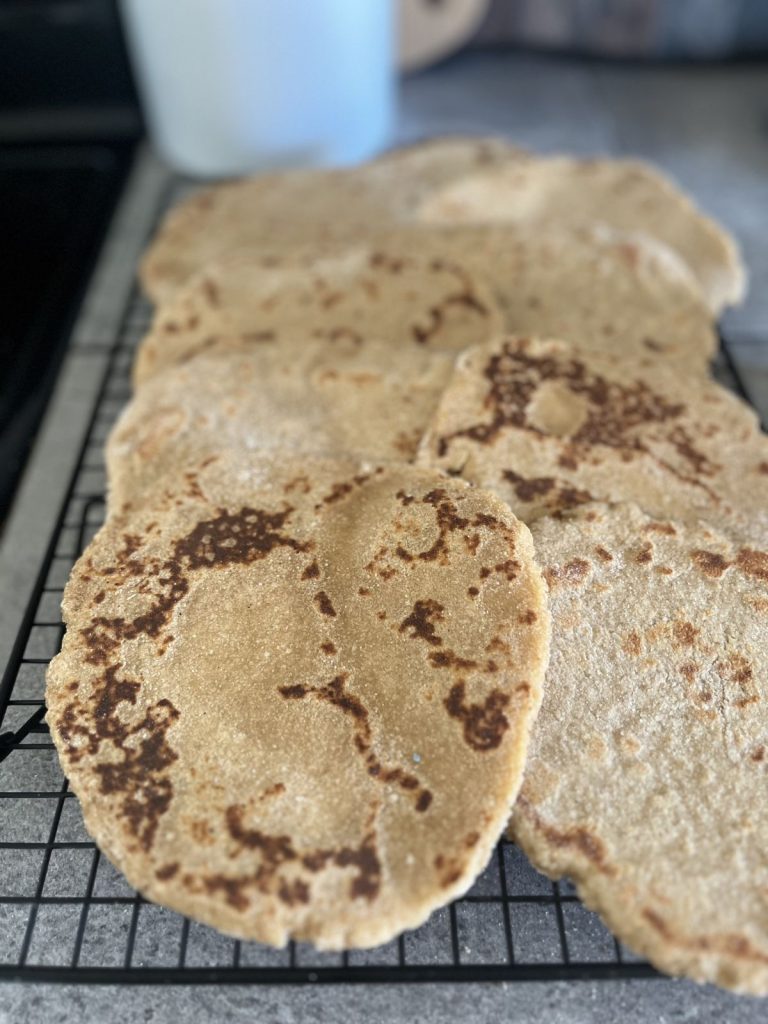
Homemaking, Homemaking Lifestyle

7 Productivity Tips for SAHM’s

May 7, 2025 · Leave a Comment

If you need some help being a productive stay at home mom, here are my best 7 productivity tips for SAHM’s!

Being a stay at home mom it’s a wonderful way to live! It can, however, be frustrating to figure out how to balance life. 

We all struggle with this, and I have spent a good bit of the last couple years, testing out implementing different tactics to improve my efficiency as a homemaker.

The productivity tips listed here below are my tried and true pieces of the puzzle that fit well in my homemaking journey. Each of us have unique households and homemaking journeys so everything that works for me may not work for you. It may not be a puzzle piece that fits perfectly in the puzzle of your life.

I have had seasons, also, wear some of these did not work well for me. It’s good for homemakers to try and understand a variety of methods of doing things so that when life changes, we have a tool kit, how much to draw tools from in order to bring our home back into order. 

Along with my 7 productivity tips, I have also answered a few frequently asked questions that new stay at home moms might find helpful. Things like…

  • What are stay at home moms supposed to do all day?
  • Is being a stay at home mom harder than working?

Whether you are a new stay at home mom or a little bit more of an experienced homemaker looking to improve her homemaking systems, let me share with you my 7 productivity tips that have helped me as a stay at home mom!

What are stay at home moms supposed to do all day?

There is no one answer to this question. Every day is different and every home life is different as well. There are, however, a certain tasks that every homemaker should do to keep decent order in the day. These daily tasks are…

  • Dishes
  • Laundry
  • Tidying up
  • Cooking

Training children could also be one if you have children because it is a huge responsibility that we have to do every single day as homemakers. I, however, prefer not to think about it as a task because child training is about cultivating a good relationship with a living being whereas dishes, laundry, etc. are things that just need to get done. They do not have souls so they are simply tasks that fill up our day around interacting with our children. 

To wrap it all up and tie it in a pretty bow, SAHM’s care for children while taking care of other household responsibilities and ourselves as needed. This is what we do all day. 

Related Posts: Daily HomemakingTasks or My Simple Daily Routine

Is being a SAHM harder than working?

It really depends on the job. For the most part, being a stay at home mom is more flexible and therefore is a lot easier, but there are some really hard things that stay at home mom’s have to deal with. Some days it would be easier to just go get a job, but everything is hard in its own way. 

I personally feel like it’s harder to have a job outside of the home than to be a full-time stay at home mom because the flexibility and rhythm of the day makes for a slower way of life. It’s a much more pleasant way to live despite the hard days of child training and such things. 

Productivity Tips for SAHM’s

Surrender the day

This is the day that the Lord has made. Each day we have is created by the Lord and it is his. Too often, I think being productive is about getting things done my way in my time. Ultimately, my struggle with not being productive is really about not being in control of how things get done. 

By the end of the day, the chores get done one way or another. It may not be exactly how we want that to get them done, but the point is that they are accomplished. This is what matters.

Each day that we are given is from the Lord. It is his and not ours to control. We can make plans, but ultimately, we must surrender each and every day to the Divine Creator because he knows what each day holds and what each day needs to be.

Learn to be a flexible homemaker with your routines, systems, and plans. When we begin each day in our home, we do not know the future of that day. There is no way for us to tell how things will play out. 

It’s still good to make plans and give ourselves some structure so that we have direction for our day, but we must surrender and be flexible with whatever the day ends up being.

Structure your day

There are different ways and productivity systems to plan out your days and different methods work better for different people. It’s not a bad idea to get familiar with different methods, to try them out, and choose what works best for you and your home.

“Let the housewife read, investigate, and be willing to try a new method until she proves that it is better or worse than her own.” ~ Lydia Ray Balderston, Housewifery 1921 p. 240

Some people like…

  • Time blocking
  • Smart goals
  • Eat the frog
  • To do list
  • And a lot of others!

I personally find that event blocking my day works best. This is similar to time blocking, except instead of being bound to certain times of the day you structure your day, using set event events like meal times for example. It’s super flexible and works every day for me no matter what each day holds. 

I go into a lot of detail about the method I use as well as my routines and systems in my e-book Systems and Routines: Simple Time Management for Homemakers. It’s all based on a daily routine that I got from a really old homemaking book from the 1800s. 

If you’re struggling with your days feeling really whacked and unproductive, find a flexible way to structure your day so that you have direction, but can still pivot and do whatever needs to be done in the moment. 

Plan every morning

I do very minimal weekly planning. Mostly I plan out my themed nights for my meal plan and maybe any doctors visits or appointments that will happen that week. Other than that, I prefer to plan out each day as they come living in the moment, surrendering and being flexible for whatever each day needs to be.

It’s hard to foresee what each day holds and what our family will need for that day until we wake up that morning and start living. This is why I like to plan every day as they come. My goal is to sit down with my planner every morning at some point either before or after breakfast and roughly plan out the day.

Get familiar with your daily tasks

For the most part, every homemaker has the same if not similar daily tasks that need to be accomplished. Things like…

  • Dishes
  • Laundry
  • Tidying up
  • Cooking

I also added to my list of daily tasks one thing that my husband really appreciates being done when he gets home. My husband does not mind so much if some things are not done or aren’t in perfect order when he gets home as long as the floor is swept. Every day I strive to get our main living areas and kitchen swept at least once a day.

If you don’t know what your husband would really appreciate, why not ask him tonight when he gets home and make it a priority to do something for him every single day?! I know he’ll appreciate it!

Once you have a basic understanding of the daily household responsibilities you have as a homemaker, the best way to improve them is to get familiar with them. Live out your days to the best of your ability prioritizing your children first and then the household tasks as you can. With each day that you live out, you will get an idea of what works for you and what doesn’t.

It’s been helpful for me to read other homemakers’ posts or watch homemaking vlogs about their daily routines and see what other homemakers are doing, but bearing in mind that what works for them won’t necessarily work for me. It’s good to get inspiration and tips from other people‘s homemaking journey, but I have to live out my own homemaking journey and figure out what works for me in my household.

Something else that has been super helpful in figuring out how to balance my household responsibilities is to think of the spinning plate theory. Spinning plates is a circus act where a person has a row of steaks on which a plate is set on each. The whole act revolves around keeping each of the plates spinning so they start all of the plate spinning and then as one slows down, they run to it and keep it spinning, and so they interact with the plates as needed to keep them all spinning throughout the act.

This is very much like home making. We get our household tasks spinning, and then we address them as needed to keep the plate spinning throughout the day until the tasks are accomplished. The goal is to get them all done each day but sometimes a task carries over into another day in which we simply just keep the plate, spinning day and day out and things get done as needed.

In some homemaking seasons, it’s a lot easier to accomplish all your daily tasks within the confines of that day, but some seasons consist of simply keeping the plate spinning, addressing each task at some point in the day so that each task gets some attention from you every day. 

This is how I’ve learned how to be productive in this season of home making with three children. 

Pace yourself

As homemakers, we have to learn to balance work and rest. We cannot serve our families and others to the best of our ability if we are not taking care of ourselves, too.  We must learn to pace ourselves throughout the day as we’re going about our tasks so that we don’t get burnt out. 

It is also helpful to have set moments throughout the day where we prioritize rest or times when we come apart to gather our thoughts so that we can be refreshed and more enjoyable to be around.

Prioritizing rest for me looks like this…

  • Getting up when my kids get up
  • Sharing my personal devotion time with them
  • Meditating throughout the day on scripture and drawing virtue from the Lord
  • Sitting down for the majority of nap time working on my blog as well as 30 minutes on something that brings me joy that I can do sitting down
  • Embracing each opportunity, we have to sit down and hold a child as a moment of rest and not of interruption to my day
  • Having my children do quiet time separately in their own rooms while I prepare meals

These things have helped me balance, work and play, rest and activity. They’ve helped me physically, emotionally, and spiritually. It is necessary as the primary caregivers of our home for us to balance the attention we give to our responsibilities and the attention we give to ourselves so that we can give of ourselves from a place of abundance and not an empty well. 

Putter

I’m not a big fan of to-do list. I get too selfish and want to control everything so that my to do list gets done that day. 

Spoiler alert! A homemaker to-do list is never done. There will always be more to do. 

Instead of sitting down to make a list of all the things I should get done that day and trying to stick them in my planner at the most appropriate times that I think I can accomplish them even though I have no idea of what the day will actually hold is not a very productive way to keep a home. 

I could see having a to-do list being a productive tool if you don’t have children or if your children go to school and they aren’t with you for most of the day.  However, when there are children in your home all day long, a to-do list can be very distracting for you as a homemaker.

A better way is to putter around taking care of things as you see them letting your home speak for itself as to what needs to be done right then. 

Sometimes I like to start at the back of my house and work room by room quickly addressing whatever I see needs to be put in order. This is a fun and more relaxing way than stressing over it and trying to accomplish a whole to do list.  

It’s easy to be flexible and to assess what’s more of a priority in the moment then when I sit down and make a list when I’m not actually looking at what needs to be done.

Perhaps it’s part of my personality, too. I find that I’m really good at making lists but terrible at doing anything with them. I much prefer to live in the moment and diligently keep plates spinning, making judgment calls as things come up.

Devote and redevote

Right along the same lines of surrendering your day, it’s a good habit to devote your day of work to the Lord and then as things get out of hand to take a few minutes to re-devote it back to him. Doing so allows him to redeem our days even when we have chaotic moments. 

Devoting your day and then choosing beforehand to re-devote it no matter how bad the day gets is a peaceful way of homemaking, and you can always count on the Lord being willing to redeem ourselves and our work back to him. 

Final Thoughts!

Being a productive housewife is a struggle for everyone and it’s good to know that no one struggles alone in this. Even when you have routines and systems in place, seasons of life, bring new opportunities to reassess the way our household runs.

There is no right way or wrong way to productively keep house. They’re simply the way that works for you and the season that you’re currently in.

I hope you found these productivity tips for stay at home. Mom’s helpful for your personal homemaking journey!

If you found this post helpful or were inspired in  any way, please share it with a friend or pin it to Pinterest. That way, other homemakers, who are struggling with this can find it and be helped or inspired too!

Pin it!

Homemaking, Homemaking Lifestyle

How to Sew a Blanket

Apr 14, 2025 · Leave a Comment

If you want to learn how to sew a blanket, here’s my DIY blanket tutorial!

I was passing through the sewing section in Walmart when an item in the remnant basket caught my eye. It was an undyed textured natural fiber with a loose weave. I had no idea what it was so I picked it up. 

The clearance tag said it was Monk Cloth and it was only $5.44 for the entire piece. 

After a quick google search, I realized this was the fabric used for afghans and it’s 100% cotton. Typically, it’s used as a base for a needlework project, but I loved the creamy color just the way it was. 

Needless to say, I bought it. I had no idea what the measurements were, and it had a run in it. Nothing I couldn’t tie off though. 

I eyeballed it to be about the size of a throw blanket. It was not a very warm fabric due to the loose weave, but it had a charming little bit of weight to it. 

This made it perfect for a spring or maybe even summer throw blanket. Who doesn’t want to cuddle under a slightly weighted blanket without starting to sweat?!

I didn’t know such things existed so I’m delighted to try it out this summer!

Here’s how I took this lovely bit of fabric and sewed it into a blanket!

What is the easiest blanket to make?

Definitely a throw blanket! All you need to do is cut and finish the edges and you are done. 

This makes it a perfect sewing project for beginners. There are no extra steps involved. 

How much fabric do you need for a blanket?

2 yards of fabric will give you a nice throw blanket with a little room to spare. However, if you are wanting a large blanket, get 3 yards for some extra wiggle room. 

If you want a backing to your blanket, get double the amount. 

What’s the size of a typical throw blanket?

The standard size of a throw blanket is 50”x60”. If you want a large throw blanket, increase both measurements by 10”. This gives you a blanket that is 60”x70”. 

What size blanket will 2 yards make?

This will give you roughly enough fabric for a standard size throw blanket if it’s one sided. If you are making double-sided blanket, this is enough fabric for a baby blanket or a crib blanket.

What is a handmade blanket called?

This depends on how it is made. If all that is done to the fabric is the edges being finished, then it is a throw blanket. If it is made out of little pieces pieced together, it’s called a quilt. If it is crocheted or knitted, then it’s called an afgan. 

What is the warmest material to make a blanket out of?

Wool or fleece is your best option if you are wanting a super warm blanket. A quilt will also be pretty warm since it will have layers of fabric with batting in between. 

It really depends on the type of fabric and the layers involved. That is what makes a warm blanket.

How to hand sew a blanket

To hand sew a blanket, you simply need to know how to stitch an invisible rolled hem. Depending on the weave of your fabric and if you want the stitch to be visible, you could also use a blanket stitch.

Is one yard enough for a blanket?

This is enough fabric for a baby blanket. You want at least 2 yards for an adult sized blanket.  

How wide to make a throw blanket

Usually, a throw blanket is about 50” wide. 

Take into account the size of the bolt of fabric that you are considering before making the purchase especially if you are purchasing online. I failed to take this into account once and ended up buying twice the amount that I needed. 

How to Make a Blanket

Determine the size you want. The typical size of a throw blanket is 50”x60”. The fabric I am using here is a remnant I snatched from the clearance section at Walmart. I planned to use the entire thing for a blanket so I have not measured it. 

Measure and cut to desired size. Lay out your fabric flat and smooth out any creases. Measure out a rectangle that is 50″ x 60″.

I also trimmed some tangled threads off the edges to make it easier to sew. 

Hem. Simply finish the edges with a rolled hem or double fold and you are good to go! Typically, I fold the fabric ¼” and then another ¼” on top of itself for a small hem. This fabric however has a very loose weave so I gave myself a ¾” seam allowance to make sure all the loose ends were encased inside. 

I also like set me needle to the farthest left setting to make sure the edge doesn’t slip out.

Trim off extra threads and enjoy! Drape your blanket over your favorite chair or stash it in a basket to snuggle under later. 

Just like that, you’ve made yourself a blanket!

Handmade, Homemaking

How to Sew a Tablecloth

Apr 3, 2025 · Leave a Comment

Want to sew a tablecloth? Here’s a simple tablecloth tutorial that won’t take much time!

Tablecloths dress up a table setting and take it to the next level.

As a homemaker, one of the skills I am learning is interior design. Although I would love to do all kinds of renovations and hardcore makeovers in our kitchen, this is not the season nor the time to be spending that much. We don’t necessarily have the skill sets necessary for such an undertaking either. 

I refuse to sit idle though so armed with what I do have and what I do know how to do, I have set out to makeover my entire house starting with the dining room. 

Armed with my sewing machine and basic knowledge of sewing, I have set out to makeover our dining room and give it a new look with some tablecloths. 

Want to join me in this adventure? Grab your machine and let’s get sewing!

How much fabric do you need for a tablecloth?

This really depends on the size and shape of your table. Other factors you have to consider is how much you want it to hangover and if you are going to add a trimmings like a ruffle to it. 

I measured the length and width of my table and then added how much overhang I wanted plus a little bit for seam allowance. 

When measuring the overhang, don’t forget to double it so that you have an overhang on both sides. 

See the tutorial for more detailed instructions. 

Is it easy to sew a tablecloth?

Yes! Of course, you could go all out and add all kinds of trimmings, but to make a simple tablecloth all you need to know is how to hem the edges. 

You’re basically just cutting the fabric to the size you need and then finishing the edges so it doesn’t fray in the wash. Easy peasy, just like cloth napkins!

What is the best fabric to make a tablecloth with?

Natural fibers are the best so 100% cotton or linen or a combination of both. 

While I would love to do linen or even organic cotton, that can get expensive so for this season of life, I just buy some pretty cotton fabric from Hobby Lobby and call it good. 

There are a lot of other types of fabric, but I prefer to work with cotton because it’s stiffer so it won’t slip around or stretch while you are trying to sew. 

Design tip: Choose a fabric that matches or coordinates with your curtains and it will tie in your decor all together. 

What is the best hem for a tablecloth?

My go to is the simple double fold or as some refer to it, the rolled hem. You just fold it over once and then over itself again so that the exposed edge is tucked inside. 

You can iron it, pin it, or if you are lazy like me, you can just fold it as you go. 

The nice thing about working with cotton is that it creases real easily so you could crease the fold between your fingers if that would help you too without having to break out the iron. 

What is the proper overhang for a tablecloth?

The overhang could be anywhere from 6 inches to floor length. I used a 7 inch overhang for this tablecloth. 

If you are unsure of how much overhang you want, drape your fabric over the edge of your table and adjust it to where you want it before measuring and cutting. 

I do want to note that I bought the fabric I’m using online. The bolts of fabric in store are barely wide enough to cover my dining table leaving no room for an overhang. 

I suggest you buy the fabric online or add a large ruffle for the overhang if you buy your fabric in-store.

Is it old-fashioned to use a tablecloth?

Yes and no. Tablecloths have always been an elegant way to dress up a table setting. Cloth tablecloths are not used quite as much for the everyday anymore. 

Most people just buy disposable ones for parties. Also, a lot of the more modern decor styles make use of bare tables with maybe a table runner. 

I love the simple elegance of using real tablecloths everyday even though I have little children. Yes, they are going to stain it, but it does protect the table and make clean up a bit easier. 

So, no. It’s not old fashioned to use tablecloths because tablecloths have always been used in at least formal settings throughout the years if not casual ones as well. It depends on the trends. 

But it’s yes at the same time, because using tablecloths for everyday casual meals is probably more old fashioned but in a good way. I think we need more simple elegance in our everyday lives!

What you’ll need…

  • Sewing Machine
  • Fabric
  • Bobbin with coordinating thread
  • Scissors
  • Tape Measure

How to make a simple table cloth

Preliminary tasks. It’s good practice to pre-wash your fabric so it doesn’t shrink or bleed off the color. Because I work with 100% cotton, I rarely deal with it shrinking so I often skip this step. 

I will wash my finished project by itself for the first time if it is a red fabric. Reds are the only colored fabric I have trouble with bleeding or the dye seeping out. 

If you are using a natural fiber and it’s not a red fabric, it probably doesn’t need any special care before you jump into this simple sewing project.

If you do choose to pre-wash your fabric, you may want to iron the wrinkles out so that it will be easier to cut.  

Take measurements. Measure the width and length of the intended table. Here’s a graphic of my tablecloth measurements.

Drape your fabric over your table. Take a step back to eye how much you want the tablecloth to overhang and adjust the edge of the fabric to your preferred length.

Once you have it where you want it, use a tape measure to measure from the edge of the table to the edge of the fabric. 

Add ½” to it for the hem. Double this measurement and add it to both the width and length of the table measurements. This ensures that you will have enough fabric for an overhang all the way around. 

Cut it to size. Lay out your fabric, measure and mark the correct amount before cutting the fabric.  You can trace lines with a straight edge and some tailor’s chalk or a pencil to help you cut straight lines. 

OR If you’re blessed to have tile flooring, you can use the grout as straight edges and skip the tracing all together, lol. I just mark the edges where the measurements fall, line them up along the grout, and cut following the grout line from one mark to the next. It doesn’t have to be absolutely perfectly straight. This sewing project is very forgiving. 

Hem. Finish the edges to keep them from fraying over time with a simple hem. 

Fold the edge of the fabric over ¼” and then over itself again another ¼” to encase the raw edge. 

Set the needle position to the far left. This ensures that the raw edge won’t slip out from under the needle. 

Use the straight stitch to sew down all four edges. Don’t forget to backstitch at the beginning and end so that all your hard work stays intact!

Don’t forget to trim the extra threads off!

Style it! Now that the tablecloth is finished, toss it over your table and stype it to your heart’s content! I love how a little fabric and a simple sewing project like this can add a touch of elegance to a home!

Save for later!

Handmade

A Simple Guide to Cooking From Scratch 

Mar 19, 2025 · Leave a Comment

Want to start making home cooked meals just like your grandma used to? Here’s how you can learn the art of cooking from scratch!

Cooking from scratch is the old fashioned homemaking skill that has made the most impact in my homemaking journey. Why? Because we have to eat three times a day anyways so why not make cheaper healthier meals that are hubby approved and kid friendly?!

There’s nothing like the waft of a home cooked meal or cookies baking in the oven to make your mouth water. Plus, if you make it yourself from scratch, you have control over what’s in it and you’ll feel a whole lot better after eating it. 

At some point, we moms become concerned about our health or the health of the family. We start having health issues, we get tired of dieting without losing weight or feeling better, we get tired of the kids getting sick all the time, etc. There’s a host of reasons why we start down the road to better health.

The lifestyle switch towards cooking our food from scratch has made the biggest impact on our health. Making your own food with well sourced ingredients can actually stabilize your weight, blood sugar, sleep, and a whole lot of other minor health issues you might be having. It’s a win win that you can’t afford to miss out on. 

So if you’re ready to explore more about the sold fashioned homemaking skill, grab your apron and let’s get cooking!

What does cooking from scratch mean?

There are varying opinions about what cooking from scratch is. Some say as long as you throw it in a pan and cook it yourself, that counts. Some would count using mostly raw ingredients while still utilizing store bought goods like canned soup mix or a seasoning packet. 

I’ve come to the conclusion that cooking from scratch is a spectrum. It’s a journey to start, to explore, and to improve on. 

What I refer to as cooking from scratch in this post still may not even be exactly where I am at in my own homemaking journey, but it is the end goal that I’m striving for. 

So here’s my definition. 

Cooking from scratch is cooking food with well sourced raw or traditionally prepared ingredients without a recipe. 

Here’s what I mean by this…

  • Cooking food – If you are actually cooking raw ingredients and not just reheating a pre-made meal, then that is cooking from scratch
  • Well-sourced – To take full advantage of the health benefits and healing qualities of food, the ingredients have to be high quality. You can totally improve your health by simply cooking food from raw ingredients, but if you want to get the most out of it, then you’ll want to go all in eventually. 
  • Cooking with raw or traditionally prepared whole food ingredients – Raw whole foods would be things like meat and veggies and traditionally prepared foods are things like sourdough, fermented vegetables, home canned goods, etc.
  • Cooking without a recipe – you can follow other peoples recipes and still be cooking from scratch, but there’s something extremely useful about knowing how ingredients work together, how to season to taste, and how to turn out your pantry shelves and make it into a meal. 

So much of our modern day eating is buying prepackaged, pre-made food with lots of unhealthy additives and preservatives because it’s convenient and easy.

You don’t have to think about preparing food or taking extra time in the kitchen, but with choosing convenience often comes the sacrifice of goodness and beauty. In many ways, choosing convenience foods is an easier lifestyle, but we sacrifice health or well-being, and the deep well of knowledge that was passed down from generation to generation.

Is it really cheaper to cook from scratch?

Yes, it can be cheaper to cook from scratch. Buying pre-made frozen foods and going out to eat often is definitely more expensive than making your own food at home with raw traditionally prepared ingredients. There will always be poorly made foods that are cheaper than what you can make, but you can still make really good food and save money. 

If you are trying to improve your health and well-being, you will definitely save money by not buying the healthy pre-made foods. Cooking from scratch is one of the best ways to save money on the food budget and still eat healthy.

What foods can I make from scratch?

There is no end to what you can cook from scratch. Some say that you can have whatever you want as long as you make it yourself. I’m not sure there is anything that cannot be made from scratch. 

Google has definitely been my friend on my scratch cooking journey. I get carried away looking up if this or that that can be made from scratch, lol. 

As long as you’re willing to be patient as you learn to cook, the sky’s the limit as to what foods you can make from scratch. 

Some of our family favorites to make from scratch are…

  • Tacos with sourdough tortillas
  • Sourdough Pizza
  • Breakfast burritos
  • Simple soups
  • Desserts, especially chocolate chip cookies

What is the easiest food to make from scratch?

I would have to say eggs. They take hardly anytime to cook up and you can’t really mess them up unless you hate scrambled eggs. 

Honestly though, if you learn the basic cooking techniques and use instant pots, a lot of foods can be made from scratch with ease even if you are a beginner cook. 

Actually cook!

Perhaps this is a given, but cooking from scratch means actually cooking food. Reheating something that was pre-made is not cooking from scratch. It’s using the skills of making your own sausage, browning, meat, frying eggs, bread baking and making all your favorite foods from raw or traditionally prepared ingredients. 

Remember though that cooking from scratch is a journey! Give yourself grace as you start no matter where you are coming from and where you end up.

Source your ingredients

I’ve been cooking from scratch for awhile now, but it has taken me awhile to get here to the place where I’m ready to use good quality ingredients. 

I want to feel better and still be able to eat all the foods. I was tired of my energy crashing, struggling to sleep, and dealing with food sensitivities. 

I’m a homemaker! I’ve got things to do and children to love and care for. I don’t have time to feel like trash because I’m eating trash. 

I used to think the food label organic was just a marketing ploy or that it was for rich people because they could afford to just throw money at food. 

Oh boy! Have I learned differently!

Well sourced quality ingredients make a world of difference when you want to make even the simplest of meals taste even better. 

If you aren’t eating clean food (as in unmodified, pesticide free, no additives); then even whole foods will not be as easy to digest and can actually cause health issues. 

If you want to feel healthy, eat healthy! I cooked from scratch for years before I started thinking about the quality of my food. I felt terrible until I decided enough was enough. Mommy has to feel better if she is going to take care of everyone else. 

Another selling point was that many things my husband didn’t like, he actually does if it’s made with good quality ingredients. For years, my husband disliked any dish I made with potatoes. Then I started using organic potatoes. His mind was blown. I hadn’t changed anything except the quality of the food. 

We still eat pretty simple, but switching to good quality food has been a game changer in my from scratch cooking journey. 

Use raw or traditionally prepared ingredients

There are probably very few of us that cook completely with only raw traditionally prepared ingredients, but that is what we are probably all striving for when we say that we cook from scratch.

So what are raw ingredients? 

They are whole foods that have not been prepared or cooked, things like…

  • Vegetables
  • Meat
  • Whole Grains
  • Fruit
  • Sweeteners
  • Dairy

The things that make up food without all the extra preservatives and additives. 

What are traditionally prepared ingredients?

This would be things like…

  • Home canned goods – canned corn, tomatoes, or soup
  • Frozen ingredients – Frozen Berries, frozen veggies, frozen meat, etc.
  • Fermented foods – sourdough, sauerkraut, yogurt, and other things preserved with a brine or culture
  • Dried goods – dehydrated fruit, meat (beef, jerky), or herbs
  • Soaking and sprouting – grains and legumes

Traditional methods at first glance may seem like too much work, but in reality once you get the hang of how to do one or two methods, they can make your life as a home cook so much easier. 

It’s all about being proactive!

These methods help you work ahead so that when it comes time to make a meal half of the work is done for you. Having food mostly prepared is also very convenient and can help you skip fast food because you already have ingredients prepared to throw a quick but delicious meal together. 

Cook without a recipe

You can definitely utilize other peoples recipes as you learn the art of cooking from scratch, but there’s something to be said about having a working knowledge of how food comes together to make a meal or a dish.

What would happen if we no longer had access to the Internet for recipes? You would probably go to the store and get a cookbook, but what if there was a shortage of cook books because there was no longer internet?

You could order one online, but it takes at least a day, if not longer to get it delivered. Would you know how to look at ingredients and instantly know how to bring them together or prepare them to make at least an edible meal if not a delicious one?

OK, that’s a little extreme, but do you ever find yourself in a situation where you don’t feel like going to the grocery store but you don’t really have much to make except a few odds and ends of things? 

This is where that knowledge of knowing how to bring food together comes in really handy. 

Not to mention, cooking from scratch can simplify meal planning. If you know how to prepare ingredients, then you’ll hardly need recipes. Once you have learned enough about cooking that you don’t have to follow recipes, meal planning can be as easy as jotting down what you want to eat in your planner. 

No more hunting around for what to make. You’ll know what your family likes, what you can afford, and what you can make in a jiffy when you run out of time. 

Final Thoughts!

Cooking from scratch is a lost art and skill that would make our lives as homemakers so much better! Once you get past the learning curve, it simplifies life by making it easier to prepare healthy meals your family will actually want to eat. 

Although cooking from scratch meals could take a lot of time to make, you get to choose how much time you want to spend in the kitchen cooking. It can take all day or just 30 minutes to an hour to put together a quick healthy and delicious meal!

You could even do it in 15 minutes depending on what you’re making and if you have some ingredients already prepped.

If you’ve been thinking about learning how to cook from scratch, let this be the encouragement you need to make it a reality. Cooking from scratch will save you money, it will be healthier, and your family will thank you because there is nothing like a home cooked meal!

Homemaking

11 Habits of a Highly Effective Homemaker

Mar 4, 2025 · Leave a Comment

Habits are the building blocks of who we will become. What kind of a homemaker do you want to be?

Every child has been asked the question what do you want to be when you grow up. While we are no longer children and responsibilities often way heavy on our shoulders and hearts, the question still applies to us as homemakers. 

What kind of a homemaker do you want to be when you are a grandma?

Ok, that’s a long ways away for most of us, but seriously, what kind of a homemaker do you want to be? A productive one? A happy one? A skilled one?

The habits we cultivate whether good or bad are the making of us. 

I think most of us want to be effective homemakers, ones that get all the chores done day in and day out, but ones that also create a good and beautiful home where we and our loved ones flourish. In the words of Sally Clarkson, “a life-giving home”!

We long to be homemakers that effectively cultivate something practical but lovely. Something good. Something virtuous. 

Habits are the building blocks for this dream. As we live out our days getting our hands dirty in the thick of homemaking yet mindful to intentionally cultivate good habits, we slowly start to see our dream of becoming a highly effective homemaker unfold before us. 

It doesn’t happen in a day and it’s often very hard work, but cultivating habits are what will make this dream come true. 

We all have days where we are less than effective so I don’t want to sound like I have everything figured out and can give you the magic formula for being an effective homemaker. 

I’m still a young homemaker and have so much more to learn, but here are 11 habits that make up my most successful and effective days as a homemaker. 

Unload the dishwasher around breakfast time

Making a habit of putting away the clean dishes around breakfast time is a great way to get a headstart on your days work. The absolute best time to do this is before breakfast, but I give myself the flexibility to at least do it somewhere around breakfast time either before, while I’m making breakfast, or afterwards. Homemakers can’t account for everything so we have to be flexible. 

On my most productive days I’ve also gone ahead and loaded the breakfast dishes in after breakfast as well, but at least getting the dry clean dishes put away at the beginning of the day is a really good start. 

Start one load of laundry everyday

Whether you get to fold and put away that same day or not, at least getting a load, started, this keeps the ball rolling. At some point, it will get moved over to the dryer because you’ll need to wash another load and then it’ll eventually get folded and put away because then you’ll need a laundry basket at some point.

As long as you make the habit of at least starting one load every day, this will keep things moving and things will eventually get done. 

It’s definitely hard to get a load started if I have to head out of the house during the morning time or if it’s Sunday and I need to head to church so I don’t always get a load started every single day. However, I feel the most productive when I do even on Sundays. 

Reflect and devote your heart and home

Whether you get some time in the morning or during nap time, or in the evening after the kids, go to bed, taking a few moments to stop and reflect on God and his word will inspire and motivate you to create a more sacred home. my most productive days are ones that I at some point spent some time in the Bible reading, reflecting on what I read, and devoting my heart and home to him. 

This really affects my overall spirit throughout the day as a homemaker. Carving out some time really helps me be more calm and gentle, kind and compassionate, and all the things that a mother needs to be in order to mother her children and make a good and beautiful home where her family can flourish.

Meditate on scripture

Let’s be honest. There are some days where we just don’t get to sit down and spend some time in God’s word. Another necessary virtuous habit that I am learning to cultivate is to take a scripture along with me during the day to think about, and to draw strength from in those tense and very frustrating, moments of motherhood. 

This is a very old habit that Christians have been doing since forever. It is highly effective in helping anyone, not just homemakers live out their days with Christ-likeness. 

I especially love memorizing verses about God being my strength and refuge, because these are two things that I almost always need on any given day. 

Although I truly enjoy getting to sit down for some reflection and devotion time, some days I only have time for a verse or two or I simply get distracted, and it never happens. Having a verse that I have already memorized to think on while I’m doing dishes or folding laundry helps me have the spiritual strength I need for that day. 

Putter

This is the best daily cleaning and organizing habit! 

Puttering essentially means to go around doing things without necessarily having a specific plan in mind. You just see what needs to be done and you start doing it.

I finally got tired of trying to make a weekly cleaning schedule work. I am a mom of three children so my life has to be super flexible. It was so stressful, trying to keep up with a set plan and things were not getting done like they should. 

When I first came across the old-fashioned idea of puttering I thought it was a nice idea, but it didn’t appear to be very productive. Just going around doing things seems like the harder way to get things accomplished. 

You’ve probably heard the adage, “The failure to plan is a plan to fail.” I thought I would have to be seriously undisciplined, and just throw all planning and everything out the window if I was going to putter. 

But the truth is puttering is just a super flexible plan. The plan is to get things tidied up and in order and puttering it’s just how you get it accomplished. 

Instead of sitting down to make a list of all the things that need to get done, let the house speak for itself. I love making lists, but I’m really bad about carrying them out. 

Learning to putter to simply walk into a room and see what needs to be done and start doing it, this is how I have learned to keep house productively  without a to do list.

Want to know more? Check out my systems and routines e-book!

Plan your day out every morning

The idea of planning out your week has always intrigued me, but it has never been a successful homemaking habit. It simply does not work for me, but when I searched around on the Internet and on other homemaking blogs, trying to figure out time management, all that I saw was taking some time once a week to plan out your week, including a weekly meal plan. 

Now, don’t get me wrong. I love to plan almost to a fault. I just really really struggle with sticking to my plan. 

I thought I was just undisciplined and needed to  work on it but I never could make weekly planning work for me. 

When I came across an old homemaking book with this idea of planning out my day the day of, I was sold! Weekly planning? No can-do. Daily planning? Now that’s feasible!

Basically, at some point in the morning before I get started on chores, I pull out my planner, take a few minutes to think about what needs to happen that day and make a rough plan for it.

On the days that I’m home (which is most days), I mostly just make a rough meal plan for that day and then putter around getting things done. When I do need to get out of the house for whatever reason, it is helpful to have a more definitive plan of what needs to happen when to make sure that we get out the door on time. 

My homemaking systems and habits that I have cultivated honestly hold every thing else that I possibly need to do as a homemaker and you can read more about that here!

Reset the house before you leave

Getting out the door with kids can be a real struggle, but coming back worn out from running errands to a house that is messy is simply depressing!

A really productive habit to cultivate is taking a few minutes to reset at least the first couple of rooms that will see you when we walk into the house. Primarily, this is the kitchen, dining room, and living room area for me. 

The goal here is not to get everything in perfect order but to at least get the toys put away, Throw pillows back in their spots (they are called throw pillows for a reason, lol), and carry any dirty dishes towards the sink. 

It makes the home feel just a little more fresh and calm. 

Don’t carry your phone around

Let’s face it. Phones are distracting. It’s not necessarily social media, or YouTube that are distracting us from life and homemaking. It’s the fact that we can carry these super addicting distractions around with us wherever we go. 

It takes very little effort to whip your phone out of your pocket and look something up or sit on the couch and scroll. 

Social media, YouTube, and other apps can be really helpful tools to help you cultivate a good and beautiful life where you and yours flourish. They, however, can be really addicting and huge distractions from the life going on around us. 

It’s rarely a beautiful moment when I pull out my phone when the kids are around. They just know that my attention is no longer on them and they dislike it very much. 

It’s easier for the kids to think they can get away with stuff when I’m not aware of what they’re doing because I’m on my phone. It is also extremely easy to be frustrated when my kids try to get my attention because they need my help but I’m distracted with whatever I’m doing on my phone. 

I like doing things on my phone. I like the addictive distractions it creates and they are not in errantly bad. They can be useful tools when done at the right time and with limitations. 

It’s just so hard to not want the distraction when it is so readily available because I keep my phone with me all the time. 

Here’s how I am balancing having a phone around while still being productive…

  • Turning off notifications, except for the text messages of a select few Friends or family
  • Purposing not to use my phone when it’s time to be doing something else
  • Giving myself a set time to use my phone
  • Leaving my phone on the kitchen counter

Even though I have never been super addicted to social media, there are a lot of other distractions that phones create too like looking some thing up real quick or watching a YouTube video. 

If we aren’t purposeful about our phone usage as homemakers, it will be very hard to have successful days. 

Reset the kitchen every night

I try to clean up the kitchen every meal, but some days it doesn’t happen. That’s okay though because I have built in my homemaking system a failsafe by resetting the kitchen every night. This ensures that we will have clean dishes to use the next day. 

While I am striving to do dishes after every meal so that it doesn’t all pile up after dinner, life happens and this doesn’t get done. At the end of the day, however, the dishes are washed and we have clean dishes the next day. That’s what is important. 

The habit of resetting the kitchen is more than just doing the dishes. It also includes…

  • clearing off and wiping down the table
  • sweeping the kitchen and dinning room area
  • organizing and wiping down the countertops. 

The kitchen is my primary workspace as a homemaker so to be effective and not overwhelmed, I try to get my space in order at least by the end of each day. 

Pivot as needed

This sounds like it belongs more in a list of homemaking tips, but it’s something that I really had to work on. It’s a habit that I had to cultivate. 

We can try our best to plan and coerce our days in a certain direction, but the reality is that we have to be flexible. Children need to be held and helped. Unforseen messes cleaned up. 

Often, a moment of quiet is necessary to redirect our spirit away from frustration back into a place of serenity. 

Homemakers have to learn to pivot or change direction smoothly despite what they want to accomplish with their time. The truth is that it isn’t our time. We are mere stewards of the gift of life that has been granted to us. 

To consistently sacrifice our desires is hard though. It’s down right maddening at times, but we must cultivate the habit of pivoting as necessary. Things will all work out. 

Eventually, the laundry gets done, everyone eats, the dishes get washed, and we all go to asleep. Day after day, the cycle begins and ends. The necessary things of life are accomplished perhaps not as we want to do them, but nonetheless accomplished. 

We have to learn to accept this and pivot as our duty demands. 

Keep Sabbatical moments

Especially in the years of motherhood, homemakers are on call 24/7 and it is hard to find time for ourselves. It is even more necessary that we find rest in these seasons. 

Ideally, we would have a day of rest or a sabbath as the timeless principle is called, but this is nearly impossible. Even on days that we try to call our sabbaths, we are still required to cook and clean and care for our household. 

Finding a whole day of rest has been nearly impossible for me, but I have found it effective to keep sabbatical moments. 

There are little pockets of time in our days that are more quiet like nap times or after the kids go to bed. We must guard these times for the welfare of our souls. 

These are glorious moments of quiet and peace that restore our spirit and rejuvenate us to continue homemaking when our duties call. I can’t predict which naptimes the kids will choose to sleep the entire time, but in most weeks, there is always a few long moments of rest somewhere in that time frame. 

Also, my husband so sweetly allows me to get out of the house and go off somewhere other than home during naptimes on his day off.  Ideally, I go to the library, but sometimes it’s closed so I might go on some solo adventure and…

  • Wander around an antique store
  • Go grocery shopping all by myself
  • Check out a new shop
  • Drive to a park and just sit in the car, lol

In this busy season of mothering little ones, getting alone time is becoming absolutely necessary for my sanity. 

To be an effective homemaker day and day out, it is necessary to cultivate the habit of keeping moments of rest. 

Final Thoughts!

I hope you enjoyed perusing my list of habits! I’m not saying I’m perfect or have everything figured out, but these are the core things that help me in my role as a homemaker. 

My most productive and fulfilling seasons are when these 11 habits happen.

Keep in mind though that I didn’t develop these over night. The productive season that I get to enjoy right now is the fruit of many seasons working hard to cultivate these habits.

If you are in a rough season where it’s hard to be a productive homemaker, take life for where you are at. Work on what you can and give yourself lots of grace.

Slow and steady wins the race.

Were you inspired or helped by this post in any way? Share it so other homemakers can be helped and inspired, too!

PIN IT!

Homemaking, Homemaking Lifestyle

  • Go to page 1
  • Go to page 2
  • Go to page 3
  • Interim pages omitted …
  • Go to page 7
  • Go to Next Page »

Primary Sidebar

New Posts

Sourdough Bread for Beginners

Sourdough bread can feel intimidating when you’re first starting out. There’s of different terminology, long timelines, and a lot of advice that makes it sound more complicated than it needs to be. This sourdough bread for beginners recipe is a clear cut sourdough guide. You don’t need perfection, special tools, or years of experience to bake good…

Read On →

Homemade Peanut Butter Recipe (Easy, No Sugar, One Ingredient)

Making your own peanut butter at home is one of the easiest ways to make a pantry staple, save money, and avoid unnecessary ingredients. This homemade peanut butter recipe uses just one ingredient and comes together in minutes using a food processor. If you’re looking for a simple peanut butter recipe with no sugar or additives, this is…

Read On →

7 Beginner-Friendly Sourdough Recipes

Sourdough is more than just a type of bread—it’s a culinary adventure, a taste of old fashioned tradition, and a delicious way to incorporate natural fermentation into everyday from scratch cooking. While sourdough can feel intimidating at first, there are plenty of beginner-friendly sourdough recipes that let you enjoy its flavor, texture, and health benefits…

Read On →

Cinnamon Raisin Scones Recipe (Easy, Homemade, and Naturally Sweetened)

Cinnamon raisin scones are a simple, comforting baked good that is very similar to a biscuit dough. This cinnamon raisin scones recipe is lightly sweetened with honey, made with pantry staples, and comes together quickly without yeast or complicated techniques. If you’re looking for an easy homemade scone recipe that works just as well for…

Read On →

Sourdough Discard Pizza Dough 

If you are wondering just how good this sourdough discard pizza dough is, this is the only sourdough pizza dough I have made where my husband instantly said “Woah! This is good!” when he bit into it. Usually, I have to ask him for his opinion, but not this time. Not only is the sourdough…

Read On →

Easy Sourdough Pumpkin Bread

Slightly sweet and tangy, this easy sourdough pumpkin bread recipe makes for a great brunch. It’s not overly sweet and the sourdough flavor does not take over. Full of spice and fermented goodness, this sourdough pumpkin bread is must have from scratch recipe for the fall! Fall baking is one of my favorite things! You…

Read On →

Simple Sourdough Discard Pancakes

Need to use up a lot of sourdough discard? Here’s how you can make sourdough discard pancakes! These sourdough discard pancakes are quick and simple! You simply weigh out your discard, add a few ingredients like eggs, salt, baking powder, oil, and honey and you’ve got a quick pancake batter. I love to use this…

Read On →

Simple Sourdough Sandwich Bread

Ready to give sourdough sandwich bread a go? Here’s the easiest way to make sourdough sandwich bread! Making sourdough bread can be difficult. I’m here to simplify the process and make it attainable and sustainable for you. If you are new to sourdough, I recommend making a sourdough sandwich bread as your first recipe. Why?…

Read On →

  • About
  • Homemaking
  • Healthy Living
  • Free Resource Library
  • Home

Copyright © 2026 The Virtuous Home on the Seasoned Pro Theme