• Skip to primary navigation
  • Skip to main content
  • Skip to primary sidebar
The Virtuous Home logo
  • About
    • About
    • Privacy Policy and Disclosure
    • Contact
  • Homemaking
    • Homemaking Lifestyle
    • Handmade
  • Sourdough
  • Fresh Milled Flour
  • Recipes
  • Resources
    • The Homemaker’s Library
    • Shop
    • Amazon Favorites
    • Free Resource Library
    • Healthy Living
      • Pro Metabolic
  • Home

Posts

Fresh Milled Sourdough Cinnamon Sugar Pretzel Bites

Feb 26, 2026 · Leave a Comment

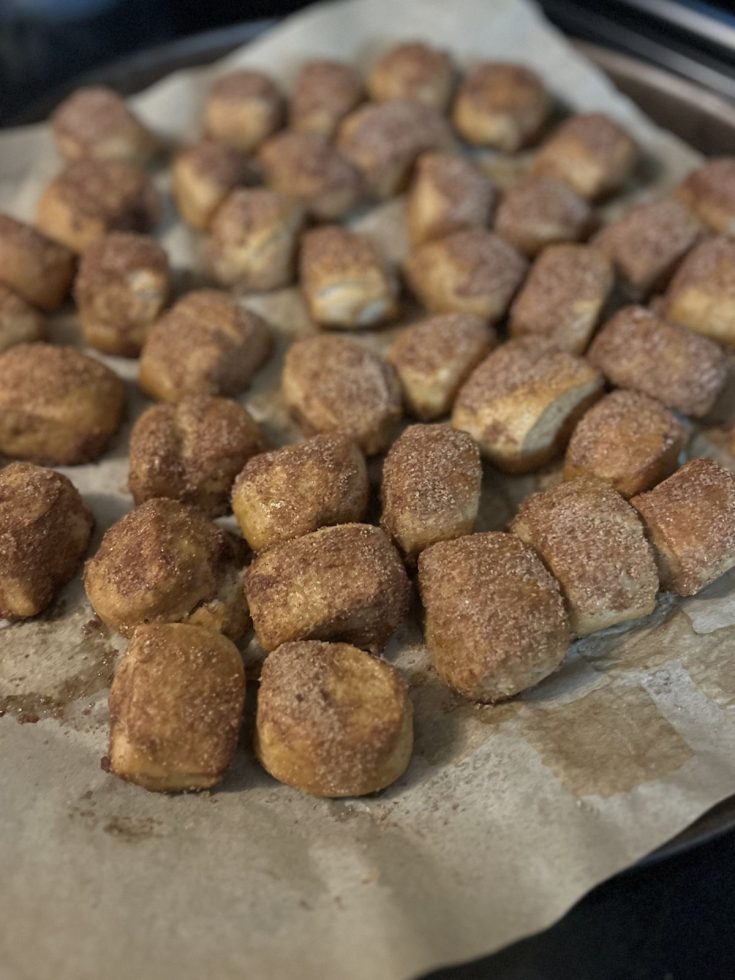
If you love the cozy flavor of cinnamon sugar and the soft, chewy texture of homemade pretzels, these fresh milled sourdough cinnamon sugar pretzel bites are the perfect treat. They are lightly crisp on the outside, tender on the inside, and coated in a sweet spiced topping that makes them irresistible.

These bite-sized treats are perfect for afternoon snacks, holiday gatherings, or a special baking day with your children. They come together beautifully and fill your kitchen with the warm scent of cinnamon and freshly baked bread. Once you make them from scratch with fresh milled flour, you may never want store-bought again.

Fresh Milled Sourdough Cinnamon Sugar Pretzel Bites
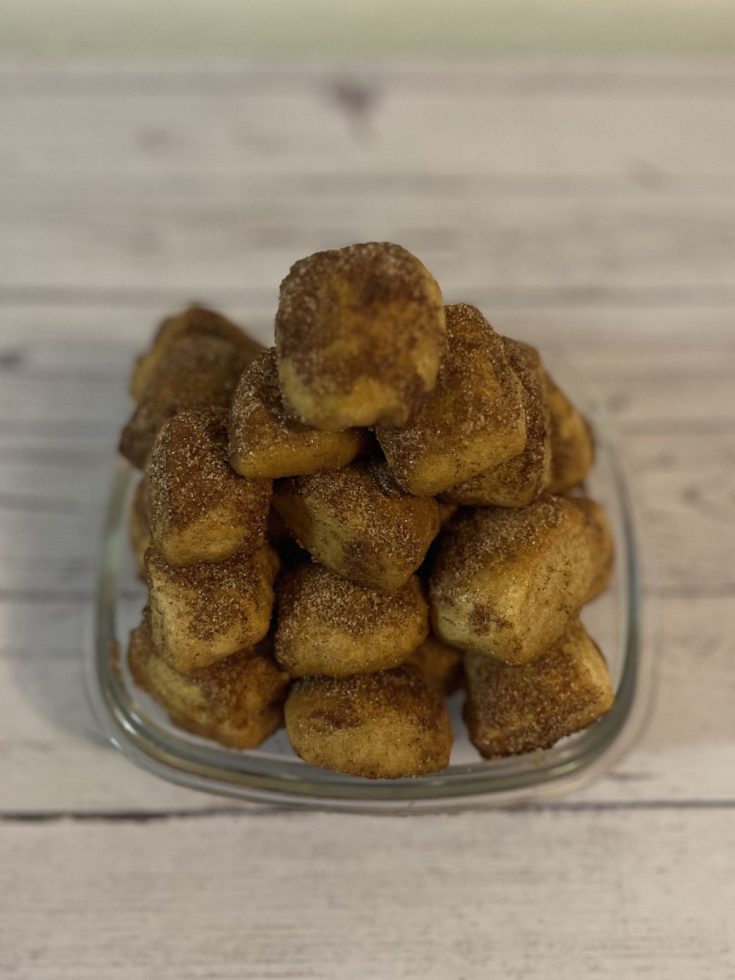
Fresh Milled Sourdough Cinnamon Sugar Pretzel Bites

If you love the cozy flavor of cinnamon sugar and the soft, chewy texture of homemade pretzels, these fresh milled sourdough cinnamon sugar pretzel bites are the perfect treat.

Prep Time 8 hours
Cook Time 12 minutes
Additional Time 10 minutes
Total Time 8 hours 22 minutes

Ingredients

  • DOUGH
  • 1/2 cup sourdough starter (100g)
  • 1 cup water (230g)
  • 1 tablespoon sugar or honey
  • 1 teaspoon salt
  • 3 1/2 cups flour (450g Hard White Wheat)
  • BAKING SODA BATH
  • 4 cups water
  • 1/4 cup baking soda
  • EGG WASH
  • 1 Egg
  • CINNAMON SUGAR MIXTURE
  • 1/2c Sugar
  • 1T Cinnamon

Instructions

    1. Mill the Flour

    Place your mixing bowl on the scale and tare it to zero. Then weight out 450g of hard white wheat berries. Dump them into the grain mill and mill your flour.

    2. Mix and Knead the Dough

    Add the sourdough starter, water, honey, salt, and flour into the bowl of a stand mixer. Knead on low speed for 15 minutes until the dough becomes smooth and elastic.

    3. Let the Dough Rise

    Cover the bowl and allow the dough to rise for 6-8 hours at room temperature, or until doubled in size.

    During colder months, place the covered bowl in the oven with the oven light on to create a warmer environment. This simple trick helps speed up fermentation without overheating the dough.

    3. Shape the Pretzel Bites

    Preheat your oven to 425°F and line a baking sheet with parchment paper.

    Turn the dough onto a lightly floured surface and divide it into 6 equal pieces. Roll each piece into a rope about 1 inch thick. Using a sharp knife or bench scraper, cut each rope into bite-sized pieces.

    4. Baking Soda Bath

    Boil 3-4 cups of water in a kettle and pour into a large bowl. I like to use my mixing bowl since it's stainless steels. Stir in 1/4 cup baking soda until dissolved.

    Drop the pretzel bites into the baking soda bath for 20 to 30 seconds. This step is essential — it gives pretzels their signature chewy crust and deep golden color.

    Remove the bites with a slotted spoon and place them on the prepared baking sheet. Sprinkle generously with salt.

    5. Bake Until Golden Brown

    Bake the pretzel bites for 12 to 15 minutes, or until they are deep golden brown.

    Once out of the oven, brush with melted butter or oil.

    Mixx sugar and cinnamon together into a bowl and roll each pratzel bite in the in cinnamon sugar.

Did you make this recipe?

Please leave a comment on the blog or share a photo on Pinterest

© Naomi Scott

Why Fresh Milled Flour

Milling your own flour allows you to keep all the natural nutrients found in the whole grain, including the bran and germ that are often removed in store-bought flour. Freshly milled flour has a richer flavor, better texture, and higher nutritional value because it hasn’t been sitting on a shelf losing freshness over time. It also gives you more control over the type of grain you use, helping you create wholesome, from-scratch baked goods that truly nourish your family.

Using fresh milled flour makes baked goods like this more satisfying and helps keep your blood sugar from spiking as well so you feel better. It helps me justify making desserts more often for my family which they appreciate.

Equipment Needed

  • Stand Mixer
  • Grain Mill
  • Scale
  • Baking sheet
  • Parchment paper
  • Small bowls for egg wash and topping
  • Pastry brush
  • Slotted spoon
  • Kettle

This post may contain affiliate links, which means I may earn a small commission if you choose to purchase through them at no additional cost to you. I only share products I personally use, love, or truly believe will be helpful in your homemaking journey. Your support through these links helps me continue creating practical, encouraging content for you and your home. Thank you for supporting my work in this simple and meaningful way.

Ingredients

For the Dough
1/2 cup sourdough starter (100g)
1 cup water (230g)
1 tablespoon sugar or honey
1 teaspoon salt
3 1/2 cups flour (450g of Hard White Wheat)

For the Baking Soda Bath
3 cups water
1/4 cup baking soda

For Topping

  • 1 Egg, for egg wash

Cinnamon Sugar Mixture

  • 1/2c Cane sugar
  • 1T Ground cinnamon

How to Make fresh Milled Sourdough Pretzel Bites

1. Mill the Flour

Place your mixing bowl on the scale and tare it to zero. Then weight out 450g of hard white wheat berries. Dump them into the grain mill and mill your flour.

2. Mix and Knead the Dough

Add the sourdough starter, water, honey, salt, and flour into the bowl of a stand mixer. Knead on low speed for 15 minutes until the dough becomes smooth and elastic.

3. Let the Dough Rise

Cover the bowl and allow the dough to rise for 6-8 hours at room temperature, or until doubled in size.

During colder months, place the covered bowl in the oven with the oven light on to create a warmer environment. This simple trick helps speed up fermentation without overheating the dough.

3. Shape the Pretzel Bites

Preheat your oven to 425°F and line a baking sheet with parchment paper.

Turn the dough onto a lightly floured surface and divide it into 6 equal pieces. Roll each piece into a rope about 1 inch thick. Using a sharp knife or bench scraper, cut each rope into bite-sized pieces.

The Baking Soda Bath (The Secret to That Classic Pretzel Texture)

Boil 3-4 cups of water in a kettle and pour into a large bowl. I like to use my mixing bowl since it’s stainless steels. Stir in 1/4 cup baking soda until dissolved.

Drop the pretzel bites into the baking soda bath for 20 to 30 seconds. This step is essential — it gives pretzels their signature chewy crust and deep golden color.

Remove the bites with a slotted spoon and place them on the prepared baking sheet. Sprinkle generously with salt.

Bake Until Golden Brown

Bake the pretzel bites for 12 to 15 minutes, or until they are deep golden brown.

Once out of the oven, brush with melted butter or oil and roll in cinnamon sugar.

Allow the sourdough cinnamon sugar pretzel bites to cool slightly before serving. They are best enjoyed warm, when the cinnamon sugar topping is fragrant and the centers are still soft. Serve them fresh from the oven with a cup of coffee or a glass of cold milk for a simple, comforting treat.

Fresh Milled Flour, Recipes

Fresh Milled Banana Bread Recipe

Feb 26, 2026 · Leave a Comment

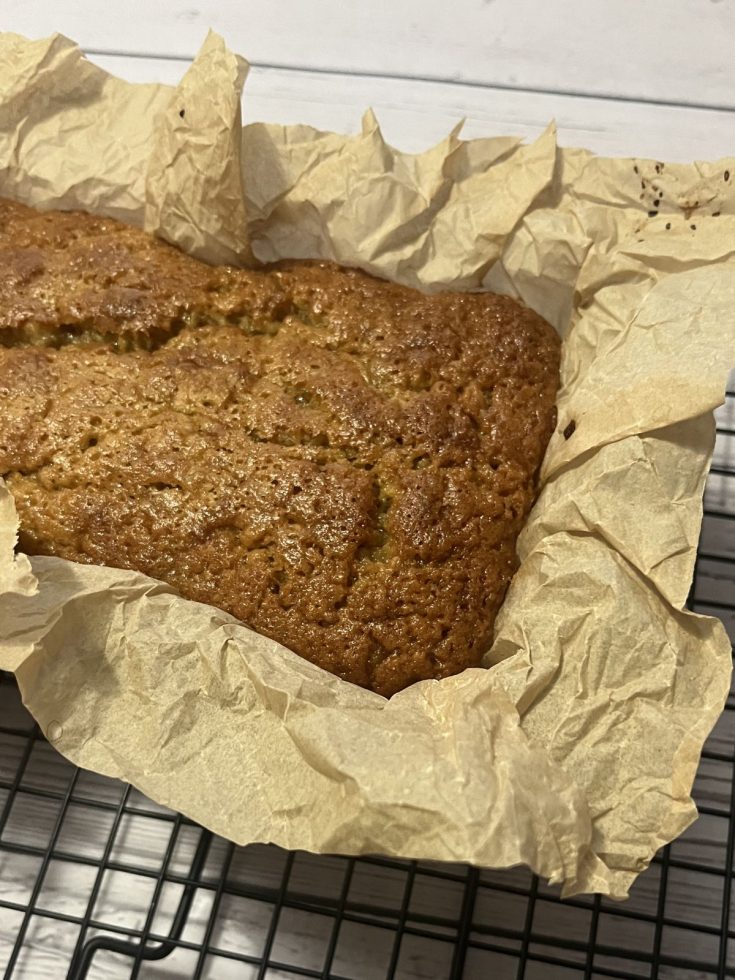
This homemade banana bread recipe made with fresh milled flour is soft, moist, and perfectly sweet with rich banana flavor in every bite. It is the kind of classic quick bread that feels comforting and dependable, whether you are serving it for breakfast, an afternoon snack, or a simple dessert.

If you have a few overripe bananas sitting on the counter, this is the perfect way to use them. The batter comes together quickly in a stand mixer and bakes into a golden loaf with a tender crumb and delicious aroma that fills your kitchen.

Fresh Milled Banana Bread

Fresh Milled Banana Bread

This fresh milled banana bread recipe is soft, moist, and perfectly sweet with rich banana flavor in every bite. It is the kind of classic quick bread that feels comforting and dependable, whether you are serving it for breakfast, an afternoon snack, or a simple dessert.

Prep Time 10 minutes
Cook Time 1 hour
Additional Time 1 hour
Total Time 2 hours 10 minutes

Ingredients

  • 1/4 cup oil
  • 1 1/2 cups sugar
  • 2 eggs
  • 3 mashed bananas
  • 1 teaspoon vanilla
  • 1 1/4 cups flour - 143g sof white wheat
  • 2 teaspoons baking powder
  • 1/2 cup milk

Instructions

    Preheat the oven to 350 degrees.

    weigh out the wheat berries and mill them.

    Mash the bananas with a fork.

    Add the oil, sugar, eggs, mashed bananas, vanilla, flour, baking powder, and milk to a stand mixer bowl. Mix on low speed until everything is fully incorporated, scraping down the sides as needed to ensure a smooth batter.

    Wet a piece of parchment paper and squeeze out the excess water. Line a loaf pan with the damp parchment paper, pressing it gently into the corners. Pour the batter into the prepared pan and spread it evenly.

    Bake for 60 minutes, checking the center with a knife. If the knife does not come out clean, continue baking in 5 minute increments until done. Remove the loaf from the oven and allow it to cool on a wire rack for at least one hour before slicing. If you cannot wait, let it cool for at least 30 minutes so it can set properly.

Notes

Use very ripe bananas with plenty of brown spots for the best flavor and natural sweetness.

Be careful not to overmix the batter, as this can make the loaf dense. Allowing the bread to cool fully helps the structure set, making it easier to slice cleanly.

Store the banana bread sealed at room temperature, or slice and freeze for quick breakfasts and snacks later on.

Did you make this recipe?

Please leave a comment on the blog or share a photo on Pinterest

© Naomi Scott

Why You Will Love This Banana Bread

Banana bread is a timeless favorite because it is simple, affordable, and made with basic pantry staples. The bananas naturally sweeten and moisten the bread, while the oil keeps the texture soft for days.

This recipe strikes the perfect balance between light and rich, creating a loaf that slices beautifully once cooled. It is easy enough for beginners and reliable enough to become a regular part of your baking routine.

Why You Should use fresh milled flour..

Milling your own flour allows you to keep all the natural nutrients found in the whole grain, including the bran and germ that are often removed in store-bought flour. Freshly milled flour has a richer flavor, better texture, and higher nutritional value because it hasn’t been sitting on a shelf losing freshness over time. It also gives you more control over the type of grain you use, helping you create wholesome, from-scratch baked goods that truly nourish your family.

Using fresh milled flour makes baked good like this more satisfying and helps keep your blood sugar from spiking as well so you feel better. It helps me justify making desserts more often for my family which they appreciate.

Ingredients for Banana Bread

• 1/4 cup oil
• 1 1/2 cups sugar
• 2 eggs
• 3 mashed bananas
• 1 teaspoon vanilla
• 1 1/4 cups flour – 143g soft white wheat
• 2 teaspoons baking powder
• 1/2 cup milk

Equipment Needed

  • Stand mixer
  • Grain Mill
  • Spatula
  • Measuring cups and spoons – Copper, anyone?!
  • Parchment paper
  • Loaf pan
  • Wire rack
  • Fork for mashing bananas

This post may contain affiliate links, which means I may earn a small commission at no extra cost to you if you choose to make a purchase. I only share products and tools that I personally use, love, or would genuinely recommend in my own kitchen. Thank you for supporting The Virtuous Home and helping me continue creating helpful, from-scratch recipes and homemaking resources for you.

How to Make Fresh Milled Banana Bread

Preheat the oven to 350 degrees.

Weigh out the soft white wheat berries and mill them.

Mash the bananas.

Add all the ingredients to a stand mixer bowl. Mix on low speed until everything is fully incorporated, scraping down the sides as needed to ensure a smooth batter.

Wet a piece of parchment paper and squeeze out the excess water. Line a loaf pan with the damp parchment paper. Pour the batter into the prepared pan and spread it evenly into corners.

Put it into the oven and bake it for 60 minutes, checking the center with a knife. If the knife does not come out clean, continue baking in 5 minute increments until done.

Remove the loaf from the oven and allow it to cool on a wire rack for at least one hour before slicing. If you cannot wait, let it cool for at least 30 minutes so so it can set properly.

Tips for Perfect Banana Bread

Use very ripe bananas with plenty of brown spots for the best flavor and natural sweetness.

Be careful not to overmix the batter, as this can make the loaf dense.

Allowing the bread to cool fully helps the structure set, making it easier to slice cleanly.

Store the banana bread in sealed container or tightly wrapped beeswax at room temperature, or slice and freeze for quick breakfasts and snacks later on.

Fresh Milled Flour, Recipes

No Discard Sourdough Starter with Fresh Milled Flour

Feb 25, 2026 · Leave a Comment

If you want to make a sourdough starter with fresh milled flour, but could do without the discarding, you will love my no-discard sourdough starter method!

The no-discard sourdough method is a great alternative to the typical feed and discard sourdough starter method. There are no feedings in the no-discard method. Instead, it uses an aerating technique which simply means to stir in air. There is naturally yeast in the air so when you stir the sourdough starter it brings that yeast into contact with the healthy bacteria present in the flour. Together over time while it sits out on the counter, the yeast grows and feeds on the flour releasing gas and these gas bubbles are what cause baked goods to rise. This breaks down the flour or ferments it which makes it easier to digest.

To do a no-discard sourdough starter, just water and flour as a base won’t cut it. You need something like sour milk to jump start it. This is as easy as putting out some milk to sour for 24 hours.

Please note that if you already have a sourdough starter going with pre-milled flour, you don’t have to start a new one. You can simply switch to feeding it with fresh milled flour.

How to Make a Sourdough Starter with Fresh Milled Flour

Making your own sourdough starter takes about 7-10 days. Although it takes a bit, it’s super easy and not hard to do. Here’s a breakdown of what you do during this time…

  • Day 1 – Set the milk out
  • Day 2 – Add flour
  • Day 3 – 7 – Aerate and keep warm
  • Day 7-10 – Aerate and watch for the gas bubbles.

Once you start to see big gas bubbles, you have a sourdough starter and start baking!

Day 1- Gather Items and Start

Here’s what you will need for this grand adventure of starting a sourdough starter!

  • Clean Jar with a lid (preferably cleaned with hot soapy water or run through the dishwasher)
  • Wooden Spoon
  • Whole Milk 
  • Hard Wheat Berries, white or red will work
  • Grain Mill
  • 1 C Measuring Cup or a kitchen scale if you prefer less mess

After you have gathered all the things that you will need, it’s time to start the process. The first thing you will need to do is to measure out 1 C (100g) of milk into your jar, loosely cover, and set it in a warm place.

If you are using a lock lid jar, don’t lock the lid. Just shut it. It should naturally prop itself up a little leaving a little room for air flow, but that is fine.

If you are using a piece of cloth or paper towel, don’t forget to use a mason jar ring or rubber band to keep it from falling off.

Leave the milk out on your counter top or in a warm place like on your stove or in a window if it’s warm out. The warmth will help the milk to sour faster, giving your starter an extra boost in creating that natural gut healthy yeast that makes bread products rise.

Day 2 – Add Flour

Now that you have your sour milk that has sat out for a day or so, it’s time to add the flour and wait for the magic to happen.

First, you will need to mill the wheat berries and turn them into flour. Simply weigh out 100g of hard wheat berries, add them to your mill hopper, put the lid on, and turn it on.

Once all the berries are milled, turn off the mill and add your flour to your jar of soured milk. You may find a canning funnel to be helpful here.

Stir in the flour with your wooden spoon until it is fully incorporated and then cover your starter back up. Again you want to place it in a warm place to give that healthy yeast a boost.

If it is summer time, this won’t be necessary but in the winter time, it can take twice as long for your starter to be ready because the yeast will grow so slowly.

Some ideal places to put your starter is… 

  • On or near the stove while you are cooking or baking
  • On your dryer while it’s running 
  • In a sunny window
  • In a cooled oven overnight with the light on

Check on your starter once or twice throughout the day to stir it. This aerates the starter or whips air into it which the yeast loves. After you have stirred it, make sure you cover it back up, and put it in a warm place. 

The starter does not have to consistently be in a warm spot so don’t fret about it. The warmth is just an added bonus to help boost the yeast especially in the cooler months.

Preferably keep your starter in your cooled oven with the light on overnight while it is growing. The light will provide a little bit of warmth, but again, it will help it grow faster.

Day 3 – 7 – Stir and Keep Warm

Now that you have your starter going, now what?

Not much actually. Sit back and watch your starter slowly start to form lovely bubbles.

You should definitely check on it once or twice a day to stir it and maybe move it to a warm place, but for the most part of the next few days, it will do the rest of the process on its own.

You may see some lovely bubbles today or tomorrow, but your starter is not very mature yet. It is best to let it keep maturing and growing stronger for several more days. The earliest you can use your starter will probably be Day 7 or four days from now. 

If that is not an ideal day for you to make some bread, no worries. Besides, it may not be ready and even if it is, it will only get stronger the more it sits (which is what you want). Putting it off for a day or two won’t do any harm to it. Just remember to stir it and it will keep maturing.

You may see your starter literally grow or rise in your jar and then it may shrink back down again. No worries! This is actually very normal. 

And if you don’t see it rise, don’t worry either. This also happens.

If you happen to get a bug in it, no harm done. Just scoop it out and cover it more securely. There is no need to start over.

Day 7-10

Let’s see if your starter is ready to bake with!

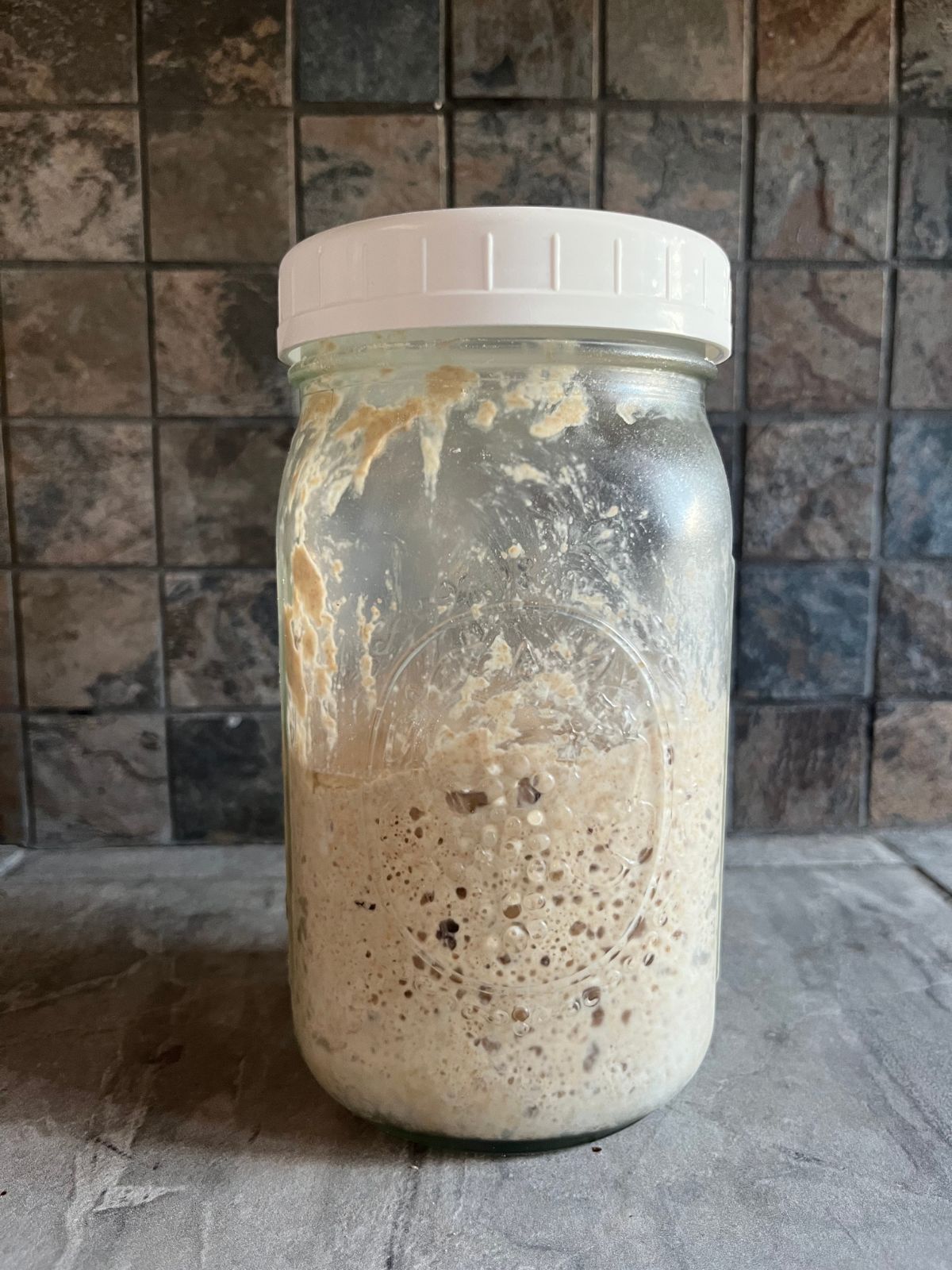
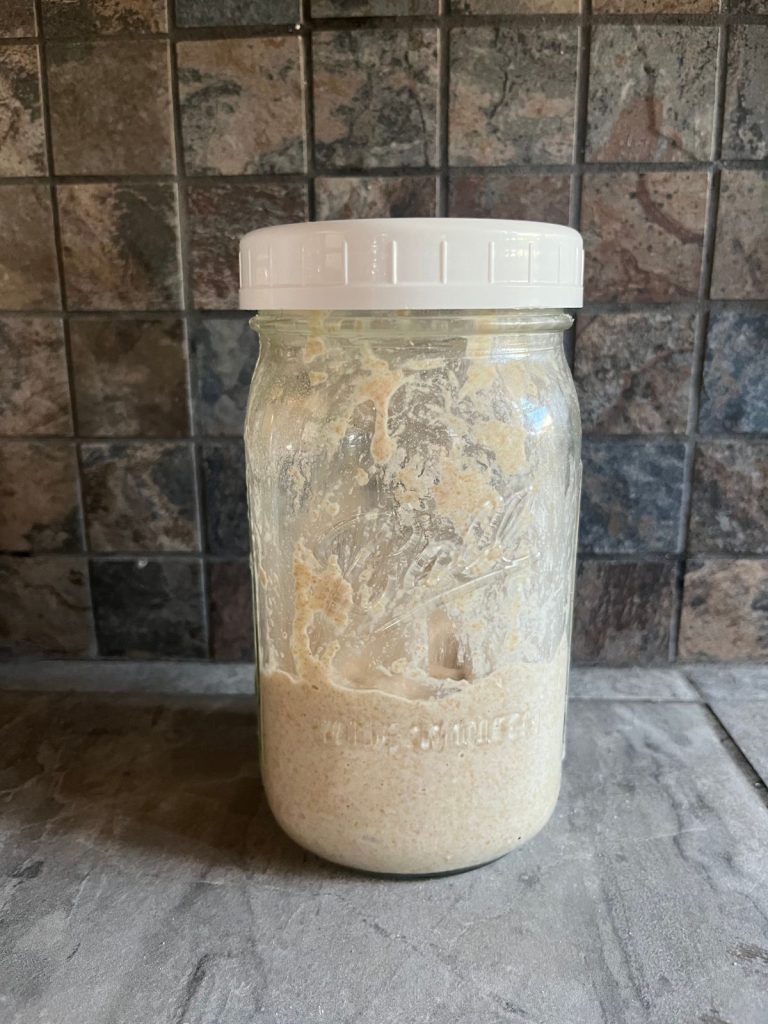
Grab your starter and see if you can see any bubbles. This is what it looks like without big bubbles.

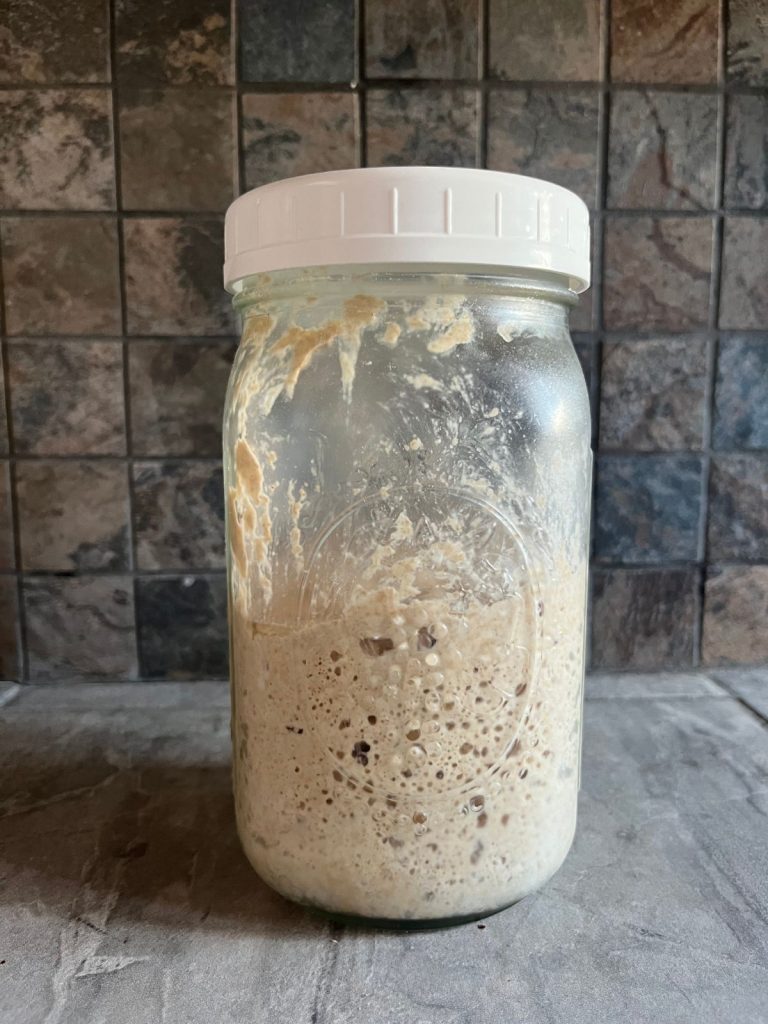
This is what it looks like with big bubbles.

It should have lots of air holes that you can see through the glass. When you uncover it and peek in at the top it might have little bubbles that have formed around the edge.

Lots of bubbles is what you are going for. 

Bubbles = Happy Starter = Fluffy Bread Products

If you don’t see very many bubbles or none at all, don’t throw it out and start again! You may need to wait a few more days.

Sometimes if the air is colder it takes longer for starters to mature. Even if this is not the case, your starter will bubble soon if you follow my method and stir it every day.

That being said, a sourdough starter made with fresh milled flour tends to be ready sooner. The yeast likes extra nutrients from the whole grain flour.

Remember, placing it in a warm place will give it a boost, too. Some of the best warm places are…

  • On or near the stove while you are cooking or baking
  • On your dryer while it’s running 
  • In a sunny window
  • In a cooled oven overnight with the light on

But if your starter is nice and bubbly, then it’s time to bake!

Follow the recipe instructions closely and you should get a nice sourdough bread product!

Save it for later!

Fresh Milled Flour

11 Easter Coloring Pages (Free Printable)

Feb 25, 2026 · Leave a Comment

Easter is one of the sweetest times of the year to slow down and gather your children around the table. The flowers begin to bloom, the days grow longer, and the anticipation of celebration fills the home. In the middle of preparing meals, attending church, and planning family gatherings, it is helpful to have simple activities that bring calm and joy to your home.

Easter coloring pages are a beautiful way to create quiet moments during a busy season. They give little hands something meaningful to do while you prepare brunch or finish baking. They also offer an opportunity to talk about the deeper meaning of Easter in a gentle, age-appropriate way.

Whether you are looking for faith-based designs, sweet spring animals, or classic Easter eggs and baskets, coloring pages can become part of your family’s yearly traditions. Here is how to use them intentionally and make them part of a peaceful, old-fashioned Easter celebration.

Here are a few samples…

Download printable coloring pages here!

Save for later!

Printables

15 Easter Sourdough Recipes for the Perfect Celebration

Feb 25, 2026 · Leave a Comment

Easter is a time of renewal, celebration, and gathering around the table. It’s the perfect opportunity to slow down, bake something meaningful, and fill your home with the comforting aroma of fresh sourdough. Whether you’re hosting a large family meal or keeping things simple, sourdough adds a beautiful old-fashioned touch to your Easter menu.

If you already keep a sourdough starter on your counter, this is your moment. From soft dinner rolls to festive sweet breads and rustic brunch dishes, sourdough can carry you from Good Friday through Easter Sunday dinner.

Here are 15 Easter sourdough recipes that feel special enough for the holiday while still being rooted in simple, traditional homemaking.

1. Sourdough Hot Cross Buns

These lightly sweet, spiced buns are a classic Easter tradition. Made with active sourdough starter, they have a tender crumb and deep flavor that commercial yeast simply can’t match. Add raisins or currants, finish with a simple cross on top, and glaze lightly for that beautiful holiday look.

Sourdough Hot Cross Buns Recipe

2. Sourdough Easter Braided Bread

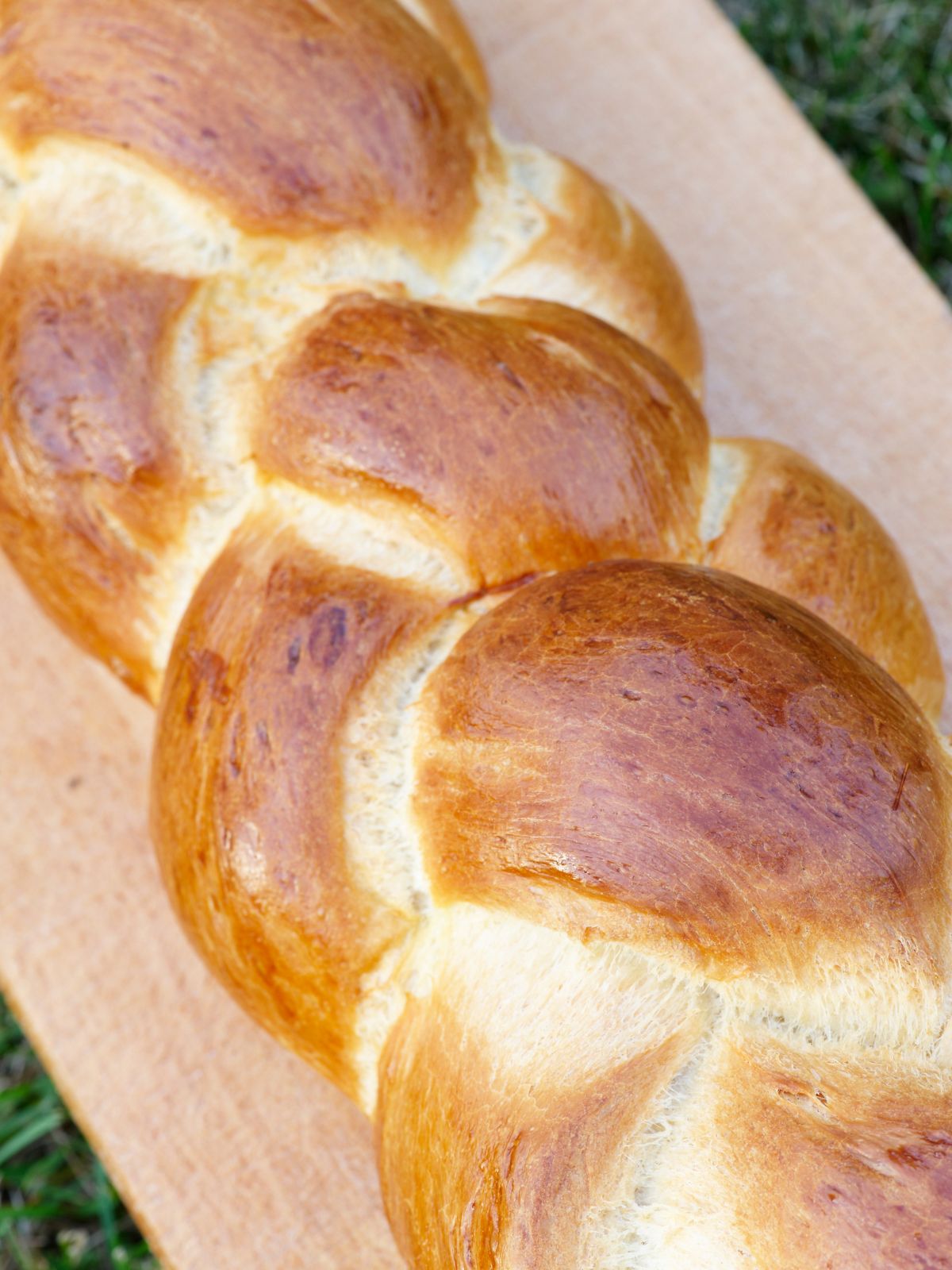
A soft, enriched dough shaped into a braid makes a stunning centerpiece. The natural fermentation gives it complexity while still remaining light and fluffy.Brush with egg wash and sprinkle with coarse sugar for a bakery-style finish.

Sourdough Easter Braided Bread

3. Sourdough Cinnamon Rolls

Perfect for Easter morning, sourdough cinnamon rolls can be prepared the night before and baked fresh in the morning. Top with cream cheese frosting or a simple vanilla glaze and serve alongside coffee before church or brunch.

Sourdough Cinnamon Rolls Recipe

4. Sourdough Carrot Cake Muffins

Carrot cake is practically an Easter staple. Use sourdough discard in the batter for added moisture and depth. These muffins are perfect for a spring brunch spread or an afternoon treat.

Sourdough Carrot Cake Muffins

5. Sourdough Dinner Rolls

Soft sourdough dinner rolls are a must for Easter dinner. They pair beautifully with ham, roasted vegetables, and butter. Shape them into uniform rounds or nestle them close together in a baking dish for pull-apart rolls.

Sourdough Dinner Rolls

6. Sourdough Scones

A lightly sweetened honey wheat loaf makes wonderful sandwich bread for leftover Easter ham. The natural fermentation enhances the wheat flavor and makes it easier to digest.

Sourdough Honey Wheat Bread Recipe

7. Sourdough Deviled Egg Toast

Turn simple sourdough toast into an elegant appetizer by topping it with deviled egg filling. Cut into small squares or triangles for a charming addition to your Easter table.

Sourdough Bread Recipe

Deviled Egg Recipe

8. Sourdough Lemon Loaf

Bright lemon flavor feels perfect for spring. Adding sourdough discard gives the loaf a tender texture and subtle tang. Drizzle with a simple lemon glaze for a fresh, festive finish.

Sourdough Lemon Loaf Recipe

9. Sourdough Strawberry Shortcake

Use sourdough biscuits as the base for strawberry shortcake. The slight tang balances the sweetness of fresh berries and whipped cream. This makes a light, beautiful dessert for Easter afternoon.

Sourdough Strawberry Shortcake

10. Sourdough Herb Focaccia

Infuse focaccia with rosemary, thyme, or chives for a savory side dish. Serve it warm with olive oil for dipping or alongside roasted lamb or chicken.

Sourdough Herb Focaccia Recipe

11. Sourdough Quiche Crust

Use sourdough discard to make a flaky, flavorful pie crust for quiche. Fill it with spinach, ham, or asparagus for a beautiful Easter brunch dish.

Sourdough Quiche Crust Recipe

12. Sourdough Brioche Bread

An enriched sourdough dough made with eggs and butter creates a tender, rich bread perfect for special occasions. This bread works wonderfully for French toast the morning after Easter.

Sourdough Brioche Bread Recipe

13. Sourdough Blueberry Scones

Scones made with sourdough discard are soft inside with a lightly crisp exterior. Serve them warm with clotted cream or butter for a simple spring treat.

Sourdough Blueberry Scones Recipe

14. Sourdough Pretzel Bites

If you’re hosting a gathering with children, sourdough pretzel bites are always a hit. Serve with mustard or a simple cheese dip for a fun appetizer.

Easy Sourdough Cinnamon Sugar Pretzel Bites

Classic Sourdough Pretzel Bites Recipe

15. Sourdough Easter Bread

Shape sourdough bread into “nests” and place a dyed egg in the center before baking (remove before serving if desired). They make a beautiful addition to your Easter table.

Sourdough Easter Bread Recipe

Final Thoughts

Easter is the perfect time to embrace slow baking and meaningful traditions. Sourdough connects us to generations of homemakers who fed their families with simple, fermented bread made by hand.

You don’t have to make all 15 recipes. Choose one or two that feel special to your family and build your celebration around them. With a little planning and a faithful starter bubbling on your counter, your Easter table can be both beautiful and deeply nourishing.

Recipes

Sourdough Cinnamon Sugar Pretzel Bites

Feb 25, 2026 · Leave a Comment

If you love the cozy flavor of cinnamon sugar and the soft, chewy texture of homemade pretzels, these sourdough cinnamon sugar pretzel bites are the perfect treat. They are lightly crisp on the outside, tender on the inside, and coated in a sweet spiced topping that makes them irresistible.

These bite-sized treats are perfect for afternoon snacks, holiday gatherings, or a special baking day with your children. They come together beautifully and fill your kitchen with the warm scent of cinnamon and freshly baked bread. Once you make them from scratch, you may never want store-bought again.

Sourdough Cinnamon Sugar Pretzel Bites

Sourdough Cinnamon Sugar Pretzel Bites

If you love the cozy flavor of cinnamon sugar and the soft, chewy texture of homemade pretzels, these sourdough cinnamon sugar pretzel bites are the perfect treat. They are lightly crisp on the outside, tender on the inside, and coated in a sweet spiced topping that makes them irresistible.

Prep Time 8 hours
Cook Time 12 minutes
Additional Time 10 minutes
Total Time 8 hours 22 minutes

Ingredients

  • For the Dough;
  • 1/2 cup sourdough starter (100g)
  • 1 cup water (230g)
  • 1 tablespoon sugar or honey
  • 1 teaspoon salt
  • 3 1/2 cups flour (450g)
  • For the Baking Soda Bath:
  • 3 cups water
  • 1/4 cup baking soda
  • For Topping:
  • 1 Egg, for egg wash
  • Cinnamon Sugar Mixture:
  • 1/2c Granulated sugar
  • 1T Ground cinnamon

Instructions

    Add the sourdough starter, water, honey, salt, and flour into the bowl of a stand mixer. Knead on low speed for 15 minutes until the dough becomes smooth and elastic.
    Cover the bowl and allow the dough to rise for 6-8 hours at room temperature, or until doubled in size.
    During colder months, place the covered bowl in the oven with the oven light on to create a warmer environment. This simple trick helps speed up fermentation without overheating the dough.


    Preheat your oven to 425°F and line a baking sheet with parchment paper.
    Turn the dough onto a lightly floured surface and divide it into 6 equal pieces. Roll each piece into a rope about 1 inch thick. Using a sharp knife or bench scraper, cut each rope into bite-sized pieces.


    Boil 3-4 cups of water in a kettle and pour into a large bowl. I like to use my mixing bowl since it's stainless steels. Stir in 1/4 cup baking soda until dissolved.
    Drop the pretzel bites into the baking soda bath for 20 to 30 seconds. This step is essential — it gives pretzels their signature chewy crust and deep golden color.
    Remove the bites with a slotted spoon and place them on the prepared baking sheet.


    Bake the pretzel bites for 12 to 15 minutes, or until they are deep golden brown.

    Remove them from the oven. While they cool slightly enough to handle, mix the cinnamon sugar mixture.

    Toss each pretzel bite in cinnamon sugar and serve.

Did you make this recipe?

Please leave a comment on the blog or share a photo on Pinterest

© Naomi Scott

Equipment Needed

  • Stand Mixer
  • Baking sheet
  • Parchment paper
  • Small bowls for egg wash and topping
  • Pastry brush
  • Slotted spoon
  • Kettle

This post may contain affiliate links, which means I may earn a small commission if you choose to purchase through them at no additional cost to you. I only share products I personally use, love, or truly believe will be helpful in your homemaking journey. Your support through these links helps me continue creating practical, encouraging content for you and your home. Thank you for supporting my work in this simple and meaningful way.

Ingredients

For the Dough
1/2 cup sourdough starter (100g)
1 cup water (230g)
1 tablespoon sugar or honey
1 teaspoon salt
3 1/2 cups flour (450g)

For the Baking Soda Bath
3 cups water
1/4 cup baking soda

For Topping

  • 1 Egg, for egg wash

Cinnamon Sugar Mixture

  • 1/2c Granulated sugar
  • 1T Ground cinnamon

How to Make Sourdough Pretzel Bites

1. Mix and Knead the Dough

Add the sourdough starter, water, honey, salt, and flour into the bowl of a stand mixer. Knead on low speed for 15 minutes until the dough becomes smooth and elastic.

2. Let the Dough Rise

Cover the bowl and allow the dough to rise for 6-8 hours at room temperature, or until doubled in size.

During colder months, place the covered bowl in the oven with the oven light on to create a warmer environment. This simple trick helps speed up fermentation without overheating the dough.

3. Shape the Pretzel Bites

Preheat your oven to 425°F and line a baking sheet with parchment paper.

Turn the dough onto a lightly floured surface and divide it into 6 equal pieces. Roll each piece into a rope about 1 inch thick. Using a sharp knife or bench scraper, cut each rope into bite-sized pieces.

The Baking Soda Bath (The Secret to That Classic Pretzel Texture)

Boil 3-4 cups of water in a kettle and pour into a large bowl. I like to use my mixing bowl since it’s stainless steels. Stir in 1/4 cup baking soda until dissolved.

Drop the pretzel bites into the baking soda bath for 20 to 30 seconds. This step is essential — it gives pretzels their signature chewy crust and deep golden color.

Remove the bites with a slotted spoon and place them on the prepared baking sheet. Sprinkle generously with salt.

Bake Until Golden Brown

Bake the pretzel bites for 12 to 15 minutes, or until they are deep golden brown.

Once out of the oven, brush with melted butter or oil and roll in cinnamon sugar.

Allow the sourdough cinnamon sugar pretzel bites to cool slightly before serving. They are best enjoyed warm, when the cinnamon sugar topping is fragrant and the centers are still soft. Serve them fresh from the oven with a cup of coffee or a glass of cold milk for a simple, comforting treat.
Recipes, Sourdough

Soft and Chewy Sourdough Pretzel Bites (Easy Homemade Recipe)

Feb 25, 2026 · Leave a Comment

Homemade sourdough pretzel bites are definitely a good addition to for your recipe box. The are a treat for both kids and adults alike. The deep brown crust, the soft and chewy center, and that sprinkle of salt on top make them quite irresistible.

These sourdough pretzel bites are the perfect way to use active starter and create an easy to share snack. They work just as well for a family movie night as they do for a holiday gathering or church potluck. Simple ingredients and a little patience are all you need.

If you’ve never made homemade pretzels before, don’t worry. This step-by-step guide will walk you through the process so you can confidently create soft, bakery-style sourdough pretzel bites right at home. They were a lot easier to make than I realized.

Easy Sourdough Pretzel Bites

Easy Sourdough Pretzel Bites

These sourdough pretzel bites are the perfect way to use active starter while creating something fun and shareable. They work just as well for a family movie night as they do for a holiday gathering or church potluck. Simple ingredients and a little patience are all you need.

Prep Time 8 hours
Cook Time 12 minutes
Additional Time 10 minutes
Total Time 8 hours 22 minutes

Ingredients

  • For the Dough:
  • 1/2c - 100g sourdough starter
  • 1 c - 230g water
  • 1 T honey
  • 1 t salt
  • 3 1/2 c - 450g flour
  • For the Baking Soda Bath:
  • 4 c water
  • 1/4 c baking soda
  • For Topping:
  • Salt
  • 1 Egg, for egg wash

Instructions

    Add all the ingredients into a stand mixer bowl and knead on low for 10 minutes.
    Cover the bowl and let rise 6-8 hours at room temperature, or until it has doubled is size. (For the colder months, pace in the dough in the oven with the oven light on to recreate a warm environment. This will speed up the rising process.)
    Preheat oven to 425°F and line a baking sheet with parchment paper.
    Turn dough onto a lightly floured surface and divide into 6 pieces. Roll each piece into a rope about 1 inch thick, then cut into bite-sized pieces.
    Boil 3 cups of water in a kettle and pour into to a large bowl. Add 1/4c baking soda and stir it until it dissolves.
    Drop pretzel bites into the baking soda bath for 20–30 seconds, then remove with a slotted spoon and place on the baking sheet.
    Brush the tops with egg wash.
    Sprinkle with salt.
    Bake for 12–15 minutes, or until deep golden brown.
    Brush with butter or oil and cool slightly before serving.

Did you make this recipe?

Please leave a comment on the blog or share a photo on Pinterest

© Naomi Scott

Why You’ll Love These Sourdough Pretzel Bites

Sourdough pretzel bites have that classic chewy exterior thanks to the baking soda bath, but the natural fermentation allows you make to a cleaner version than with traditional yeast. They are soft inside, slightly crisp outside, and wonderfully satisfying.

They are also incredibly versatile. You can keep them classic with salt, toss them in cinnamon sugar for a sweet treat, or top them with cheese for a savory twist. Once you make them once, you’ll find yourself making them again and again.

Ingredients

For the Dough
1/2 cup sourdough starter (100g)
1 cup water (230g)
1 tablespoon sugar or honey
1 teaspoon salt
3 1/2 cups flour (450g)

For the Baking Soda Bath
4 cups water
1/4 cup baking soda

For Topping

salt

1 Egg, for egg wash

How to Make Sourdough Pretzel Bites

1. Mix and Knead the Dough

Add the sourdough starter, water, honey, salt, and flour into the bowl of a stand mixer. Knead on low speed for 15 minutes until the dough becomes smooth and elastic.

2. Let the Dough Rise

Cover the bowl and allow the dough to rise for 6-8 hours at room temperature, or until doubled in size.

During colder months, place the covered bowl in the oven with the oven light on to create a warmer environment. This simple trick helps speed up fermentation without overheating the dough.

3. Shape the Pretzel Bites

Preheat your oven to 425°F and line a baking sheet with parchment paper.

Turn the dough onto a lightly floured surface and divide it into 6 equal pieces. Roll each piece into a rope about 1 inch thick. Using a sharp knife or bench scraper, cut each rope into bite-sized pieces.

The Baking Soda Bath (The Secret to That Classic Pretzel Texture)

Boil 3-4 cups of water in a kettle and pour into a large bowl. I like to use my mixing bowl since it’s stainless steels. Stir in 1/4 cup baking soda until dissolved.

Drop the pretzel bites into the baking soda bath for 20 to 30 seconds. This step is essential — it gives pretzels their signature chewy crust and deep golden color.

Remove the bites with a slotted spoon and place them on the prepared baking sheet. Sprinkle generously with salt.

Bake Until Golden Brown

Bake the pretzel bites for 12 to 15 minutes, or until they are deep golden brown.

Once out of the oven, brush with melted butter or oil if desired. Allow them to cool slightly before serving — though they are best enjoyed warm.

Optional Add-Ons and Flavor Variations

These sourdough pretzel bites are easy to customize depending on the occasion.

  • For a classic finish, brush with melted butter immediately after baking.
  • For a sweet version, skip the salt and toss warm pretzel bites in cinnamon sugar.
  • For a savory twist, sprinkle shredded cheddar cheese on top before baking.
  • Serve alongside warm cheese sauce or honey mustard for dipping.

Final Thoughts

Homemade sourdough pretzel bites are one of those simple recipes that feel special every time you make them. They are practical enough for everyday baking but festive enough for holidays and gatherings. With just a few pantry staples and your faithful sourdough starter, you can create soft, chewy pretzel bites that the whole family loves.

Recipes, Sourdough

DIY Curtains for a China Hutch

Feb 21, 2026 · Leave a Comment

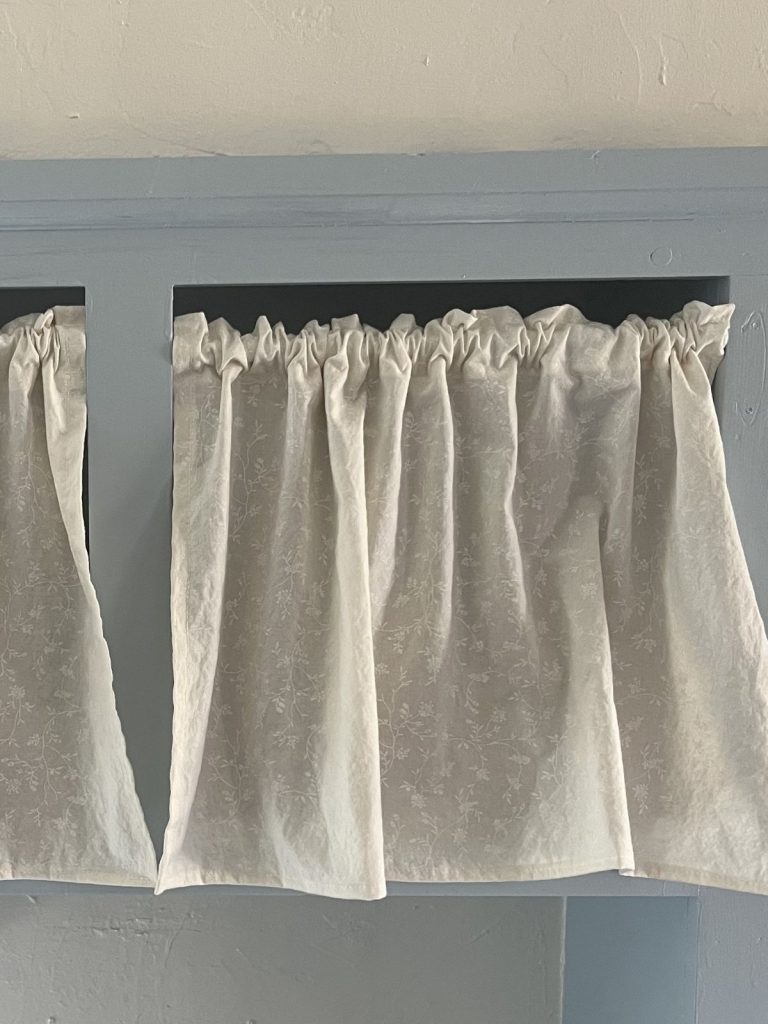
Adding curtains to a China hutch is an easy way to soften the look of your display and add a touch of charm to your dining or kitchen area. Curtains can hide shelves that are full of everyday dishes or collectibles while still allowing you to showcase your favorite pieces when you like. With a little planning and simple sewing, you can make custom panels that fit your hutch perfectly and bring a warm, homey feel to the room.

Before you begin, it’s helpful to plan out exactly how much fabric you’ll need for your project. If your hutch has multiple sections or panels of different sizes, a quick sketch or diagram can make calculating yardage much easier. Washing and drying the fabric before cutting ensures that your curtains won’t shrink later, keeping your panels the perfect size.

Measuring carefully is key to achieving a professional look. Add seam allowance and extra length for rod pockets at both the top and bottom of each panel to make threading the yarn easier later. Doubling the width of each panel gives a nice, full curtain that drapes beautifully across each hutch section, even if some panels are smaller or narrower than others.


DIY China Hutch Curtains Tutorial

Equipment & Supplies

  • Sewing machine
  • Coordinating thread
  • Scissors
  • Measuring tape
  • 4 screws per panel
  • Drill
  • Yarn
  • Safety pin

Step 1: Measure and Cut Fabric

  1. Determine the height of each panel by measuring from about an inch above the glass pane (or window area) and adding 2 inches for seam allowance and rod pocket.
  2. Measure the width of each panel and double it to allow for fullness.
  3. Mark and cut your fabric for each panel, remembering to account for any panels that are different sizes.

Step 2: Hem the Panels

  1. Hem the sides by double folding under about ¼ inch, and sewing.
  2. For the top and bottom, fold the edge over ¼ inch and sew, then fold down again ¾ inch and sew to create a rod pocket.
  3. Repeat for all panels so each one has a finished top, bottom, and sides.

Step 3: Prepare Yarn for Hanging

  1. Cut two pieces of yarn for each panel, making them extra long so you have room to tie and adjust.
  2. Thread a safety pin onto one end of the yarn and feed it through the top rod pocket. Repeat for the bottom pocket.

Step 4: Install Screws

  1. Using a drill, install 4 screws for each panel inside the hutch doors or sections — about ¼ inch away and 1 inch above (or below for bottom panels) the glass pane.
  2. Do not screw them all the way in; leave about ¼ inch of the screw head exposed so you can tie the yarn around it.

Step 5: Hang the Curtains

  1. Make sure the front of each panel faces outward.
  2. Tie the yarn from the top pocket to one screw using a secure double knot.
  3. Pull the other end of the yarn taut, wrap it around the opposite screw head several times, and double knot.
  4. Repeat for the bottom pocket and continue with each panel until all curtains are attached.
  5. Trim excess yarn as needed after all panels are secured.

Final Thoughts!

These DIY China hutch curtains create a polished, custom look without permanent changes to your furniture. You can mix and match fabrics to reflect seasonal decor or change them out when you want a fresh look. The soft folds and tidy rod pockets give a professional touch while still being completely functional and adjustable.

Handmade

Instant Pot Curry Rice

Feb 21, 2026 · Leave a Comment

Instant Pot curry rice is one of the easiest ways to create a warm, flavorful side dish with almost no effort. With creamy coconut milk, fragrant curry powder, and perfectly tender rice, this recipe transforms simple pantry ingredients into something comforting and satisfying. Whether you serve it alongside roasted vegetables, grilled chicken, or salmon, this coconut curry rice delivers bold flavor with minimal hands-on time.

Using the Instant Pot makes this curry rice recipe especially convenient for busy weeknights. There’s no watching the stove or worrying about the rice sticking to the bottom of the pan. Everything cooks together under pressure, allowing the rice to absorb the coconut milk and spices for rich, even flavor in every bite.

This recipe works well with either white rice or brown rice, making it adaptable to your family’s preference. White rice yields a softer, fluffier texture, while brown rice provides a slightly nutty flavor and heartier bite. Both pair beautifully with the creamy coconut base and warm curry seasoning.

Yield: 4 Servings

Instant Pot Curry Rice

Instant Pot Curry Rice

Instant Pot curry rice is one of the easiest ways to create a warm, flavorful side dish with almost no effort. With creamy coconut milk, fragrant curry powder, and perfectly tender rice, this recipe transforms simple pantry ingredients into something comforting and satisfying. Whether you serve it alongside roasted vegetables, grilled chicken, or salmon, this coconut curry rice delivers deliciousness with minimal hands-on time.

Prep Time 1 day
Cook Time 20 minutes
Additional Time 10 minutes
Total Time 1 day 30 minutes

Ingredients

  • 1½ cups white rice or 1 cup brown rice
  • 1 can coconut milk
  • 2 teaspoons curry powder
  • 1 teaspoon salt

Instructions

    Add rice to a bowl and cover with lots of water. Soak overnight (8-24 hours).

    Add rice to a strainer and rinse under running water.

    Add rice to the Instant Pot insert.
    Pour in the coconut milk.
    Add curry powder and salt.
    Seal the lid and set the pressure valve to pressurize.
    Cook on high pressure for 20 minutes.
    Allow the pressure to release naturally.
    Fluff with a fork and serve warm.

Notes

Use the ratio 1:1 of white rice to coconut milk and 1:1 1/2 brown rice to coconut milk to adjust portions.

Don't skip the soaking! It makes the texture so much better.

Did you make this recipe?

Please leave a comment on the blog or share a photo on Pinterest

© Naomi Scott

Why You’ll Love This Instant Pot Curry Rice

This curry rice is naturally dairy-free thanks to the coconut milk, making it a wonderful option for those avoiding dairy. It’s simple, budget-friendly, and made with ingredients you likely already have in your pantry. The coconut milk creates a subtle sweetness that balances the earthy warmth of the curry powder, resulting in a comforting dish that feels special without being complicated.

It’s also versatile. Add peas, diced carrots, shredded chicken, chickpeas, or a squeeze of fresh lime after cooking to customize it. Leftovers store well and reheat beautifully, making this recipe ideal for meal prep.

Ingredients for Coconut Curry Rice

To make Instant Pot curry rice, you’ll need:
White rice (1½ cups) or brown rice (1 cup)
1 can of coconut milk
1 teaspoon curry powder
1 teaspoon salt

That’s it. Four simple ingredients come together to create a fragrant, flavorful rice dish that pairs with nearly any main course.

How to Make Curry Rice in the Instant Pot

Start by adding 1½ cups of white rice or 1 cup of brown rice to a bowl and cover with water to soak overnight. You could skip this step and turn out a decent dish, but you can’t skip it if you want to take it to the next level. Plus, rice is easier to digest if it soaks for awhile. I usually start the rice soaking whenever I remember to do it the day before I want it and then start it about 45 minutes before I want to serve it.

Once the rice has soaked, dump it into a strainer and rinse it under running water.

Next, you can add it to the Instant Pot. Pour in one full can of coconut milk. Add 1 teaspoon of curry powder and 1 teaspoon of salt.

Seal the Instant Pot lid and ensure the pressure valve is set to pressurize. Set the Instant Pot to cook for 20 minutes. Once the cooking cycle is complete, allow the pressure to release naturally.

After the pressure has fully released, carefully open the lid and fluff the rice with a fork. Serve warm as a side dish or base for your favorite proteins and vegetables.

Tips for Perfect Instant Pot Curry Rice

Be sure to soak the rice for best texture. Although I do occasionally skip the soaking when I’m in a pinch, this step is especially helpful if you are miking this dish with brown rice. Without soaking, brown rice can be a little more chewy.

For extra flavor, top the curry rice with a bit of lemon juice. This brings a nice citrus acidity to the picture.

If using brown rice, remember it has a firmer texture and slightly nuttier flavor compared to white rice. Both options work well in this recipe. I do prefer brown rice (especially organic brown rice) because I actually think it tastes better and it doesn’t spike my blood sugar like white rice does.

Serving Suggestions

Instant Pot coconut curry rice pairs beautifully with grilled chicken, baked salmon, sautéed vegetables, or roasted corn. On the first night I served this dish to my family, I served it along side a beef sausage pattie, roasted corn (I tossed some frozen corn into the cast iron skillet after cooking the patties), green beans, and of course a lemon slice.

Frequently Asked Questions

Can I use light coconut milk?
Yes, I like to use light coconut milk that I get from Azure because it only contains 2 ingredients, coconut and water. All the other coconut milks have some kind of thickener like guar gum or something similar added to it.

Can I store leftovers?
Yes. Store cooled rice in an airtight container in the refrigerator for up to 4 days. Reheat with a splash of water or coconut milk to restore moisture.

Is this recipe spicy?
Curry powder adds warmth and depth but is not typically very spicy. If you prefer heat, add a pinch of cayenne pepper or red pepper flakes. Fresh ginger would also be a great option for some heat.

Recipes

Instant Pot Kidney Beans

Feb 21, 2026 · Leave a Comment

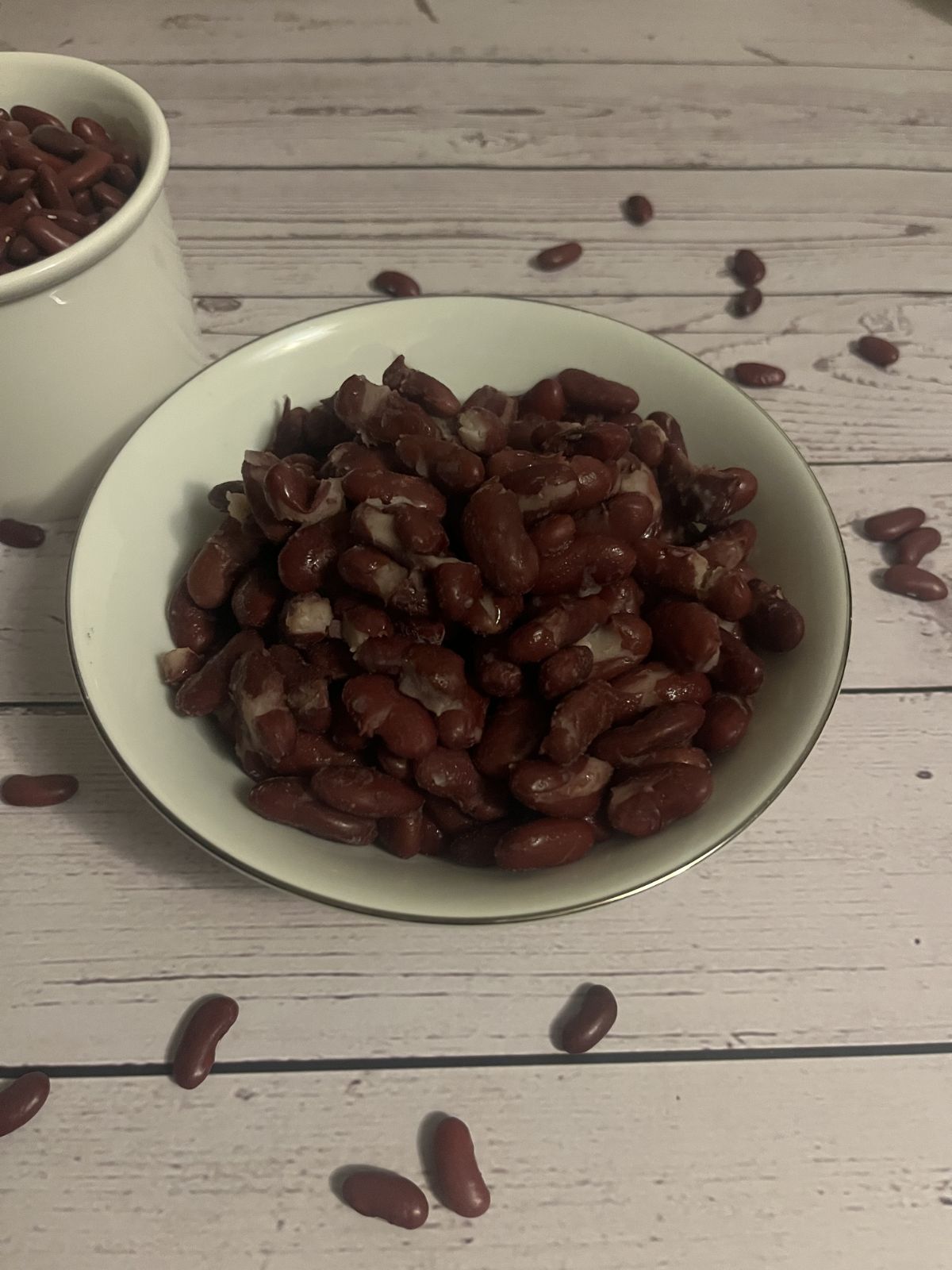
Cooking dried kidney beans in the Instant Pot is one of the easiest ways to save money, avoid preservatives, and stock your kitchen with a nourishing, from-scratch staple. Instead of relying on canned beans, you can cook a large batch at home for a fraction of the cost — and the texture and flavor are far superior. With just soaking some in water, and then pressure cooking them, you’ll have tender, perfectly cooked kidney beans ready for soups, chili, salads, and burritos all at a moments notice.

If you’ve ever been intimidated by cooking dried beans, the Instant Pot makes the process simple and reliable. There’s no standing over the stove or worrying about pots boiling over. Once the beans are soaked and added to the pressure cooker, the appliance does all the work.

Making Instant Pot kidney beans in batches is also practical for busy households. Cook once and freeze portions for later, so you always have beans ready to add to recipes. This simple kitchen habit stretches your grocery budget and makes weeknight cooking much easier.

Instant Pot Kidney Beans

Instant Pot Kidney Beans

Cooking dried kidney beans in the Instant Pot is one of the easiest ways to save money, avoid preservatives, and stock your kitchen with nourishing, from-scratch staples. Instead of relying on canned beans, you can cook a large batch at home for a fraction of the cost — and the texture and flavor are far superior. With just soaking, water, and pressure cooking, you’ll have tender, perfectly cooked kidney beans ready for soups, chili, salads, and meal prep.

Ingredients

  • 1-2 cups dried kidney beans
  • Water

Instructions

    Place dried kidney beans in a large bowl and cover with water. Soak 8–24 hours.


    Drain beans into a strainer and rinse thoroughly under running water.
    Add beans to the Instant Pot insert.


    Cover with fresh water until the water level is 1–2 inches above the beans.
    Secure lid and set pressure valve to pressureize.
    Cook on high pressure for 55 minutes.
    Allow pressure to release naturally.
    Drain and use as needed.

Did you make this recipe?

Please leave a comment on the blog or share a photo on Pinterest

© Naomi Scott

Why Soak Kidney Beans First?

Soaking kidney beans for 8 to 24 hours helps soften them and promotes even cooking. It can also reduce compounds that may cause digestive discomfort. An overnight soak is convenient and works perfectly for this recipe.

After soaking, always rinse the beans thoroughly before cooking. This removes any residue from the soaking water and prepares them for pressure cooking.

Equipment Needed

  • Instant Pot (electric pressure cooker)
  • Large bowl (for soaking)
  • Strainer or colander
  • Measuring cups – Copper measuring cups, anyone?!

Note: this post contains affiliate links.

Ingredients

  • Several cups of dried kidney beans (Azure is the best place for organic dried beans.)
  • Water (enough to cover beans by 1–2 inches in the Instant Pot)

That’s all you need — no complicated ingredients required. You can season the beans after cooking.

How to Cook Kidney Beans in the Instant Pot

Begin by placing several cups of dried kidney beans in a large bowl. Cover completely with water and allow them to soak for 8 to 24 hours. Overnight soaking is ideal and convenient.

After soaking, dump the beans into a strainer and rinse thoroughly under running water.

Add the rinsed beans to the Instant Pot. Pour in enough fresh water to cover the beans by 1 to 2 inches.

Secure the lid and ensure the pressure valve is set to seal. Cook on high pressure for 55 minutes.

Once the cooking cycle is complete, allow the pressure to release naturally. When the pressure has fully released, carefully open the lid. The beans should be tender and fully cooked.

Drain excess liquid and serve or store for later.

Tips for Perfect Instant Pot Kidney Beans

Do not skip soaking for kidney beans. Proper soaking and full cooking are important for digestibility. Make sure the beans are fully submerged before cooking and that the water level is 1–2 inches above the beans.

You can add salt after cooking if you prefer, or season the beans according to how you plan to use them. For chili, you might add cumin and garlic. For salads, a simple drizzle of olive oil and salt works beautifully.

Cooked kidney beans can be stored in the refrigerator for up to 5 days or frozen for up to 3 months. Portion them into freezer-safe containers for easy meal prep.

Ways to Use Instant Pot Kidney Beans

Kidney beans are perfect for homemade chili, hearty soups, rice and beans, burrito bowls, cold bean salads, and casseroles. Having a batch ready in the refrigerator gives you a foundation for throwing together a from-scratch meal in no time.

Frequently Asked Questions

Can I cook kidney beans without soaking?
Yes, you totally can, but unsoaked beans tend to be a little harder to digest.

Can I season them before cooking?
You can, but for the most flexibility, many people prefer to cook them plain and season after.

Recipes

How to Create your Own Daily Routine

Feb 21, 2026 ·

Creating a daily routine can feel a little intimidating at first. You might picture rigid schedules, color-coded planners, and a life timed down to the minute. But a good daily routine is not about restriction. It is about rhythm. It is about building a life that supports your priorities instead of constantly reacting to the day. Whether you are a stay-at-home mom, a work-from-home creative, or simply someone craving more order and peace, learning how to create your own daily routine can transform your days from chaotic to calm.

If you a homemaker and long for more structure without losing flexibility, this is especially for you. A thoughtful daily routine helps you manage your time, reduce overwhelm, and actually enjoy your responsibilities. Instead of wondering what needs to be done next, you move through your day with purpose and confidence.

Why a Daily Routine Matters

When you create a daily routine that works for your real life, you remove hundreds of tiny decisions from your day. That mental energy can be used for better things like connecting with your children, working on meaningful projects, or simply resting without guilt.

A daily routine also builds momentum. When you consistently wake up at a similar time, start your morning with the same few habits, and anchor your day with predictable rhythms, your mind and body begin to cooperate. You waste less time.You feel less scattered. Over time, small daily actions compound into big results.

Clarify Your Priorities

Before you write a single time slot on paper, ask yourself a simple question: What matters most in this season?

Your daily routine should reflect your values. If family connection is a top priority, your routine should include intentional time with your children or spouse. If health is important, movement and nourishing meals need a place in your day. If you are building a blog or business, focused work time must be protected.

Make a short list of your top three to five priorities. These will shape everything else.

Start with Anchors, Not Hours

One of the biggest mistakes people make when creating a daily routine is scheduling every hour. That often leads to frustration when real life interrupts.

Instead, build your routine around anchors. Anchors are fixed points in your day that naturally occur. For example:

  • Waking up
  • Breakfast
  • Nap time or quiet time
  • Dinner
  • Bedtime

These anchors create structure without forcing you into a rigid schedule. Once you identify your anchors, you can assign certain types of tasks to each section of the day.

  • Morning can be for personal care and light housework.
  • Mid-morning can be for focused work or homeschooling.
  • Afternoon can be for errands or outdoor time.
  • Evening can be for family connection and resetting the home.

This approach allows flexibility while still giving your day a clear shape.

Create a Simple Morning Routine

Your morning routine sets the tone for your entire day. It does not need to be long or elaborate. In fact, simple is better.

A basic morning routine might include:

  • Getting dressed right away
  • Making your bed
  • Preparing breakfast
  • Spending a few minutes in prayer, journaling, or quiet reflection

Choose three to five habits that help you prepare for the day. Keep it realistic. If you have small children, your morning routine may be completed in small pockets of time. That is perfectly fine.

The goal is not perfection. The goal is consistency.

Batch Your Tasks

To create a daily routine that feels manageable, group similar tasks together. This reduces mental switching and increases productivity.

For example:

  • Do all your kitchen tasks at once rather than throughout the day.
  • Return phone calls and answer emails during one set block of time.
  • Run errands on specific days instead of randomly throughout the week.

Batching tasks creates flow. It also helps you avoid the feeling that you are always behind.

If you enjoy themed days, you might assign certain categories to certain days. For example, Monday for laundry and linens, Tuesday for cleaning a zone, Wednesday for baking or restocking staples. This keeps your daily routine lighter because not everything has to happen every single day.

Read more about my weekly routine with themed days here.

Build in Margin

A daily routine without margin will quickly fall apart. Children get sick. Boo boos need to be caressed and kissed. You wake up tired. Life happens.

When creating your daily routine, intentionally leave space. Do not schedule every minute. Allow time for rest, unexpected interruptions, and slow moments.

Margin is what makes a routine sustainable. Without it, you will feel constantly rushed. With it, you can pivot gracefully.

Include Rest and Joy

Many women create routines filled only with responsibilities. Cooking, cleaning, teaching, working. While these are important, your daily routine should also include life-giving moments.

Add something small but meaningful:

  • Reading a few pages of a good book
  • Drinking coffee slowly seated instead of standing at the counter gulping it down
  • Taking a short walk
  • Working on a creative hobby
  • Sitting outside in the fresh air

When you intentionally add beauty and delight to your daily rhythm, your routine becomes something you look forward to instead of something you endure.

Test and Adjust

Your first draft of a daily routine will not be perfect. That is normal. Make your plan and then live it out and run experiments on it.

Try your routine for a week. Notice what feels smooth and what feels forced. Are you consistently skipping a certain task? It may need to be moved to a different time of day. Are your afternoons chaotic? Perhaps you need a clearer reset routine after lunch.

Be flexible and ready to pivot as needed. There is no prize for sticking to a system that does not serve you.

Focus on Rhythm Over Rigidity

The most important mindset shift when learning how to create your own daily routine is this: aim for rhythm, not rigidity.

A rigid schedule says everything must happen at exactly the right time. A rhythm says these things happen in this general order.

Rhythm feels natural. It allows you to move with your family’s needs instead of fighting against them. It acknowledges that some days will flow beautifully and others will not. And that is okay.

Final Thoughts!

Creating your own daily routine is one of the most powerful ways to bring peace and purpose into your home. It does not require complicated planners or perfectly timed schedules. It requires clarity, intention, and a willingness to adjust as needed.

Start small. Choose a few anchor points. Add habits that support your priorities. Leave room for rest and joy. Over time, your daily routine will become second nature, quietly supporting the life you are building.

A well-crafted routine is not about doing more. It is about doing what matters most, faithfully and consistently, in the small ordinary moments that shape your days.

Homemaking, Homemaking Lifestyle

15 St. Patrick’s Day Sewing Projects to Make This Spring

Feb 21, 2026 · Leave a Comment

St. Patrick’s Day is the perfect time to bring a little fresh green into your home. Sewing seasonal décor is a simple, budget-friendly way to celebrate without cluttering your space with disposable decorations. With just a few fabrics and basic sewing skills, you can create beautiful pieces that feel festive and timeless.

If you enjoy handmade homemaking, these St. Patrick’s Day sewing projects are practical, charming, and approachable for beginners. Many can be made with fabric scraps or basic cotton prints you already have on hand.

St. Patrick’s Day Fabric Ideas from Hobby Lobby

Sometimes you can’t find the exact tutorial you are looking for, but you can take one and just sew it with St. Patrick’s Day inspired fabric! Here’s some St. Patrick’s Day inspired fabrics to choose from…

  • St. Patrick’s Day Patchwork Cotton Fabric
  • Green & White Plaid Cotton Fabric
  • Pink & Green Shamrocks Cotton Fabric
  • Farmhouse Gingham Cotton Calico Fabric

Here are fifteen inspiring ideas plus tutorials to brighten your home with this March.

St. Patrick’s Day Fabric Basket

Construct a small lined basket with interfacing for structure. Use subtle green prints so the basket can transition into everyday use after the holiday. It’s perfect for holding treats, napkins, or small décor items.

How to Sew a Basket Liner for any Size Basket

Shamrock Pillow Covers

Refresh your living room with simple envelope-style pillow covers featuring a shamrock appliqué. Choose soft sage, deep emerald, or classic ticking stripe for a timeless look. This quick project instantly updates your décor without buying new pillows.

Quilted St Patrick’s Day Pillow Cover

5 Green Pillow Ideas

Stuffed Fabric Shamrocks

St. Patrick’s Day Table Runner

A festive table runner adds charm to your dining table or kitchen island. Piece together green patchwork squares or sew a neutral runner with stitched shamrocks for subtle holiday style. It’s a manageable project that makes a big visual impact.

Easy St. Patrick’s Day Table Runner and Napkins

Think this Table Runner Idea but in green gingham from Hobby Lobby!

Lucky Clover Fabric Bunting

Create a cheerful garland using green fabric triangles sewn onto bias tape. Add embroidered or appliqué clovers for extra detail. Hang it across a mantel, window, or shelf for a simple seasonal accent.

St. Patick’s Day Bunting Tutorial

St. Patrick’s Day Apron

Sew a half apron in green gingham or floral cotton to wear while cooking or baking. This project is both decorative and functional, making it perfect for holiday meal prep. A handmade apron can become part of your yearly celebration tradition.

Think this half apron with green ticking stripes fabric, green gingham, or other green fabric!

Full St. Patrick’s Day Apron

Reusable Fabric Treat Bags

Make small drawstring pouches for gifting candy or small surprises. Use green cotton or linen and embellish with a stitched shamrock. These reusable bags are eco-friendly and can be enjoyed year after year.

Treat Bag Tutorial

Shamrock Tea Towels

Transform plain flour sack towels into festive kitchen décor with appliqué clovers or simple embroidery. Tea towels are quick to sew and make thoughtful handmade gifts. They add just enough seasonal charm without overwhelming your kitchen.

Shamrock Tea Towel Tutorial

St. Patrick’s Day Placemats

Quilted placemats in coordinating green prints help set a welcoming holiday table. Add low-loft batting and simple straight-line quilting for durability. These are practical projects that can transition easily into spring décor.

This one that I found is a simple quilting tutorial. I have never quilted, but I know I could do this one.

St Patrick’s Day Place Mat Tutorial

Fabric Shamrock Garland

Sew stuffed shamrock shapes using fabric scraps and string them along twine. This soft garland is a beautiful alternative to paper decorations. It’s also a great way to use leftover fabric from other projects.

St. Patrick’s Day Garland Sewing Tutorial

Mini Quilt

Create a small wall hanging with pieced green blocks or shamrock quilt patterns. A mini quilt adds cozy texture to your home and can be displayed on a hook or draped over a chair. This is a lovely project for practicing quilting techniques on a smaller scale.

St Patrick’s Day Mini Quilt Block Tutorial

Green Patchwork Coasters

Sew practical patchwork coasters using cotton fabric and batting. Quilt lightly and bind the edges for a polished finish. These make wonderful hostess gifts or simple additions to your coffee table.

Super Easy Coaster Idea just picture it with St. Patrick’s Day fabric.

DIY Fabric Bow

St. Patrick’s Day fabric bows are a sweet and simple sewing project that adds a festive touch without overwhelming your home. Use green gingham, soft florals, ticking stripes, or even linen blends to create bows that can be attached to hair clips, headbands, wreaths, baskets, or cabinet handles.

They require only small scraps of fabric and can be sewn in just a few minutes, making them perfect for beginner sewists or quick seasonal crafting. These charming little bows are reusable year after year and bring just the right pop of cheerful green to your March décor.

Fabric Bow Tutorial

Irish-Inspired Kitchen Curtains

Sew café-style curtains using green ticking stripe or soft linen. Even a small panel can give your kitchen a fresh, seasonal look. Curtains are a practical way to incorporate subtle holiday color into your space.

I love these kitchen curtains from Etsy! This would be pretty simple to make. All you would need is some green gingham, some lace to attach to either side, and some curtain clips. Or you could just put the lace at the bottom and make ruffled rod pocket at the top…

Green Lavender Sachets

Create small fabric sachets filled with dried lavender. Sew simple square pouches and add a tiny embroidered clover for detail. These make charming handmade gifts or drawer fresheners.

Super Easy Sachet Tutorial

St. Patrick’s Day Fabric Banner

Design a banner with appliqué letters spelling “Blessed.” Hem rectangular panels and attach them to twine for hanging. This project creates a meaningful focal point for your mantel or wall.

DIY Letter Banner Tutorial

Final Thoughts!

These St. Patrick’s Day sewing projects are simple, beautiful ways to celebrate the season with intention. Handmade décor feels warmer and more personal, and many of these items can be reused year after year. Whether you’re new to sewing or looking for fresh inspiration, these ideas will help you bring festive charm into your home this spring.

Handmade

13 Easter Sewing Projects to Make This Spring

Feb 21, 2026 · Leave a Comment

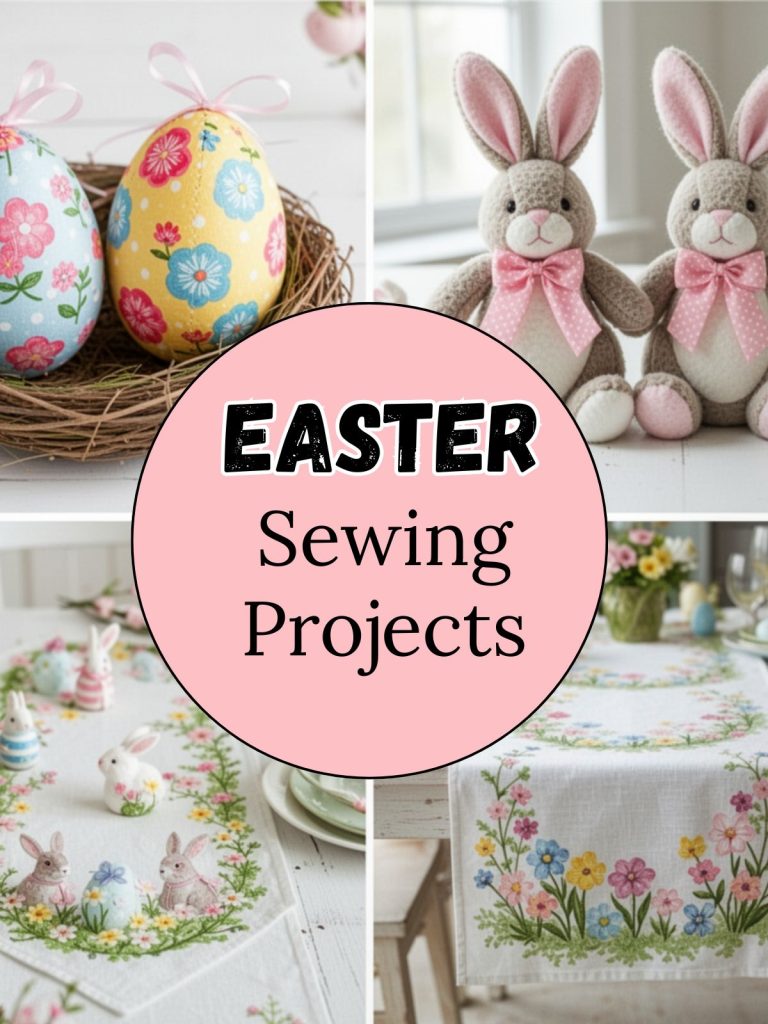
Easter is a beautiful time to refresh your home with soft colors, meaningful details, and handmade charm. Sewing seasonal décor allows you to create pieces that feel special without overwhelming your space with clutter. Whether you love pastel florals, classic gingham, or neutral linen with subtle embroidery, these Easter sewing projects are practical, timeless, and beginner-friendly.

If you enjoy celebrating the season with thoughtful touches, these ideas will help you decorate your home, create sweet gifts, and use up fabric scraps in creative ways. From simple kitchen accents to keepsake-quality décor, these Easter sewing projects are perfect for welcoming spring.

Easter Fabric Ideas

  • Pink Floral Cotton Calico Fabric
  • Easter Bunny Wreaths Fabric
  • Pastel Easter Patterned Patchwork Cotton Fabric
  • Easter Animals Apparel Fabric

Easter Bunny Pillow Covers

Sew envelope-style pillow covers in soft pastel cotton or lightweight linen and add a simple bunny appliqué to the front. This quick project instantly refreshes your living room or bedroom for spring. Choose neutral backgrounds with subtle detailing so the covers remain versatile year after year.

How to Make an Easter Bunny Pillow using Fusible Applique 

Spring Floral Table Runner

A handmade table runner in pastel florals or soft gingham creates a welcoming Easter table. Add light quilting for texture or keep it simple with clean hems. This project is beginner-friendly and makes a big seasonal impact.

Simple Spring Table Setting With DIY Ruffled Table Runner

Reusable Fabric Easter Egg

Create stuffed fabric eggs using colorful cotton prints and a simple curved pattern. Lightly fill them with polyfill and stitch closed for reusable Easter décor. These are perfect for baskets, centerpieces, or children’s egg hunts indoors.
How to make Fabric Eggs

Easter Basket Liners

Sew custom liners to fit woven Easter baskets using cheerful spring fabrics. Add ties or elastic edges to secure the liner in place. Basket liners elevate simple baskets and can be reused each year.

How to Make a Basket Liner for Any Size Basket

Bunny Ear Teething Ring

Sewing a bunny ear teething ring is a sweet and practical baby sewing project that makes a thoughtful handmade gift for Easter or a spring baby shower. The soft fabric “ears” are sewn from cotton or muslin, turned right side out, and tied securely around a smooth wooden ring so they can be removed for washing.

Sew a Bunny Ear Teething Ring

Easter Tea Towels

Transform plain flour sack towels with appliqué eggs, carrots, or bunnies. Simple embroidery stitches add charming handmade detail. These tea towels are practical, giftable, and easy to sew in an afternoon.

This ruffled tea towel tutorial would be so cute with a simple bunny appliqué!

Quilted Easter Placemats

Create quilted placemats in coordinating pastel fabrics for your Easter brunch. Add batting for structure and straight-line quilting for durability. These placemats transition beautifully into general spring décor after the holiday.
Learn How to Sew a Quilted Easter Egg Placemat

Fabric Carrot Garland

Sew small stuffed carrots using orange and green fabric scraps. String them along twine to create a festive garland for a mantel or window. This scrap-friendly project adds playful charm to your décor.

Fabric Scrap Hanging Carrots

Easter Egg Hunt Bags

Make drawstring bags for children to use during Easter egg hunts. Choose durable cotton fabric and reinforce the seams for strength. Personalize each bag with embroidery or appliqué initials for a special touch.
5 Minute Gift Bag

Spring Apron with Easter Detail

Sew a half or full apron in soft floral fabric and add a small bunny or egg appliqué near the pocket. This functional project is perfect for baking Easter treats and hosting brunch. It also makes a thoughtful handmade gift.
How To Sew a Gathered Half Apron 

Bunny Gift Bag

An Easter bunny gift bag sewing tutorial is a fun and beginner-friendly project that adds handmade charm to your holiday celebrations. These reusable fabric gift bags are perfect for holding Easter treats, small toys, or thoughtful surprises and can be brought out year after year as part of your family’s spring traditions.
Adorable Easter Bunny Treat Bag Tutorial

Coasters

Sewing Easter coasters is a quick and practical way to add a touch of spring to your table using pastel fabrics, florals, or playful egg prints. With a layer of batting for absorbency and simple straight-line quilting, these reusable coasters are beginner-friendly and perfect for Easter brunch or seasonal gifting.

How to Sew Coasters

Easter Wall Banner

Design a fabric banner with appliqué letters spelling “Happy Easter” or a simple spring phrase. Hem individual fabric panels and attach them to twine or ribbon for hanging. This project creates a meaningful focal point for your seasonal décor.

Letter Banner Sewing Tutorial

Final Thoughts!

These Easter sewing projects are simple, practical ways to celebrate the beauty of spring. By choosing timeless fabrics and reusable designs, you can create decorations and gifts that feel festive without being excessive. Whether you’re sewing for your home, your children, or thoughtful handmade gifts, these ideas will help you welcome Easter with warmth and creativity.

Handmade

11 Easy Sewing Projects for Beginners

Feb 21, 2026 · Leave a Comment

Sewing is a wonderful way to create practical and beautiful items for your home or as gifts. For beginners, it can feel intimidating to start, but simple, approachable projects help you build confidence while making something useful. These 11 easy sewing projects are perfect for those just starting out—they require minimal skills, use basic materials, and give satisfying results.

Whether you’re looking to organize your home, make personalized gifts, or add charming details to everyday items, these beginner-friendly projects are a great place to start. Each one is simple enough to complete in an afternoon and can be customized with your favorite fabrics and colors.

Handmade Apron

A basic apron is a practical project that teaches you straight seams and simple construction. Choose cotton or linen fabric and add a pocket for extra functionality. It’s perfect for baking, cooking, or crafting, and makes a thoughtful handmade gift.

How to Make an Apron

Pot Holders

Pot holders are a small, manageable project for beginners. Use cotton fabric and a layer of batting, sew a simple square or rectangle, and you have a functional kitchen accessory.

DIY Potholders

Personalized Tote Bag

A simple tote bag with sturdy fabric is easy to sew and highly versatile. Add an interior pocket or a monogram for personalization. Tote bags are practical for groceries, books, or everyday errands and are great for practicing seams and topstitching.

How to Sew a Tote Bag

Fabric Basket

Sew a small fabric basket using a lining and interfacing for structure. This project teaches basic box corners and simple assembly. Use it to organize craft supplies, mail, or small household items.

How to Sew a Fabric Basket from a Fat Quarter

Lavender Sachets

Small sachets filled with dried lavender are an easy and rewarding beginner project. Sew small squares or rectangles, leave a gap to fill them, then hand-stitch or machine-sew the opening closed. These are perfect for drawers, closets, or gifting.

How to Make Lavender Sachets

Table Runner

A simple table runner lets you practice straight-line sewing. Choose coordinating cotton fabrics and a layer of batting. It adds charm to your dining table and is a project you can customize with patterns or appliqué.

Table Runner Tutorial

Zipper Pouch

Sewing a lined zipper pouch teaches beginners how to work with zippers in a small, manageable project. Use fun prints and a coordinating lining for a polished look. These pouches are practical for makeup, sewing supplies, or small essentials.

Easy DIY Zipper Pouches For Beginners

Tea Towels with Appliqué

Transform plain flour sack towels with simple appliqué designs like flowers, hearts, or initials. This project is quick, fun, and allows beginners to practice stitching shapes onto fabric. They’re useful in the kitchen and make lovely handmade gifts.

How to Sew Tea Towels

Applique Tea Towel Sewing Tutorial

Memory Pillow

Sew a simple envelope-style pillow using a favorite fabric, t-shirt, or old garment. This project teaches basic pillow construction while creating a sentimental keepsake. It’s simple, practical, and personal.

How to Make a Memory Pillow Out of a Shirt

Headband

A soft fabric headband is an easy sewing project for beginners. Choose lightweight cotton or knit fabric, sew a few simple seams, and finish the edges. It’s quick, stylish, and functional for everyday wear.

DIY Twist Headband

Reusable Fabric Gift Wrap

Sew fabric squares to use as reusable gift wrap for presents. Hem the edges or add a simple stitched border. This eco-friendly project is beginner-friendly, practical, and can be paired with other small handmade gifts.

Final Thoughts!

These 11 easy sewing projects are perfect for beginners who want to practice basic skills while creating items that are useful and beautiful. Each project builds confidence, teaches simple techniques, and results in a handmade creation you can be proud of.

Handmade

11 Mother’s Day Gifts to Sew That She’ll Truly Love

Feb 21, 2026 · Leave a Comment

Mother’s Day is the perfect opportunity to slow down and create something meaningful with your own two hands. A handmade gift feels thoughtful, personal, and far more special than anything picked up at the last minute. Whether you’re sewing for your mom, grandmother, mother-in-law, or a dear friend, these Mother’s Day sewing projects are practical, beautiful, and beginner-friendly.

From small keepsakes to useful everyday items, these ideas are designed to be both heartfelt and functional. If you’re looking for inspiration, these Mother’s Day gifts to sew will help you create something she’ll treasure.

Handmade Apron

A custom apron sewn in her favorite floral, linen, or classic gingham is both thoughtful and useful. Add a roomy pocket and adjustable ties for comfort. Every time she bakes or cooks, she’ll think of you.

How to Make an Apron

Quilted Pot Holders

Sew a set of quilted pot holders using coordinating cotton fabrics and insulated batting. These are quick to make and easy to personalize with colors she loves. Pair them with a handwritten recipe card for an extra special touch.

DIY Potholders

Personalized Tote Bag

A sturdy tote bag is perfect for groceries, books, or everyday errands. Use durable canvas or cotton and consider adding an interior pocket. Monogramming or simple embroidery makes it uniquely hers.

How to Sew a Tote Bag

Fabric Basket

A lined fabric basket with interfacing for structure is both decorative and functional. She can use it for organizing craft supplies, holding mail, or displaying small plants. Choose neutral tones or soft florals for a timeless look.

How to Sew a Fabric Basket from a Fat Quarter

Lavender Sachets

Small handmade sachets filled with dried lavender make a sweet and simple gift. Tuck them into drawers or place them on a bedside table for a calming scent. This is a perfect scrap-busting sewing project.

How to Make Lavender Sachets

Table Runner

A table runner adds charm to her dining room or kitchen table. Choose fabrics that match her home décor style, whether that’s farmhouse, modern, or traditional.

Table Runner Tutorial

Zipper Pouch

A lined zipper pouch is practical for makeup, travel essentials, or sewing supplies. Use a cheerful print for the exterior and a coordinating lining inside. This small project makes for a practical gift.

Easy DIY Zipper Pouches For Beginners

Tea Towels with Appliqué

Upgrade plain flour sack towels with simple appliqué flowers, hearts, or meaningful words. These handmade kitchen towels are useful and easy to sew in an afternoon. They also make a lovely addition to a gift basket.

How to sew tea towels

Applique Tea Towel Sewing Tutorial

Memory Pillow

Create a memory pillow using fabric from a meaningful garment or keepsake. Sew it into a simple envelope-style cover with a soft insert inside. This sentimental gift can become a cherished heirloom.

How to Make a Memory Pillow Out of a Shirt

Headband

Sew a soft fabric headband using lightweight cotton or knit fabric. This quick project is stylish, comfortable, and great for busy mornings. Choose a print that matches her wardrobe for a thoughtful detail.

DIY Twist Headband

Reusable Fabric Gift Wrap

Sew beautiful fabric squares to use as reusable gift wrap in the style of fabric wrapping traditions. This frugal option can be used again and again and is quite lovely. Pair it with a small handmade item for a double gift!

Final Thoughts!

Handmade Mother’s Day gifts don’t have to be complicated to be meaningful. The time, effort, and care you put into sewing something just for her is what makes it special. Whether you choose a quick afternoon project or a more detailed creation, these Mother’s Day sewing ideas will help you celebrate her in a heartfelt and lasting way.

Handmade

9 Easy Dress Sewing Patterns for Beginners

Feb 21, 2026 · Leave a Comment

Sewing your own dresses is a fun and rewarding way to create wardrobe pieces that fit your style and personality. For beginners, simple patterns with minimal seams, elastic waists, or A-line shapes are perfect for building confidence while achieving beautiful results. These 9 easy dress sewing patterns are beginner-friendly, stylish, and quick to make, allowing you to create versatile pieces for everyday wear or special occasions.

Whether you’re looking for casual everyday dresses, playful spring styles, or quick-to-sew pieces, these patterns are approachable and use fabrics that are easy to handle. Each project helps you practice basic sewing skills while producing garments you’ll love to wear.

1. 5 Minute Cut – One Size Fits All Dress

This versatile dress is designed for speed and simplicity. The pattern is cut in just a few minutes and can be made in one size that works for many body types. Lightweight cotton or jersey fabrics work best, and minimal seams make this an excellent first dress project.

5 Minute Cut – One Size Fits All Dress

2. Easy Cap Sleeve Dress

A cap sleeve dress adds a sweet, feminine touch with minimal construction. The short sleeves are easy to sew and the simple A-line silhouette ensures a comfortable fit. It’s perfect for summer fabrics like cotton, linen, or lightweight chambray.

Easy Cap Sleeve Dress

3. Only 3 Seams Dress

As the name suggests, this dress requires only three seams to complete. Its minimal construction makes it ideal for beginners who want a quick and rewarding project. Soft, drapey fabrics like rayon, cotton blends, or jersey give it a flattering flow.

Only 3 Seams Dress

4. Sleeveless A-line Dress

The sleeveless A-line dress is classic, easy to sew, and works for all seasons. It features a simple bodice and gently flared skirt, requiring basic hemming skills. Lightweight fabrics such as linen or cotton lawn create a clean, comfortable finish.

Sleeveless A-line Dress

5. Ruffled Quarter Sleeve Dress

A quarter sleeve dress with ruffled accents adds charm while remaining beginner-friendly. The sleeves and ruffles can be sewn quickly, giving the dress a playful look. Medium-weight cotton or floral prints are ideal for this style.

Ruffled Quarter Sleeve Dress

6. DIY T-Shirt Dress

A T-shirt dress uses knit fabrics and simple straight seams to create a casual, comfortable garment. It’s perfect for practicing sewing with stretch fabric and creating a relaxed everyday look. Minimal shaping makes it easy to finish in an afternoon.

FYI, it’s called a t-shirt dress because you use a t-shirt as your pattern.

DIY T-Shirt Dress

7. Easy DIY Shirred Spring Dress

Shirring adds texture and stretch to a simple dress, making it flattering without complicated darts or closures. This beginner-friendly pattern often uses elastic thread on the bodice for easy fitting. Lightweight cotton or voile works beautifully for spring styling.

Easy DIY Shirred Spring Dress

8. 2 Seams Dress

A dress that only requires two seams is a perfect first garment for beginners. Its simple construction allows for a quick sew while still creating a stylish look. Use cotton, chambray, or linen for a polished finish.

2 Seams Dress

9. Puff Sleeves Dress

Adding puff sleeves brings a cute, fashionable detail while keeping the construction simple. The bodice and skirt remain easy to assemble, while elastic or gathering creates the puffed effect. Soft, lightweight fabrics give the sleeves nice shape without bulk.

Puff Sleeves Dress

Final Thoughts

These 9 easy dress sewing patterns are ideal for beginners who want to build confidence while making wearable, stylish garments. Each project is simple, quick to sew, and allows you to experiment with fabrics, lengths, and small details. By starting with these beginner-friendly patterns, you can create a versatile handmade wardrobe full of charming, comfortable dresses that suit your everyday style and seasonal occasions.

Handmade

15 Easy Things to Sew for Beginners

Feb 21, 2026 · Leave a Comment

Sewing is a wonderful way to express creativity while making practical and beautiful items for your home, wardrobe, or gifts. For beginners, starting with simple projects helps build confidence and develop essential sewing skills without feeling overwhelmed. Easy projects allow you to enjoy the satisfaction of completing something functional quickly while experimenting with fabrics, colors, and patterns.

Whether you want to organize your home, create personalized gifts, or add a handmade touch to everyday items, sewing is the perfect skill to learn. Starting with beginner-friendly projects teaches you straight seams, hems, and basic construction techniques that form the foundation for more advanced sewing. These projects are designed to be approachable, requiring minimal tools, basic fabrics, and straightforward instructions.

In this post, I’ve compiled 15 easy things to sew that are perfect for beginners. Each idea is practical, creative, and quick to complete, making them ideal for learning while creating useful items. From home décor to accessories, these sewing projects will inspire you to pick up your machine and start stitching today.

1. Cloth Napkins

Reusable fabric napkins are a frugal and easy sewing project. Simply hem the edges of square or rectangle fabric pieces. They’re perfect for daily use or special occasions.

How to Make Cloth Napkins

2. Tea Towels

Sewing tea towels is a simple and practical project that’s perfect for beginners. Start with plain cotton or linen fabric, hem the edges, and you have a functional kitchen accessory that can also be personalized with embroidery or appliqué. Handmade tea towels make thoughtful gifts or add a charming touch to your own kitchen.

How to Sew Tea Towels

3. Pillow Covers

Envelope-style pillow covers are a quick way to refresh your living space. They teach straight seams and finishing techniques while giving you a functional result. Swap fabrics for each season to change the look of your home easily.

DIY Fall Pillow Cover

4. Fabric Coasters

Simple quilted coasters are small, manageable, and perfect for beginners. Layer cotton fabric with batting, quilt lightly, and bind the edges. They make practical additions to your home or thoughtful handmade gifts.

Simple Coasters Tutorial

5. Drawstring Bags

Drawstring bags are easy to sew and useful for storage or gifting. Practice straight seams and basic hems while creating a functional item. They can hold toys, toiletries, or small treats.

Easy Fat Quarter Drawstring Bag Tutorial

6. Apron

A basic apron is both decorative and practical. Sew straight seams, add pockets, and finish with ties. Aprons make perfect gifts for cooks, bakers, or crafters.

How to sew an apron

7. Lavender Sachets

Small sachets filled with dried lavender are quick and satisfying to sew. Use simple square or rectangle pieces, fill with lavender, and stitch closed. These are great for drawers, closets, or gifting.

DIY Lavender Sachet

8. Table Runner

A simple table runner adds charm to your dining table. Use straight seams, coordinating fabrics, and optional light quilting. It’s a beginner-friendly project with a big visual impact.

How to Sew a Table Runner

9. Basket Liner that Fits Any Size Basket

Sewing a basket liner that fits any size basket is a simple and versatile project. By measuring the height and circumference of your basket and adding seam allowances, you can create a custom liner that works perfectly every time. Using a soft, durable fabric with a simple hem, ruffle, or casing ensures the liner stays in place and can be easily removed for washing.

How to Make a Basket Liner for Any Size Basket

10. Bandana

Sewing a bandana is a quick and beginner-friendly project that adds a fun accessory to any outfit. Simply cut a square of fabric, hem the edges, and you have a versatile piece that can be worn around the neck, tied in the hair, or even used as a decorative accessory for pets. Choosing cotton or lightweight fabrics makes it easy to sew and comfortable to wear.

How to Make a Bandana

11. Fabric Bunting

Create cheerful fabric bunting for holidays or everyday décor. Cut triangles or rectangles, hem or sew raw edges, and attach to bias tape or twine. It’s a fun way to practice consistent seam allowances.

Quick 10-Minute Bunting

12. Pot Holders

Quilted pot holders are functional and easy to make. Use two layers of fabric with insulated batting in between. Stitch around the edges and add a loop for hanging.

How to Sew Potholders

13. Pillow Cover

Sewing a pillow cover is a quick and satisfying project that can instantly update your home décor. You can make an envelope-style or simple zippered cover using just a few straight seams. Choosing fun fabrics or seasonal prints allows you to easily change the look of your pillows throughout the year.

DIY Fall Pillow Cover

14. Tote Bag

A simple tote bag is a practical first sewing project. Use cotton, canvas, or linen fabric, and add a simple lining or pocket if you like. Tote bags are versatile, easy to sew, and perfect for carrying groceries, books, or everyday essentials.

How to Sew a Tote Bag

15. Simple Curtains

Sewing simple curtains is a beginner-friendly project that can instantly refresh a room. Measure your window, cut your fabric to size, and hem the edges for a clean finish. Using a basic rod pocket or tab top design keeps the construction easy while creating a polished, functional window covering.

DIY Cabinet Curtains (With Rod Pocket + Ruffle)

Final Thoughts

These 15 easy things to sew are perfect for beginners who want to gain confidence and enjoy quick, satisfying projects. Each one teaches basic techniques while creating useful or decorative items for your home, wardrobe, or gifts. Starting with these approachable projects allows you to build your skills, experiment with fabrics, and create beautiful handmade pieces you’ll be proud of.

Handmade

DIY Cabinet Curtains (With Rod Pocket + Ruffle)

Feb 21, 2026 · Leave a Comment

There’s something so charming about cabinet curtains — they instantly soften a kitchen and add that cozy, old-fashioned touch so many of us love. If you’re looking for an affordable way to refresh your space without replacing cabinets, this simple sewing project makes a beautiful difference. With just a bit of fabric and a tension rod, you can transform open shelving or cabinet doorways in an afternoon. This step-by-step tutorial will walk you through the entire process, even if you’re a beginner seamstress.

Cabinet curtains are also a wonderful solution if you’ve removed cabinet doors for open shelving but still want the option to conceal everyday clutter. I recently removed three cabinet doors to display pretty dishes, but three open shelves were too many so I added a curtain in the middle to hide some necessary clutter. It’s a practical balance between beauty and function and works perfectly for my kitchen.

Best of all, this is beginner-friendly sewing project doesn’t require complicated measurements or advanced techniques. With straight seams and simple folds, you can create something that feels custom and thoughtfully made. Whether your style leans cottage, farmhouse, or vintage-inspired, these little curtains add warmth and personality in the sweetest way.

Equipment & Supplies

  • Sewing machine
  • Fabric (Cotton is my preference because it won’t slip around while you sew)
  • Coordinating thread
  • Scissors
  • Measuring tape
  • Tension rod

Note: this post contains affiliate links.

Step 1: Wash and Dry Your Fabric

Before you measure or cut anything, wash and dry your fabric.

This prevents shrinking after you’ve sewn and hung your curtains. There is nothing more disappointing than perfectly fitted curtains that suddenly become awkwardly short after one wash.

Iron the fabric if necessary after drying so your measurements are accurate.

Step 2: Measure Your Cabinet Opening

You’ll need two measurements:

Height

Measure the height of the cabinet doorway.
Add 5 inches to that number.

(Those extra inches account for hemming and the rod pocket.)

Width

Measure the width of the cabinet doorway.
Then double that number.

Doubling the width gives you fullness so the curtain gathers softly instead of hanging flat and stiff.

Step 3: Cut Your Fabric

Using your measurements:

  • Measure out the adjusted height.
  • Measure out the doubled width.
  • Cut your fabric.

If your fabric pattern has a direction, double-check before cutting so it doesn’t end up upside down when hung.

Step 4: Hem the Sides and Bottom

Now we’ll create clean finished edges.

  1. Fold one side edge under ¼ inch and fold over again. You can pin it or fold it over as you sew.
  2. Sew straight down the folded edge.

Repeat for the bottom and the other side.

Step 5: Create the Rod Pocket

Now for the top.

  1. Fold the top edge down ¼ inch and sew across.
  2. Fold it down again 2 inches.
  3. Sew straight across near the bottom of that fold.

You’ve just created a rod pocket for your tension rod.

Step 6: Add a Soft Ruffle (Optional but Lovely)

If you want that sweet gathered look at the top:

  1. Measure ½ inch down from the top of the rod pocket.
  2. Sew a straight line across the entire width.

When you insert the rod, this creates a small ruffle above the curtain — a subtle detail that adds so much charm.

Step 7: Hang Your Cabinet Curtain

Slide the tension rod through the rod pocket.

Place it inside the cabinet frame and adjust the rod so it fits snugly.

Gently arrange the gathers evenly across the width.

Step back and admire. It instantly softens hard cabinetry and makes the space a bit more lovely!

Fabric Tips

  • Light cotton prints feel cheerful and classic.
  • Linen or linen-blend fabrics give a relaxed, heirloom feel.
  • Ticking stripes add farmhouse charm.
  • Small florals lean cottage-style.

If your kitchen has pale blues, warm wood tones, or beadboard details, cabinet curtains can tie everything together beautifully without a full remodel.

Handmade

11 Free Sewing Tutorials for Beginners

Feb 21, 2026 · Leave a Comment

Learning to sew doesn’t have to be expensive or overwhelming. With a few free sewing tutorials, you can create beautiful and practical items for your home and wardrobe while building confidence with your machine. Simple projects are the perfect way to practice basic techniques like straight seams, hemming, gathering, and measuring.

Free sewing tutorials make it easy to get started without committing to complex patterns or costly materials. Many beginner-friendly projects use simple shapes like rectangles and squares, making them approachable even if you’re brand new to sewing. With just a few tools and some fabric, you can create items that are both useful and charming.

In this post, you’ll find 11 free sewing tutorials that cover everything from home décor to simple garments. Each project is beginner-friendly and practical, helping you build skills while making items you’ll actually use in everyday life.

1. Basket Liner for Any Size Basket

Learning how to sew a basket liner for any size basket is a versatile skill that allows you to customize storage throughout your home. By measuring the height and circumference of your basket and adding seam allowances, you can create a tailored liner that fits perfectly.

This project uses simple straight seams and basic hemming techniques. Add a cute ruffle and you’re good to go!

How to Make a Basket Liner for Any Size Basket

2. Cloth Napkins

Cloth napkins are one of the easiest and most practical sewing projects for beginners. Simply cut squares of cotton or linen fabric and hem the edges for a clean, polished finish.

Reusable napkins are a frugal choice over paper napkins and perfect for everyday meals or special occasions. They also make thoughtful handmade gifts.

How to Make Cloth Napkins

3. Ruffles

Sewing ruffles is a foundational technique that can elevate many sewing projects. By stitching gathering stitches along the edge of fabric and pulling the threads gently, you create soft, decorative gathers.

Ruffles can be added to dresses, curtains, pillow covers, or table linens. Practicing this technique helps you gain confidence with tension control and even distribution of gathers.

How to Sew a Ruffle

4. Simple Curtains

Sewing simple curtains is a beginner-friendly way to refresh a room. Measure your window, cut fabric to size, and hem the sides and bottom for a clean finish.

Adding a rod pocket or tab top keeps construction easy while creating a polished look. Curtains are practical and customizable for any space in your home including cabinets and china hutchs.

How to Sew a Hidden Tab Curtain

5. Tea Towels

Homemade tea towels are both functional and charming. Cut cotton or linen fabric to size and hem all four sides for a simple finish.

You can personalize tea towels with embroidery, appliqué, or decorative stitching. They make excellent gifts and add warmth to your kitchen décor.

How to Sew Tea Towels

6. Pillow Cover

Sewing a pillow cover is a quick project that instantly updates your living space. An envelope-style design requires only a few straight seams and no zippers.

Changing pillow covers seasonally is an easy way to refresh your décor. This project teaches measuring, hemming, and clean seam finishing.

DIY Fall Pillow Cover

7. Blanket

A simple blanket can be sewn using two layers of soft fabric stitched together and turned right side out. Fleece, flannel, or cotton fabrics work beautifully for cozy results. You can also simply finish the edges of a heavier cloth like monk’s cloth or wool.

This project is ideal for beginners because it focuses on straight seams and basic edge finishing. Handmade blankets also make thoughtful gifts for babies or loved ones.

How to Sew a Blanket

8. Tablecloth

Sewing a tablecloth is as simple as measuring your table and hemming a large rectangle of fabric. Choose cotton, linen, or patterned fabric to match your décor style.

A custom tablecloth elevates everyday meals and special gatherings. This project is perfect for practicing long, straight hems.

How to Sew a Tablecloth

9. Dress Without a Pattern

Sewing a dress without a pattern can be surprisingly simple using basic measurements and rectangle shapes. Loose-fitting styles like shift or elastic-waist dresses are especially beginner-friendly.

This tutorial helps you understand garment construction without complicated pattern pieces. It’s a creative and empowering way to start sewing clothing.

How to Sew A Dress without a Pattern

10. Cabinet Curtains

Cabinet curtains are a charming alternative to cabinet doors. Measure the cabinet opening, hem the fabric, and add a simple rod pocket for easy hanging.

This project is perfect for adding cottage-style warmth to kitchens or bathrooms. It uses basic sewing skills and transforms a space quickly.

DIY Cabinet Curtains (With Rod Pocket + Ruffle)

11. Basic Table Runner

A table runner is a simple home décor project made from long rectangles of fabric sewn and hemmed neatly. You can add light quilting, ruffles, lace, or decorative stitching for extra detail.

Table runners are versatile and easy to change seasonally. This beginner-friendly project builds confidence while adding beauty to your dining or coffee table.

How to Sew a Table Runner

Final Thoughts

These 11 free sewing tutorials are perfect for beginners who want to practice essential skills while creating practical and beautiful items. Each project focuses on simple construction techniques that build confidence and provide satisfying results. By starting with these approachable tutorials, you can grow your sewing abilities while filling your home and wardrobe with meaningful handmade pieces.

Handmade

How to Sew a Table Runner

Feb 21, 2026 · Leave a Comment

Learning how to sew a table runner is one of the most satisfying beginner sewing projects you can tackle. It’s practical, beautiful, and instantly transforms your dining room or kitchen table without a huge investment of time or fabric. Whether you love a classic farmhouse look, a soft cottage feel, or something seasonal and festive, a handmade table runner adds warmth and personality to your home.

A table runner is also a wonderful project for building foundational sewing skills. You’ll practice measuring, cutting straight lines, pressing seams, and topstitching—all while creating something you can actually use every day. If you’re new to sewing, this project gives you a polished finish without complicated construction.

Best of all, table runners are incredibly customizable. You can keep things simple with clean hems or add ruffles, tassels, patchwork panels, or quilting for extra charm. Below, you’ll find an easy, step-by-step guide to sewing your own table runner from start to finish.

1. Choose Your Fabric and Supplies

Start by selecting a medium-weight cotton or linen fabric that presses well and lays nicely on the table. Quilting cotton is perfect for beginners because it’s easy to cut and sew, while linen creates a slightly more elevated, timeless look. If your table gets heavy use, choose a durable, washable fabric.

You will need fabric, matching thread, scissors or a rotary cutter, pins or clips, a ruler, and an iron. A sewing machine makes this project faster, but it can also be sewn by hand if needed. Consider whether you want a single-layer runner with hemmed edges or a lined runner with two layers for added structure.

2. Measure

A standard table runner is typically 12 to 16 inches wide, but you can adjust based on your table size and personal preference. For length, many people like the runner to hang 6 to 10 inches over each end.

Determine how wide of a runner you want and add 1 inch for seam allowances. To determine the length, measure the length of your table, than measure down how far you want the runner to hang off, and add 1 inch for seam allowances.

You’ll also need two pieces of fabric cut for the ruffles if you want a ruffle at the end like in the picture. If not you can just hem the end for a nice clean edge or ad a piece of lace. The dimensions for the ruffle I used are 1 1/2 times the width of the table runner by about 6 inches or so length.

3. Cut Your Fabric

Lay your fabric on a flat surface and smooth out any wrinkles. Using your ruler or measuring tape and pencil, measure and mark your desired dimensions carefully before cutting.

Don’t forget to cut out the pieces for your ruffles.

4. Sew the Edges

Starting with the sides (along the length) of the runner, fold over the edge about a 1/4 of an inch and then fold it over again. You can either pin it or fold it over as you sew.

Back stitch the edge and sew it down. Repeat for the other side.

5. Gather and Attach Ruffles

Hem one side of the piece of fabric for the ruffle to keep the edge from fraying.

Sew a long gathering stitch along the other side and gently pull the threads to gather the fabric to fit the size of the end of the table runner.

Once adjusted to fit the end of the table runner, pin the ruffle to the end of the table runner right sides together, and stitch it together.

Zigzag both ends of the ruffle and edge of the table runner together to finish it off and repeat the process to make a ruffle on the other end.

If you need some help with the ruffle, read my post on how to sew ruffles.

If you want to skip the ruffle, but still want the edge to be pretty, you can simply add some lace over a finished edge.

6. Style and Enjoy!

Place the table runner down the center of your table and style with a centerpiece such as candles, greenery, or a simple bowl. You can rotate runners throughout the year to reflect different seasons, holidays, or color schemes in your home.

Final Thoughts

Sewing a table runner is an easy and rewarding project that delivers immediate results. It’s perfect for beginners who want to build confidence and for experienced sewists looking for a quick, satisfying sewing project. With just a small amount of fabric and a little time, you can create something beautiful and practical for your home.

Once you’ve made one, you may find yourself wanting a runner for every season. It’s a simple way to refresh your space and add a handmade touch that feels warm, thoughtful, and uniquely yours.

Handmade

Fresh Milled Sourdough Dinner Rolls

Feb 18, 2026 · Leave a Comment

There is nothing quite like pulling a tray of homemade sourdough rolls from the oven. Golden on the outside, tender on the inside, and full of rich whole-grain flavor, these fresh milled sourdough rolls are perfect for supper, holidays, or everyday meals. Using freshly milled hard white wheat berries gives them a hearty texture while still keeping them soft and pleasant.

This recipe follows the same fermenting process as a traditional sourdough loaf, but instead of baking one large boule, this dough is divided and shaped into individual rolls. Each one rises into a hearty, golden roll with a soft interior and satisfying crust. They’re easy to serve, easy to store, and bring a warm, homemade touch to any table.

Fresh Milled Sourdough Rolls

Fresh Milled Sourdough Rolls

Golden on the outside, tender on the inside, and full of rich whole-grain flavor, these fresh milled flour sourdough rolls are perfect for supper, holidays, or everyday meals.

Prep Time 12 hours
Cook Time 25 minutes
Total Time 12 hours 25 minutes

Ingredients

  • 200 g sourdough starter
  • 800 g hard white wheat berries (milled into flour)
  • 600 g water
  • 2 teaspoons salt

Instructions

    Mill 800 grams of hard white wheat berries into flour, plus 100–200 grams extra to feed your starter.
    In a mixing bowl, combine starter, freshly milled flour, water, and salt. Mix until a scraggly dough forms.
    Cover with a damp towel and rest for 30 minutes.
    Throughout the day, knead gently and perform stretch and folds several times, allowing the dough to rest between each session.
    Once the dough begins to rise, place it into a lined banneton or towel-lined bowl. Cover and refrigerate to long ferment until ready to bake.
    Preheat oven to 375°F.
    Turn dough onto a floured surface and cut into 8 equal pieces.
    Shape each piece into a roll and place on a baking sheet.
    Bake for 25 minutes.
    Cool slightly before serving.

Did you make this recipe?

Please leave a comment on the blog or share a photo on Pinterest

© Naomi Scott

Why Make Sourdough Rolls with Fresh Milled Flour?

Fresh milled flour allows you to use the entire wheat berry, creating a more flavorful and nutrient-dense roll. Hard white wheat berries are ideal for this recipe because they yield a lighter fluffier roll than hard red wheat.

Because the flour hasn’t been sitting on a shelf for months, the nutrients remain more intact, including B vitamins and vitamin E found in the germ. The higher fiber content supports digestion and helps you feel satisfied longer, while the natural oils contribute both flavor and nourishment. Baking with fresh milled flour is a simple way to make everyday bread more wholesome and sustaining for your family.

Ingredients for Fresh Milled Sourdough Rolls

200 grams sourdough starter
800 grams hard white wheat berries
600 grams water
2 teaspoons salt

Equipment Needed

Grain mill
Large mixing bowl
Kitchen scale
Plastic wrap
Tea towel
Baking sheet

How to Make Fresh Milled Flour Sourdough Rolls

Begin by milling the hard white wheat berries into fresh flour. Do not forget to mill an extra 100–200 grams of wheat to feed your starter.

In a large mixing bowl, combine 200 grams of sourdough starter, 800 grams of freshly milled flour, 600 grams of water, and 2 teaspoons of salt. Mix together until it forms a scraggly dough.

Cover the bowl with a damp towel and allow the dough to rest for about 30 minutes so the flour can absorb the water.

Throughout the day, knead the dough gently a few times and perform stretch and folds. Let it rest between each session. Repeat this process of working with the dough and letting it rest until it begins to rise.

Once the dough starts to rise, cover with plastic wrap and place it in the refrigerator to long ferment overnight or until you are ready to bake.

How to Shape and Bake Sourdough Rolls

When you are ready to bake, preheat your oven to 375°F.

Remove the dough from the refrigerator and turn it out onto a lightly floured surface. Using a bench scraper or sharp knife, cut the dough into 8 equal pieces.

Shape each piece into a roll by gently tucking the edges underneath to create surface tension. Place the shaped rolls onto a baking sheet, leaving space between each one.

Bake for 25 minutes, until the rolls are baked through and lightly golden.

Allow the rolls to cool slightly before serving. They are delicious warm slathered with butter or used for sandwiches and sliders.

Tips for Baking Sourdough Rolls

If you want softer crusts, you can brush the tops lightly with melted butter after baking. For a slightly crispier finish, place a small oven-safe dish of water on the bottom rack while baking to create gentle steam.

These rolls store well at room temperature for a day or two and can be refrigerated up to a week or frozen for longer storage.

Save it for later!

Fresh Milled Flour

Fresh Milled Sourdough Bread

Feb 18, 2026 · Leave a Comment

There is something deeply satisfying about baking sourdough bread with fresh milled flour. Milling your own hard white wheat berries creates a loaf that is wholesome, flavorful, and rich with natural goodness. The aroma alone is worth the effort, and the texture is hearty yet tender with a beautifully crisp crust.

This fresh milled sourdough bread recipe is simple, traditional, and perfect for weekly baking rhythms. With a long ferment in the refrigerator, you can bake when it suits your schedule at any time of the day while enjoying improved flavor and digestibility.

Fresh Milled Sourdough Bread

Fresh Milled Sourdough Bread

There is something deeply satisfying about baking sourdough bread with fresh milled flour. Milling your own hard white wheat berries creates a loaf that is wholesome, flavorful, and rich with natural goodness.

Prep Time 12 hours
Cook Time 55 minutes
Additional Time 1 hour
Total Time 13 hours 55 minutes

Ingredients

  • 200 g sourdough starter
  • 800 g hard white wheat berries
  • 600 g water
  • 2 teaspoons salt

Instructions

    Mill 800 grams of hard white wheat berries into flour, plus 100–200 grams extra to feed your starter.

    In a mixing bowl, combine starter, freshly milled flour, water, and salt. Mix until a scraggly dough forms.

    Cover with a damp towel and rest for 30 minutes.After 30 minutes or so, play with the dough. Knead it a few times and stretch and fold it 3-4 times if it will stretch.

    Throughout the day, knead gently and perform stretch and folds several times, allowing the dough to rest between each session.

    Once the dough begins to rise, place it into a lined baneton or towel-lined bowl. Cover and refrigerate to long ferment until ready to bake.

    Preheat a Dutch oven in the oven at 430°F.

    Turn dough onto parchment paper and score the top.
    Carefully place dough into the hot Dutch oven using the parchment paper. Cover with lid.
    Bake covered for 30 minutes, then uncovered for 25 minutes.

    Cool on a wire rack for at least 1 hour before slicing.

Notes

Prepare multiple loaves at once and store them in the refrigerator to long ferment. Bake one loaf at a time as needed throughout the week.

Did you make this recipe?

Please leave a comment on the blog or share a photo on Pinterest

© Naomi Scott

Why Use Fresh Milled Flour for Sourdough Bread?

Fresh milled flour contains the full wheat berry that has not been crushed in any way — bran, germ, and endosperm — making it fresher, more nutritious, and flavorful than store-bought flour. Hard white wheat berries produce a lighter, softer whole wheat loaf than hard red wheat or soft wheat berries.

When paired with an active sourdough starter and a slow fermentation process, fresh milled flour produces a rustic loaf with a subtle sour flavor and beautiful oven spring.

Ingredients for Fresh Milled Flour Sourdough Bread

  • 200 grams sourdough starter
  • 800 grams hard white wheat berries
  • 600 grams water
  • 2 teaspoons salt

Equipment Needed

  • Cast iron Dutch oven
  • Large mixing bowl
  • Kitchen scale
  • Bowl cover or plastic wrap
  • Tea towel
  • Banneton basket (or bowl lined with a towel)
  • Wire rack

How to Make Sourdough Bread with Fresh Milled Flour

Begin by milling the hard white wheat berries into fresh flour. Do not forget to mill an extra 100–200 grams of wheat to feed your starter for future baking.

In a large mixing bowl, combine 200 grams of sourdough starter, 800 grams of freshly milled flour, 600 grams of water, and 2 teaspoons of salt. Mix everything together until it forms a scraggly dough.

Cover the bowl with a damp towel and allow the dough to rest for about 30 minutes or so. This resting period helps the flour absorb the water and begins gluten development.

Throughout the day, give your dough some attention. Knead it gently a few times and perform stretch and folds. Then let it rest again. Repeat this process of handling the dough and letting it rest until it begins to rise.

Once the dough starts to rise, place it into a lined banneton basket or a bowl lined with a tea towel if you do not have a banneton. Cover with plastic wrap and place it in the fridge to long ferment until you are ready to bake.

How to Bake Fresh Milled Sourdough Bread

When you are ready to bake, place your cast iron Dutch oven into the oven and preheat to 430°F. Allow the Dutch oven to heat fully with the oven.

Once preheated, carefully remove the Dutch oven from the oven. Remove the dough from the refrigerator and gently turn it out onto a large piece of parchment paper.

Score the top of the dough with a lame or razor blade to prevent it from bursting in uneven places as it bakes.

Carefully remove the lid from the hot Dutch oven. Using the parchment paper, lift the dough and lower it into the pot. Cover with the lid.

Bake covered for 30 minutes. Then remove the lid and continue baking for another 25 minutes

Once it has finished baking, transfer the bread to a wire rack. Allow it to cool for at least 1 hour before slicing. If you cannot resist a slice of devious warm bread, try to wait at least 30 minutes to allow the interior to set properly.

Tips for Weekly Sourdough Baking

Reduce the number of times you bake each week by preparing multiple loaves at once. Shape several loaves and place them in the refrigerator to long ferment. When you are ready for fresh bread, simply pull one out and bake it.

This rhythm makes fresh milled sourdough bread a manageable and sustainable part of your weekly routine.

Save for later!

Fresh Milled Flour

How to Make Steamed Potatoes in the Instant Pot

Feb 17, 2026 · Leave a Comment

Steamed potatoes are one of the simplest, most practical staples you can keep on hand. Whether you’re planning mashed potatoes for supper or prepping ingredients for meals later in the week, learning how to steam potatoes in the Instant Pot makes the process nearly effortless. With just potatoes and water, you’ll have tender potatoes ready to serve or store in no time.

This method is great for batch cooking. A full 5-pound bag can be prepared at once, giving you a versatile base for multiple meals.

If you don’t want a lot of potatoes on hand, this method works just as well for that, too. I have used this method to steam just a few potatoes as well as many as I could fit into my instant pot. No matter how many potatoes you are cooking, the method stays the same.

Steamed Potatoes

Steamed Potatoes

Steamed potatoes are one of the simplest, most practical staples you can keep on hand. Whether you’re planning mashed potatoes for supper or prepping ingredients for meals later in the week, learning how to steam potatoes in the Instant Pot makes the process nearly effortless.

Prep Time 5 minutes
Cook Time 18 minutes
Additional Time 40 minutes
Total Time 1 hour 3 minutes

Ingredients

  • Potatoes (however many you need)
  • 2–3 cups of water (enough to create 1–2 inches of water in the pot)

Instructions

    Rinse the potatoes off under running water.
    Place the potatoes in the Instant Pot.
    Add 1–2 inches of water (about 2–3 cups).
    Secure the lid and ensure the pressure valve is set to pressurize.
    Cook on high pressure for 18 minutes.
    Allow the pressure to release naturally for about 20 minutes.
    Carefully open the lid and remove the potatoes. Serve or cool and store for later use.

Notes

Cook extra potatoes to use in other meals throughout the week such as potato salad, casseroles, mashed potatoes, and more.

Save the potato water to use as vegetable broth for gravy or soups to add extra flavor.

Did you make this recipe?

Please leave a comment on the blog or share a photo on Pinterest

© Naomi Scott

Why Steam Potatoes in the Instant Pot?

Steaming potatoes in the Instant Pot is faster than oven baking and more hands-off than boiling on the stovetop. Pressure cooking ensures even tenderness without waterlogging the potatoes. The natural pressure release allows them to finish cooking gently, resulting in perfectly soft interiors.

It’s also an excellent way to meal prep. Once cooked, potatoes can be stored in the refrigerator and quickly transformed into a variety of dishes.

Ingredients for Steamed Potatoes

potatoes, however many you need
2–3 cups of water

How to Steam Potatoes in the Instant Pot

Begin by thoroughly washing the potatoes. There’s no need to peel them unless your recipe requires it.

Place the washed potatoes directly into the Instant Pot. Add 1–2 inches of water to the bottom of the pot, which will equal approximately 2–3 cups depending

Cover the Instant Pot with the lid and make sure the pressure valve is set to pressurize. Set the pot to cook for 18 minutes on high pressure.

Once the cooking time is complete, allow the pressure to release naturally. This will take about 20 minutes. After the pressure has fully released, carefully open the lid and remove the potatoes.

They are now ready to serve with butter and salt or cool for later use.

How to Use Steamed Potatoes Throughout the Week

One of the best homemaking habits is cooking extra with intention. Steamed potatoes store well in the refrigerator and can be repurposed into many different meals.

Use them to make creamy mashed potatoes, hearty potato salad, comforting casseroles, skillet breakfasts, or add them to soups and stews. Having pre-cooked potatoes on hand significantly cuts down dinner meal prep on busy days.

Save the Potato Water for Extra Flavor

Do not discard the cooking liquid. The potato water contains starch and subtle flavor that can be used as a simple vegetable broth.

Save it to make gravy, add depth to soups, or incorporate into savory sauces. It’s a frugal and flavorful way to stretch your ingredients further.

Save for later!

Recipes

How to Make Oat Groats in the Instant Pot (Overnight Method)

Feb 17, 2026 · Leave a Comment

If you love hearty, nourishing breakfasts that practically make themselves, learning how to make oat groats in the Instant Pot will change your mornings. Oat groats are the whole, unprocessed oat kernel, making them one of the most wholesome and filling ways to enjoy oats. They have a pleasantly chewy texture, a rich nutty flavor, and keep you satisfied for hours.

This overnight method allows you to prepare everything the evening before so breakfast is warm and ready when you wake up. It’s simple, hands-off, and perfect for busy families who want a from-scratch breakfast that practically makes it’s self.

Oat Groats Recipe

Oat Groats Recipe

If you love hearty, nourishing breakfasts that practically make themselves, learning how to make oat groats in the Instant Pot will change your mornings. Oat groats are the whole, unprocessed oat kernel, making them one of the most wholesome and filling ways to enjoy oats. They have a pleasantly chewy texture, a rich nutty flavor, and keep you satisfied for hours.

Prep Time 5 minutes
Cook Time 20 minutes
Additional Time 8 hours
Total Time 8 hours 25 minutes

Ingredients

  • 1/4 cup oat groats per adult
  • 1/8 cup oat groats per young child
  • Water (enough to cover oat groats by 1–2 inches)

Instructions

    1. The night before, measure 1/4 cup oat groats per adult (or 1/8 cup per young child) into the Instant Pot insert.
    2.Add enough water to leave 1–2 inches of water above the oat groats.
    3. Seal the lid and ensure the pressure valve is set to pressurize.
    4. Set the Instant Pot to pressure cook for 20 minutes.
    5. Set the delay timer for 6–8 hours.
    6. In the morning, allow natural pressure release.
    Stir and serve warm with desired toppings.

Notes

Adjust quantities according to the number of servings needed. Store leftovers in the refrigerator and reheat with a splash of milk or water.

Did you make this recipe?

Please leave a comment on the blog or share a photo on Pinterest

© Naomi Scott

What Are Oat Groats?

Oat groats are the whole oat kernel before they are rolled or cut in any way. Unlike rolled oats or quick oats, oat groats remain intact, which gives them a chewier texture and deeper flavor. Because they are minimally processed, they take longer to cook—but the texture and nourishment are well worth it.

If you enjoy hearty grains like wheat berries or brown rice, you’ll likely love oat groats. They’re especially comforting in colder months and pair beautifully with butter, cream, maple syrup, or fresh fruit.

I’ve come to realize that starting with oat groats for any oat recipe is the best way to consume oats for me personally. It’s the only way for my blood sugar not to spike after eating them. Ther is something about rolled oats or quick oats that are pre-processed that aren’t as nourishing and too easy to process for my digestion. 

I also buy organic oats from Azure which also helps. If you want to try a small amount out, you can also find some on Amazon.

Note: this post contains affiliate links which means that if you click on my link and make any purchase, I earn a small commission. Thank you to all those who do this consistently as a way to support the blog!

Why Make Oat Groats in the Instant Pot?

The Instant Pot makes cooking whole grains effortless. Traditionally, oat groats can take close to an hour on the stovetop. With pressure cooking and a delay timer, you can let them soak and cook overnight and wake up to a warm breakfast waiting for you.

Using the delay start function allows the oat groats to soak as they wait to cook, which can improve texture and digestibility. It also eliminates the morning rush—no stirring, no watching a pot, no last-minute scrambling.

Equipment

Stainless Steel Strainer

Instant Pot

Water Filter Pitcher

How to Measure Oat Groats Per Person

Here’s my rule of thumb for serving sizes:

  • Measure 1/4 cup dry oat groats per adult
  • Measure 1/8 cup dry oat groats per young child

This makes a hearty portion once cooked, as oat groats expand significantly.

Simply adjust the total amount based on how many people you are serving.

How to Make Oat Groats in the Instant Pot Overnight

Making oat groats overnight is wonderfully simple. The key is measuring properly and setting your delay timer correctly.

The night before, measure out 1/4 cup of oat groats per person (or 1/8 cup per young child) directly into the Instant Pot insert. Once measured, cover the oat groats with enough water to leave 1–2 inches of water above the grains. This ensures they cook evenly and remain tender.

Next, seal the Instant Pot lid and make sure the pressure valve is set to pressurize. Set the pot to pressure cook for 20 minutes. Then set the delay timer for 6–8 hours so the oat groats cook overnight and finish before the time you wake up. That way you don’t wake up and then have to wait for the pressure to release naturally before you can serve it up.

In the morning, allow the pressure to release naturally. Open the lid, stir gently, and serve warm.

Tips for Perfect Oat Groats

For creamier oat groats, you can stir in a splash of milk or cream after cooking. A pat of butter and a sprinkle of salt enhance the nutty flavor beautifully. 

Leftovers store well in the refrigerator for up to four days. Simply reheat with a little milk or water to loosen the texture.

Serving Ideas for Oat Groats

Oat groats are incredibly versatile. Try topping them with:

  • Butter and maple syrup
  • Brown sugar and cinnamon
  • Fresh berries and cream
  • Chopped apples and toasted pecans
  • A spoonful of peanut butter

Save it for later!

Recipes

  • « Go to Previous Page
  • Go to page 1
  • Go to page 2
  • Go to page 3
  • Go to page 4
  • Go to page 5
  • Go to page 6
  • Interim pages omitted …
  • Go to page 11
  • Go to Next Page »

Primary Sidebar

New Posts

Whipped Cream Recipe

Homemade whipped cream is one of those simple touches that can elevate even the most basic dessert. Light, airy, it comes together in minutes and tastes far better than anything store-bought. Whether you’re topping fresh berries, pies, or a cup of coffee, this classic recipe is a staple worth keeping on hand. Prep Time: 5 minutesTotal…

Read On →

Cucumber Sandwiches

Cucumber sandwiches are a simple, refreshing option that feels both light and timeless. With a creamy, savory filling and crisp cucumber, they’re perfect for warm days, quick lunches, or a charming addition to a simple gathering. This easy recipe comes together in minutes using pantry staples, making it a lovely go-to when you want something…

Read On →

A Simple Summer Routine for Homemakers

Summer is a season that invites warmth, sunshine, and a slower pace in the home. For homemakers, it’s the perfect opportunity to simplify daily routines while still keeping the household organized, welcoming, and peaceful. A simple summer routine allows you to enjoy long, sunny days, spend more time outdoors, and embrace the small joys of everyday life…

Read On →

Simple Summer Homemaking Rhythms

Summer is a season that invites warmth, light, and a slower pace in the home. The long days and sunny afternoons make it the perfect time to enjoy simple routines that keep the household running smoothly without feeling overwhelming. By establishing simple summer homemaking rhythms, you can maintain a clean, organized, and welcoming home while still…

Read On →

How to Make a Pillow Cover

Want to make a simple pillow cover? Here’s a pattern for a DIY pillow cover that has a simple border around it. If you are looking to sew a pillow cover for any size pillow then this is for you. This is a basic pattern that is made to fit any throw pillow that you…

Read On →

How to Create a Spring Homemaking Binder

Spring is a natural time to refresh not only your home but also your homemaking systems. As the weather warms and the days grow longer, many homemakers feel motivated to clean, organize, and prepare their homes for a new season. One simple way to stay organized during this busy time is by creating a spring…

Read On →

Old-Fashioned Homemaker’s Spring Checklist

Spring has long been a season of renewal in the home. As the days grow longer and the weather begins to warm, many homemakers feel the natural desire to refresh routines, enjoy lighter meals, and bring a little beauty indoors. An old-fashioned spring checklist doesn’t have to be complicated. Instead, it focuses on simple, meaningful…

Read On →

Sourdough Discard Naan

Sourdough discard naan is a simple and delicious way to use up extra sourdough starter. These soft, fluffy flatbreads cook quickly in a skillet and have a light tangy flavor from the discard. They’re perfect for serving alongside your favorite meals, dipping into sauces, or using as an easy wrap for lunch or dinner. Ingredients…

Read On →

  • About
  • Homemaking
  • Healthy Living
  • Free Resource Library
  • Home

Copyright © 2026 The Virtuous Home on the Seasoned Pro Theme