
Sourdough focaccia made with fresh milled flour is one of the most flavorful and nourishing breads you can bake at home. The combination of active sourdough starter and freshly ground whole grain creates a rich, slightly nutty flavor with a soft, airy crumb and crisp golden edges. If you love baking from scratch and milling your own flour, this recipe is a beautiful way to bring those traditional skills together.

This sourdough focaccia recipe uses a stand mixer for ease or stretch and folds for convenience, making it simple enough for busy days while still delivering artisan-quality results. Whether served alongside soup, sliced for sandwiches, or dipped in olive oil and balsamic vinegar, this bread is sure to become a favorite in your kitchen.
Sourdough Focaccia with Fresh Mille Flour
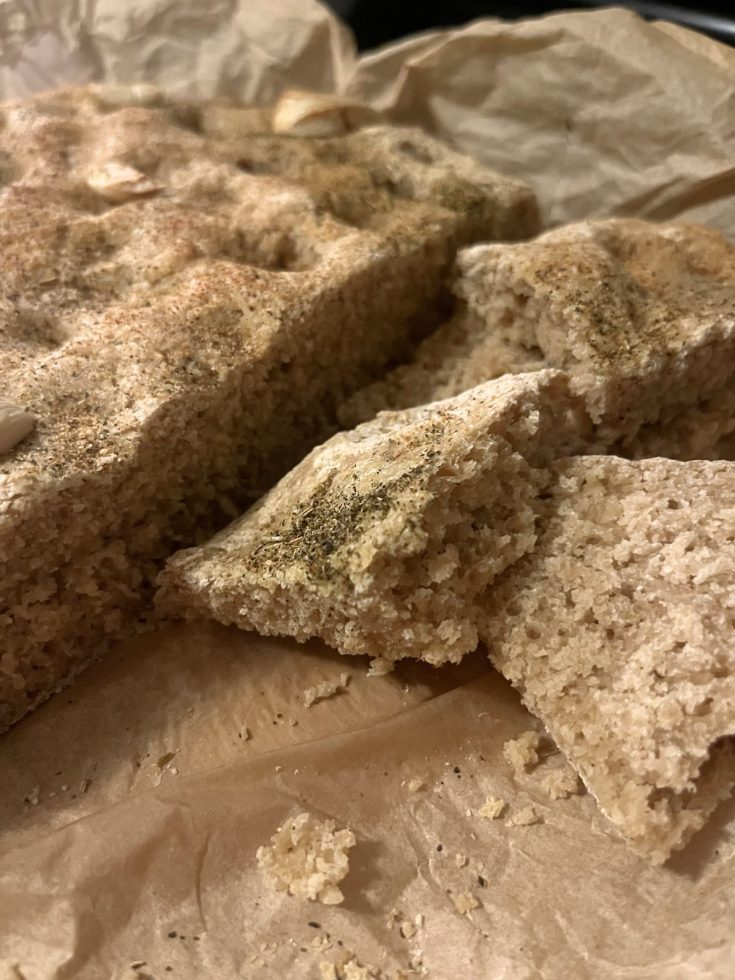
Sourdough focaccia made with fresh milled flour is one of the most flavorful and nourishing breads you can bake at home. The combination of active sourdough starter and freshly ground whole grain creates a rich, slightly nutty flavor with a soft, airy crumb and crisp golden edges.
Ingredients
- 4 1/3c Flour - 500g hard white wheat
- 1/3c - 300g water
- 1t - 6g salt
- 1/3c - 100g Sourdough Starter
Instructions
With a stand mixer:
Mix the Dough
Attach the dough hook to your stand mixer. In the bowl, combine active sourdough starter, warm water, and olive oil. Add the flour and salt, then mix on low speed until a shaggy dough forms and no dry flour remains.
Knead the Dough
Increase the mixer speed to medium-low and knead for 15-20 minutes until you can stretch a piece of dough enough to see light through without it breaking.
Without a stand mixer:
Mix the Dough
In a large bowl, combine sourdough starter, water, and olive oil. Add flour and salt, then mix until a shaggy dough forms and no dry flour remains. Cover the bowl and let the dough rest for 20–30 minutes to hydrate.
Stretch and Folds
Over the next 1–2 hours, perform a series of stretch and folds every 30 minutes. To do this, grab one side of the dough, stretch it upward, and fold it over itself. Rotate the bowl and repeat 3–4 times per session until the dough becomes smoother and more elastic.
Bulk Fermentation
Cover. with plastic wrap or a wet towel and let it rise at room temperature for 6–8 hours, You can place it in the oven with light on to recreate a warm environment during the cooler months.
Prepare the Pan
Generously coat a 9x13-inch baking pan with olive oil. Turn the dough out into the pan. Carefully stretch it slightly toward the edges. You don't need to fill the pan.
Second Rise
Cover the pan and allow the dough to rise for 1–3 hours, until it spreads fully to the edges and becomes noticeably puffy. For deeper flavor, you may refrigerate the dough overnight at this stage and bring it back to room temperature before baking.
Dimple and Top
Preheat the oven to 425°F. Drizzle olive oil over the top of the dough. Using your fingertips, press deeply into the dough to create dimples across the surface. Sprinkle with salt and add toppings such as rosemary, garlic, cherry tomatoes, or olives.
Bake
Bake for 20–25 minutes, or until the focaccia is golden brown with crisp edges. The top should be lightly browned and the bottom firm and golden.
Cool and Serve
Remove the focaccia from the pan and cool on a wire rack for at least 15 minutes before slicing. Serve alongside soups, salads, or as a sandwich bread.
Why Use Fresh Milled Flour for Focaccia
Fresh milled flour adds depth of flavor that store-bought flour simply cannot match. Because the bran and germ remain intact, the flour retains natural oils and nutrients that contribute to both taste and texture. The result is focaccia with a wholesome character and a beautiful golden crumb.
When baking with fresh milled flour, you may notice the dough absorbs more water than conventional flour. This is completely normal and helps create the soft interior that makes focaccia so irresistible. Allowing the dough enough time to hydrate and ferment fully is key to achieving the best texture.
For this recipe, hard white wheat works especially well. It provides structure for a good rise while keeping the flavor mild and family-friendly.
Equipment:
- Stand mixer
- Grain Mill
- Spatula
- Measuring cups and spoons – Copper, anyone?!
- Parchment paper
- Casserole Dish
- Wire rack
Ingredients for Sourdough Focaccia
You will need…
- sourdough starter – active or discard
- filtered water
- hard white wheat berries
- olive oil
- salt.
Using high-quality olive oil enhances both flavor and texture. Since focaccia relies heavily on olive oil for its signature crisp edges and tender crumb, do not be shy with it.
Optional Toppings
Classic toppings include flaky sea salt and fresh rosemary. You can also add sliced cherry tomatoes, caramelized onions, minced garlic, or olives for variety.
Instructions:
Mill the Wheat Berries
Weigh out the hard white wheat berries and mill in your grain mill.
How to Make Sourdough Focaccia with Stand Mixer
Mixing the Dough
Attach the dough hook to your stand mixer. In the mixer bowl, combine active sourdough starter, warm water, and olive oil. Add the freshly milled flour and salt, then mix on low speed until a shaggy dough forms and no dry flour remains.
Because fresh milled flour absorbs more moisture, the dough may feel slightly stickier than typical white flour dough. This is normal and will improve as gluten develops.
Kneading
Increase the mixer speed to medium-low and knead for 5 to 8 minutes. The dough should become smooth, elastic, and slightly tacky, pulling away from the sides of the bowl while still clinging lightly to the bottom.
Transfer the dough to a lightly oiled bowl and cover. Allow it to rise at room temperature for 4 to 8 hours, depending on the strength of your starter and the temperature of your kitchen. The dough should appear puffy, airy, and slightly jiggly with visible bubbles.
How to Make Sourdough Focaccia with Stretch and Folds
Mix the Dough
In a large bowl, combine sourdough starter, water, and olive oil. Add flour and salt, then mix until a shaggy dough forms and no dry flour remains. Cover the bowl and let the dough rest for 20–30 minutes to hydrate.
Stretch and Folds
Over the next 1–2 hours, perform a series of stretch and folds every 30 minutes. To do this, grab one side of the dough, stretch it upward, and fold it over itself. Rotate the bowl and repeat 3–4 times per session until the dough becomes smoother and more elastic.
Bulk Fermentation
Cover. with plastic wrap or a wet towel and let it rise at room temperature for 6–8 hours, You can place it in the oven with light on to recreate a warm environment during the cooler months.
Shaping and Second Rise
Generously coat a 9×13-inch baking pan with olive oil. Gently turn the dough into the pan and flip it once to coat both sides in oil. Carefully stretch it toward the edges, being patient if it resists and allowing it to rest before stretching further.
Cover the pan and let the dough rise again for 1 to 3 hours, until it spreads fully to the edges and looks noticeably puffy. For deeper sourdough flavor, you can refrigerate the dough overnight at this stage and bake the next day after bringing it back to room temperature.
Dimpling and Topping
Preheat your oven to 425°F. Drizzle olive oil generously over the top of the dough. Using your fingertips, press firmly into the dough to create deep dimples across the entire surface.
Sprinkle with flaky salt and add your desired toppings. The dimples help hold olive oil and toppings in place while creating the signature focaccia texture.
Baking the Focaccia
Bake for 20 to 25 minutes, or until the focaccia is golden brown on top with crisp edges. The bottom should be firm and lightly browned.
Remove the bread from the pan and allow it to cool on a wire rack for at least 15 minutes before slicing. This resting time helps set the crumb and improves texture.
Tips for Success with Fresh Milled Flour
Hydration is key when working with fresh milled flour. If the dough feels stiff, add small amounts of water until it reaches a soft, slightly sticky consistency. Proper hydration ensures a light and airy crumb.
Do not rush fermentation. Fresh milled flour benefits from a full bulk rise to soften the bran and develop flavor. If your kitchen is cool, allow extra time for the dough to become properly puffy.
Finally, use plenty of olive oil. It not only adds flavor but also creates the crisp, golden crust that makes focaccia so satisfying.
Serving Ideas
Sourdough focaccia pairs beautifully with soups, salads, and pasta dishes. It also makes excellent sandwich bread when sliced horizontally.
Leftovers can be toasted the next day or used for croutons. The flavor deepens over time, making it just as enjoyable on the second day.
Final Thoughts
Sourdough focaccia with fresh milled flour is a wonderful way to combine traditional baking skills with wholesome ingredients. The nutty flavor of freshly ground grain and the tang of sourdough starter create a bread that feels both rustic and refined.
If you are new to baking with fresh milled flour, this recipe is a perfect place to start. With a stand mixer and a little patience, you can create a golden, airy focaccia that brings warmth and nourishment to your table.
Leave a Reply