
Meal planning is one of the most powerful tools a homemaker can use to simplify life at home. Instead of scrambling to figure out dinner every evening, a meal plan gives you clarity, saves time, reduces grocery costs, and makes feeding your family far less stressful.
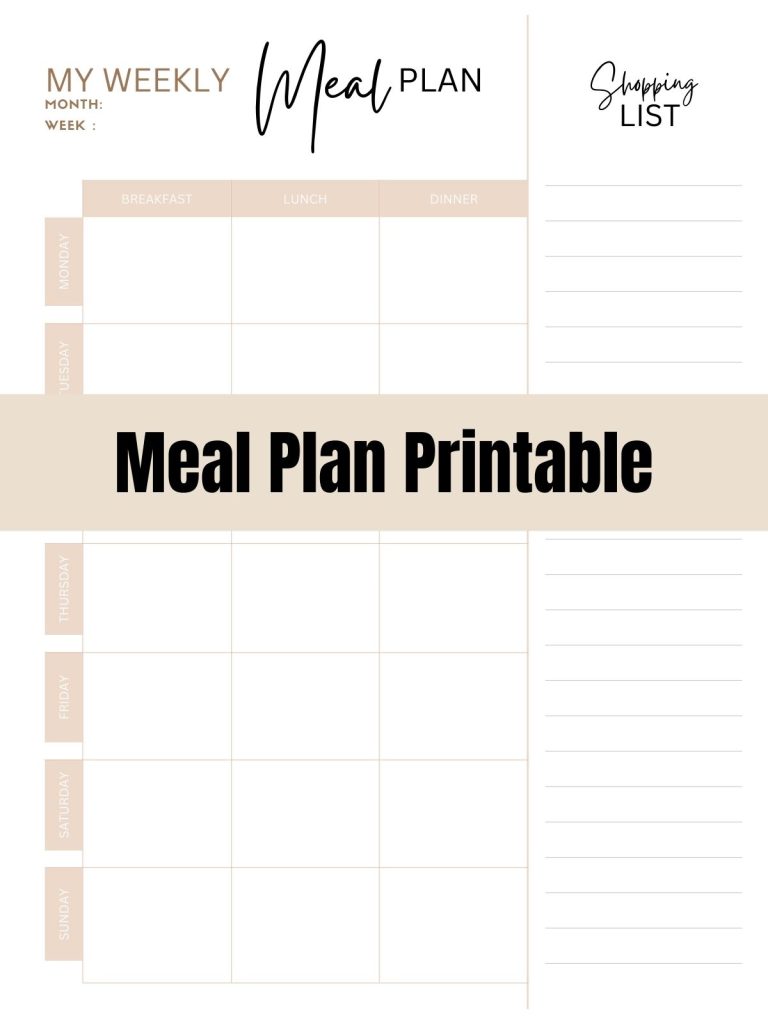
If you’ve ever stood in front of the fridge at 5 p.m. wondering what to cook, learning how to meal plan can completely change your routine. With a simple system, you can plan meals that fit your family, your schedule, and your budget.
Why Meal Planning Matters
Meal planning is not about perfection. It’s about removing daily decision fatigue and giving your week a little structure.
When you plan meals ahead of time, you can:
- Save money on groceries
- Reduce food waste
- Avoid last-minute takeout
- Make healthier meals for your family
- Spend less time thinking about dinner
Instead of making the same decision every day, you make it once at the beginning of the week.
Step 1: Choose a Meal Planning Day
The first step to successful meal planning is setting aside time each week to do it. Many homemakers choose Saturday or Sunday so they can grocery shop before the new week begins.
During this time you will:
- Plan meals
- Check your pantry and fridge
- Write your grocery list
This process usually takes about 15–20 minutes once you get used to it.
Step 2: Check What You Already Have
Before planning new meals, look through your refrigerator, freezer, and pantry.
Ask yourself:
- What meat do I already have?
- What vegetables need to be used soon?
- Are there leftovers that can become another meal?
Planning meals around food you already have saves money and reduces waste.
Step 3: Choose Simple Family Meals
Meal planning works best when you keep meals simple. Choose recipes your family already enjoys and rotate them throughout the month.
A balanced meal plan might include:
- Chicken dinners
- Pasta dishes
- Soup or slow cooker meals
- Simple casseroles
- Leftover nights
You do not need a brand-new recipe every night. Repeating meals actually makes planning easier.
Example weekly meal plan:
Monday: Chicken stir fry with rice
Tuesday: Tacos
Wednesday: Pasta with garlic olive oil sauce
Thursday: Baked salmon and vegetables
Friday: Homemade pizza
Saturday: Soup and bread
Sunday: Leftovers or simple sandwiches
Simple meals are easier to cook and easier to shop for.
Step 4: Write a Grocery List
Once your meals are planned, write your grocery list based on the ingredients you need.
Organize your list by category to make shopping faster:
- Produce
- Meat
- Dairy
- Pantry items
- Frozen foods
A clear list helps you avoid impulse purchases and stay within your grocery budget.
Step 5: Prep What You Can Ahead of Time
Meal planning becomes even easier when you prep a few ingredients after grocery shopping.
You might:
- Wash and chop vegetables
- Marinate meat
- Cook a batch of rice or grains
- Prepare sauces or dressings
Even small preparation steps can make cooking during the week much faster.
Step 6: Stay Flexible
Life with a family is rarely predictable. Some days you may not feel like cooking what you planned, and that is okay.
Meal plans should be flexible.
You can swap meals around based on your energy level, schedule, or leftover ingredients. The goal is not to follow the plan perfectly but to give yourself a helpful guide.
Step 7: Build a List of Go-To Meals
Over time, keep a list of meals your family enjoys. This makes future meal planning even easier.
Your list might include:
- Chicken and rice bowls
- Sourdough pizza night
- Pasta with garlic olive oil sauce
- Slow cooker chili
- Breakfast for dinner
Having 15–20 reliable meals makes planning almost automatic.
Tips for Making Meal Planning Easier
Start Small
If planning a full week of meals feels overwhelming, start with just three or four dinners. This small step still reduces stress while helping you build the habit of planning ahead. As meal planning becomes more comfortable, you can gradually expand your plan to include the whole week.
Repeat Favorite Meals
You don’t need new recipes every week. In fact, repeating meals your family already enjoys makes meal planning much easier. Rotating familiar dinners saves time, simplifies grocery shopping, and ensures that everyone looks forward to the meals you prepare.
Keep a Running Grocery List
Instead of trying to remember everything you need when it’s time to shop, keep a grocery list going throughout the week. Whenever you run out of an item or notice something getting low, add it to the list right away. This habit makes grocery shopping faster and prevents forgotten ingredients.
Plan an Easy Meal Night
Choose one night each week for a very simple meal. This might be leftovers, sandwiches, breakfast for dinner, or a quick soup. Having an easy meal night gives you breathing room during busy weeks and keeps your routine flexible.
Match Meals to Your Schedule
Some days are busier than others, so plan meals accordingly. Save quick or slow cooker meals for busy evenings, and choose slightly more involved recipes for days when you have more time at home.
Something that really helps me is having set meals for Sundays. Sundays are super busy so I rely heavily on the repetition and familiarity of the same meals. This helps the day go smoother because the family also knows what we are having and they are usually pretty excited about it.
Matching your meals to your schedule helps prevent stress and last-minute changes.
Final Thoughts!
Learning how to meal plan is one of the simplest ways to reduce stress in your home. With a little preparation each week, you can spend less time worrying about dinner and more time enjoying meals with your family.
A simple plan brings structure to your kitchen and peace to your evenings.
If you want help organizing your routines, planning meals, and managing your home more smoothly, the Homemaking Planner Bundle includes two helpful ebooks plus printable planners designed to make homemaking simpler and more organized.
Save it for later…
Leave a Reply